




403
Sorry!!
Error! We're sorry, but the page you were looking for doesn't exist.

Binghatti's Mercedes-Benz Project Signals Shift In Dubai Luxury Housing
(MENAFN- The Arabian Post)
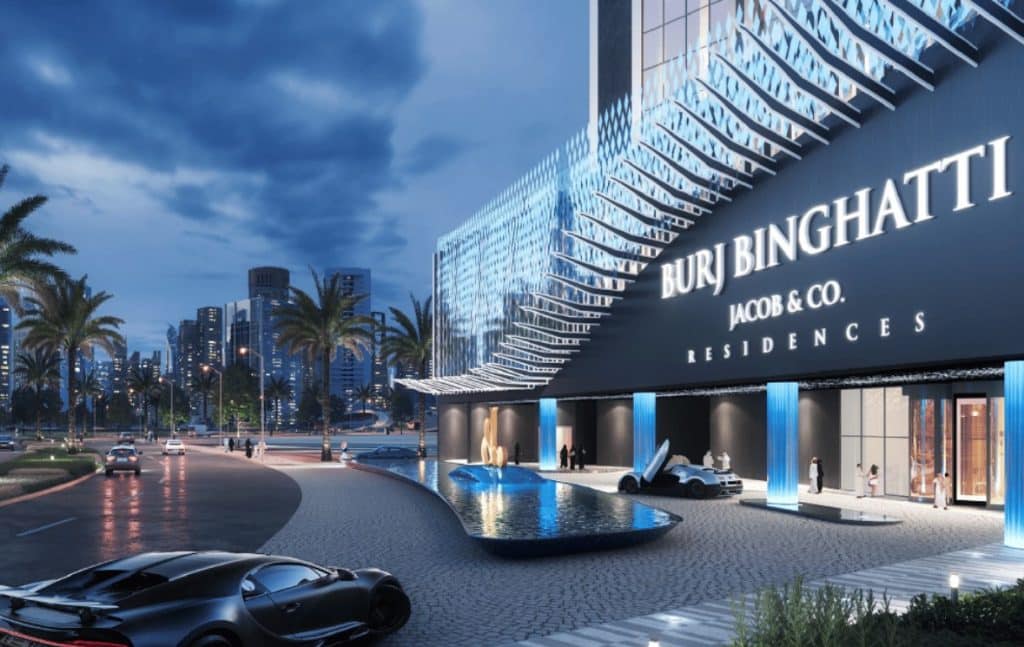
Dubai-based developer Binghatti Properties has unveiled a Mercedes-Benz-branded residential mega project near Meydan in Nad Al Sheba, a move that highlights the growing pull of branded residences as a premium asset class within the emirate's property market. The scheme, launched in partnership with Mercedes-Benz, reflects a broader recalibration in buyer preferences towards design-led, globally recognisable labels that promise both lifestyle cachet and investment appeal.
Valued at about 30 billion UAE dirhams, Mercedes-Benz Places Binghatti City is planned as a cluster of 12 residential towers with a combined built-up area of roughly 10 million square feet, delivering more than 13,000 homes. Construction is scheduled over three and a half years, with the developer positioning the project to attract end-users seeking long-term residences as well as investors targeting rental yields and capital appreciation.
Luxury branding reshapes Dubai's housing market is how the developer's chairman characterised the launch, pointing to a shift that goes beyond aesthetics. Branded residential projects in the emirate have moved from niche offerings to mainstream high-end developments, often commanding price premiums compared with non-branded peers. Industry participants note that such projects tend to draw international buyers who value consistency of design, service standards and the reassurance that comes with globally recognised names.
The location near Meydan in Nad Al Sheba places the development within a fast-evolving corridor that has seen increased infrastructure spending and improved connectivity to central business districts. Proximity to major road networks and leisure destinations has made the area attractive for large-scale residential communities, particularly those targeting higher-income households.
Binghatti has built a reputation for architectural experimentation and rapid project execution, and the Mercedes-Benz partnership adds a new dimension to its portfolio. Design elements are expected to draw on the automotive brand's signature aesthetics, integrating materials, forms and smart-home technologies associated with luxury mobility into residential living. Developers across Dubai have increasingly leaned on such cross-industry collaborations to differentiate products in a competitive market.
See also Saudi crude shipments signal supply expansionMarket data indicate that branded residences have expanded at a faster pace than the broader luxury segment, supported by steady demand from overseas buyers in Europe, Asia and the Middle East. Analysts observe that these buyers often view branded homes as a hedge against market volatility, given their perceived resilience during cyclical downturns and their appeal in the short-term rental market.
The project's scale also underscores confidence in sustained demand despite global economic uncertainty. Dubai's residential market has benefited from population growth, business inflows and regulatory measures that have enhanced transparency and investor protection. These factors have encouraged developers to commit to multi-billion-dirham schemes with extended delivery timelines.
Pricing details for Mercedes-Benz Places Binghatti City have not been fully disclosed, though comparable branded developments in Dubai typically command premiums ranging from 20 to 40 per cent over non-branded equivalents, depending on location and amenities. Such premiums are often justified by developers through enhanced services, concierge offerings and long-term maintenance standards aligned with brand expectations.
The project also reflects a maturing relationship between global brands and property developers, where licensing agreements extend beyond naming rights to encompass design oversight and lifestyle positioning. For automotive brands, real estate ventures offer a way to translate brand identity into new revenue streams while deepening engagement with affluent consumers.
Urban planners note that the concentration of large branded projects raises questions about infrastructure capacity and community integration, particularly in emerging districts. Developers and authorities have responded by coordinating on transport links, public spaces and sustainability features, aiming to balance growth with liveability.
See also UAE overhauls capital market laws to boost regulatory strengthFor investors, the appeal lies not only in potential returns but also in liquidity. Branded residences in Dubai have shown relatively strong resale activity, aided by international marketing networks and the global reach of partner brands. End-users, meanwhile, are drawn to the promise of curated living environments that align with global luxury standards.
Notice an issue? Arabian Post strives to deliver the most accurate and reliable information to its readers. If you believe you have identified an error or inconsistency in this article, please don't hesitate to contact our editorial team at editor[at]thearabianpost[dot]com. We are committed to promptly addressing any concerns and ensuring the highest level of journalistic integrity.

Legal Disclaimer:
MENAFN provides the
information “as is” without warranty of any kind. We do not accept
any responsibility or liability for the accuracy, content, images,
videos, licenses, completeness, legality, or reliability of the information
contained in this article. If you have any complaints or copyright
issues related to this article, kindly contact the provider above.
Most popular stories
Market Research

More Story






Comments
No comment