




403
Sorry!!
Error! We're sorry, but the page you were looking for doesn't exist.
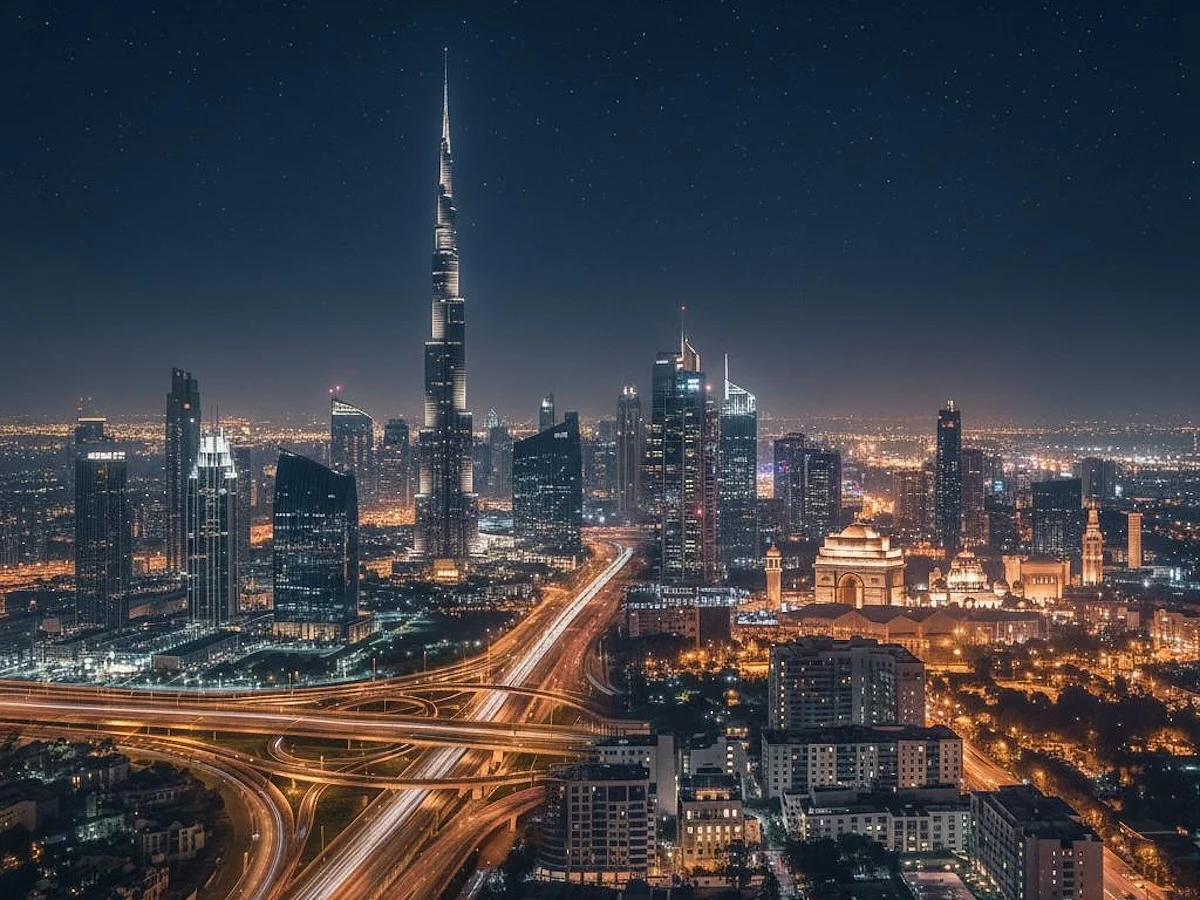
How The Concept Of Wellness Is Reshaping Dubai Real Estate
(MENAFN- Khaleej Times)
Dubai's real estate market is entering a new phase where wellness, sustainability and quality of life are shaping buying decisions just as much as prestige or returns.
As global investors and end-users become more discerning, low-density neighbourhoods with green spaces, walkable layouts and community-focused planning are emerging as the true drivers of long-term value.
Recommended For You India man arrested for trying to derail Heera Group probe that affected UAE investorsData from the Dubai Land Department underlines the strength of the market. In the first half of 2025, Dubai attracted around 94,700 investors, representing a 26 per cent increase compared to the same period last year. These investors completed more than 91,000 residential transactions valued at Dh262.1 billion, marking a 36.4 per cent year-on-year rise in transaction value. The figures reflect confidence not only in Dubai as a global property destination, but also in the type of developments gaining traction.
A recent analysis by Emirati developer Amaal points to a clear trend: neighbourhoods that combine wellness-oriented amenities, abundant green space and low-density planning are dominating high-value residential sales, particularly homes priced above Dh10 million. Five districts, in particular, stand out as shaping the UAE's wellness-first property landscape.
Meydan in Nad Al Sheba has quietly become one of Dubai's most lifestyle-driven locations. Its proximity to Downtown Dubai is matched by a distinctly calmer environment defined by landscaped parks, open green corridors and walkable streets. Residents benefit from access to equestrian facilities and sports venues, reinforcing its appeal as a health-focused community rather than a purely urban one. Apartment prices in Meydan climbed to about Dh1,543 per square foot in the third quarter of 2025, reflecting sustained interest. With more than 70 per cent of residential transactions now taking place off-plan, buyer confidence is clearly favouring districts designed for long-term liveability.
Mohammed Bin Rashid City is another standout, blending urban accessibility with a strong emphasis on family-oriented, green living. Central parks, pedestrian-friendly streets and landscaped surroundings are integrated with luxury villas and townhouses, creating a balance between space and connectivity. The district continues to feature prominently in high-value transactions, particularly for large-format homes, reinforcing the premium investors place on wellness-driven master planning close to Downtown Dubai.
Dubai Hills Estate has firmly established itself as a benchmark for suburban wellness. Anchored by a vast central park and golf course, the community offers jogging tracks, tree-lined streets, schools and retail within a self-contained, walkable environment. This integration of daily convenience with outdoor living has translated into strong demand from families and long-term residents. Rental occupancy reached around 86.5 per cent in the first half of 2025, underlining its appeal as a stable, community-focused neighbourhood.
ven traditionally luxury-led destinations are being redefined through a wellness lens.
Palm Jumeirah, long known for exclusivity, continues to attract buyers not just for status but for lifestyle. Waterfront promenades, private beaches and landscaped outdoor spaces support an active, outdoor way of life. Limited new supply has reinforced its long-term value, while its blend of leisure, recreation and privacy saw it lead Dubai's ultra-luxury segment, recording the highest number of homes sold above $10 million in the second quarter of 2025.
At the very top end, Emirates Hills remains Dubai's most exclusive green villa enclave. Its low-density layout, expansive gardens, private pools and access to golf courses deliver a level of tranquillity rarely found in a major city. Ultra-luxury villas here achieved prices of around Dh4,929 per square foot in the first half of 2025, reflecting enduring demand for privacy, space and wellness alongside urban connectivity.
As more than 61,800 residential units remain under construction across Dubai in 2025, the market's direction is becoming increasingly clear, property analysts note.“Developments that prioritise green infrastructure, walkability and holistic living are set to outperform. In a city once defined by spectacle and scale, wellness-led communities are now shaping the next chapter of its property story.”

Legal Disclaimer:
MENAFN provides the
information “as is” without warranty of any kind. We do not accept
any responsibility or liability for the accuracy, content, images,
videos, licenses, completeness, legality, or reliability of the information
contained in this article. If you have any complaints or copyright
issues related to this article, kindly contact the provider above.
Most popular stories
Market Research

More Story







Comments
No comment