




403
Sorry!!
Error! We're sorry, but the page you were looking for doesn't exist.
7 Reasons To Stay Out Of Atlanta's Most Dangerous Zip Code 30314
(MENAFN- Budget and the Bees)
Atlanta is a world-class city known for its rich history, diverse culture, and Southern hospitality. Most visitors fall in love with the vibrant energy of the BeltLine or the historic charm of the Fox Theatre. However, like any major metropolis, the city has pockets where safety is a genuine concern that requires awareness beyond typical travel smarts.
Real estate listings and tourist brochures often gloss over the stark realities of specific neighborhoods. Zip code 30314, which encompasses historic areas like Vine City, English Avenue, and parts of what local's call“The Bluff,” consistently ranks as one of the most challenging areas in Atlanta regarding crime and safety. While dedicated community leaders and nonprofits are working tirelessly to revitalize these streets, the current data suggests that visitors and those unfamiliar with the terrain should exercise extreme caution.
Here are seven fact-checked reasons why 30314 requires a higher level of vigilance than other parts of the city.
1. Violent Crime Rates Are Significantly Higher Than AverageThe most pressing concern in this zip code is the frequency of violent offenses. Crime statistics for 30314 consistently show rates of aggravated assault, robbery, and homicide that far exceed the national average and the averages of neighboring Atlanta districts. Unlike some areas where crime is confined to specific late-night hours, incidents here can occur unpredictably throughout the day.
For a visitor unfamiliar with the streets, the margin for error is slim. Turning down the wrong block can put you in a vulnerable position instantly. Navigation apps often prioritize the fastest route without accounting for safety, potentially guiding drivers through high-risk corridors to avoid highway traffic. It is crucial to vet your route manually before you start driving to ensure you stay on main arterials.
2. Property Crime Is a Persistent ThreatWhile physical safety is the primary concern, the risk to your property is just as significant. The sheer volume of property crimes in 30314 is staggering. Car break-ins are not just occasional misfortunes here; they are a daily reality for many residents. Thieves in the area are often opportunistic and move quickly, smashing windows for loose change, bags, or electronics left in plain view.
The threat extends beyond simple theft from vehicles. The area sees a high incidence of catalytic converter thefts and carjackings. Homeowners and renters also face higher burdens, often paying significantly more for insurance premiums due to the zip code's risk profile. Living here usually requires investing in robust security systems, bars on windows, and gated parking, adding a hidden financial cost to the relatively lower housing prices.
3. High Call Volume Strains Emergency ResponseIn high-crime zones, the demand on emergency services is relentless. The Atlanta Police Department works hard to cover the city, but the sheer volume of 911 calls originating from Zone 1, which covers 30314, can lead to systemic delays. When resources are stretched thin by multiple priority calls happening simultaneously, response times for lower-priority incidents inevitably slow down.
This delay is a critical factor to consider for anyone looking to move to the area. In a crisis, every second counts. The reality of waiting longer for police or medical assistance during peak hours is a serious risk that potential residents must weigh heavily. It is not just about the presence of crime, but the capacity of the system to respond to it effectively when you need help.
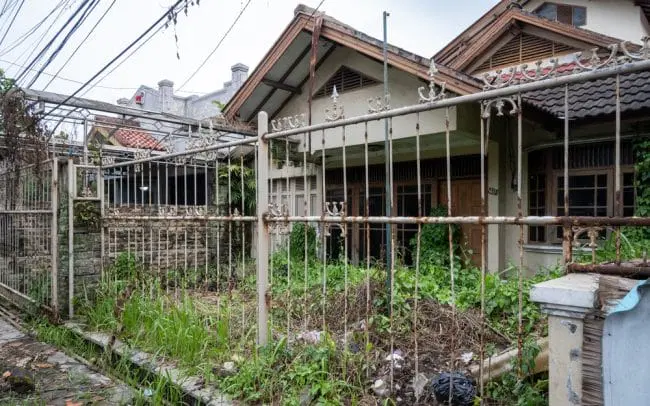
4. The Cycle of Vacant and Abandoned PropertiesOne of the most visible indicators of the challenges in 30314 is the density of vacant and boarded-up structures. Vine City and English Avenue have struggled for decades with blight. These abandoned homes are more than just eyesores; they create dangerous blind spots in the community. Vacant properties frequently become havens for illicit activities, including drug use and squatting.
These empty structures reduce the“defensible space” of a neighborhood. When a street is lined with empty houses, there are fewer neighbors watching out for one another and fewer witnesses if a crime occurs. Revitalization efforts are slowly changing the landscape, but until the density of blight is significantly reduced, these properties remain magnets for trouble that spill over into the streets.
5. Economic Disparities Reduce Natural SurveillanceSafety is often tied to economic vitality. Zip code 30314 faces severe economic hardships, including high poverty rates and a lack of commercial development. In thriving neighborhoods, busy shops, cafes, and restaurants create“eyes on the street.” This natural surveillance deters criminals who do not want to be seen by casual shoppers or business owners.
In contrast, 30314 is largely a commercial desert. The lack of active businesses means streets can be desolate, especially after dark. Without the protective layer of foot traffic and well-lit storefronts, the environment becomes more conducive to criminal activity. This structural economic issue makes it difficult to improve safety solely through policing.
6. Historical and Current Gang ActivityThe area has a long-documented history of gang activity that persists today. Law enforcement data and community reports indicate that disputes over territory and drug distribution often center around specific blocks within this zip code. Unlike random opportunistic crime, gang violence can result in crossfire incidents where innocent bystanders are caught in the middle.
Community organizations and local pastors frequently discuss the risks associated with these conflicts. For an outsider, it is impossible to know which corners are currently disputed territory. Walking through these neighborhoods involves a level of risk that simply does not exist in Midtown or Buckhead. The potential for violence here is organized and entrenched, making it much harder to avoid through simple awareness.
7. Local Insight Points to AvoidancePerhaps the most telling indicator of safety is the advice of longtime Atlanta residents. If you ask a local where to stay or buy a home, they will almost universally steer you away from the interior of 30314. This warning system is based on decades of lived experience and local news reports. It is not about stigma; it is about a realistic assessment of danger.
Locals want visitors to have a positive experience in Atlanta. They direct tourists to safer districts because they know the risks of the Bluff are real. Ignoring this local wisdom is one of the biggest mistakes a newcomer can make. When the people who know the city best tell you to be careful, it is wise to listen to them.
Situational Awareness Is Your Best DefenseAtlanta is an incredible place with much to offer but navigating it safely requires knowledge. Understanding the realities of zip code 30314 allows you to make smart, informed choices. Until substantial changes occur, it is reasonable to exercise extreme caution and stick to the well-traveled, tourist-friendly areas of the city.
Do you live in Atlanta? Share your safety tips for visitors in the comments below.

Legal Disclaimer:
MENAFN provides the
information “as is” without warranty of any kind. We do not accept
any responsibility or liability for the accuracy, content, images,
videos, licenses, completeness, legality, or reliability of the information
contained in this article. If you have any complaints or copyright
issues related to this article, kindly contact the provider above.
Most popular stories
Market Research

More Story





Comments
No comment