



403
Sorry!!
Error! We're sorry, but the page you were looking for doesn't exist.

Taiwan Weighs US Resolve After Trump Rhetoric On Maduro
(MENAFN- The Arabian Post)
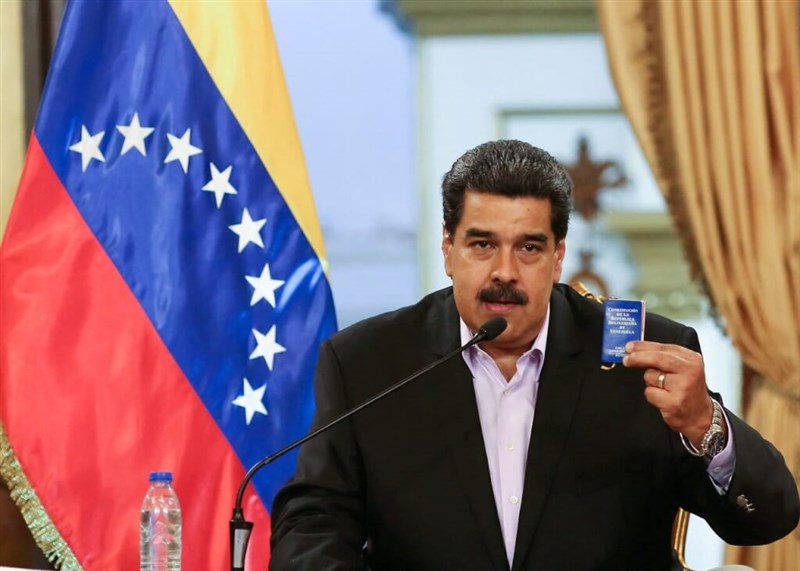
Taiwanese security officials and lawmakers have been assessing the implications of Donald Trump's hardline language on Venezuela's Nicolás Maduro, viewing it as a signal of how a future Trump administration might project power abroad and deter coercive moves by Beijing, even as they privately acknowledge that no arrest of the Venezuelan leader has taken place. The discussion reflects Taipei's constant effort to read Washington's intentions amid growing pressure from China across the Taiwan Strait.
Public comments and private briefings in Taipei over the past week have focused on Trump's repeated assertions that the United States should be prepared to hold authoritarian leaders personally accountable through sanctions, indictments and forceful diplomacy. While those remarks were aimed at Maduro, they have been interpreted in Taiwan as a broader message about US willingness to act beyond statements of concern. Officials familiar with the deliberations say the emphasis is less about Venezuela itself and more about the precedent of targeting leaders accused of undermining democratic norms.
The perception matters for Taiwan because deterrence against Beijing relies heavily on the credibility of US commitments. China has increased military pressure through large-scale drills around the island, frequent air and naval patrols, and a steady stream of political messaging asserting sovereignty claims. Against that backdrop, any sign that Washington is prepared to escalate consequences for leaders seen as defying international norms is scrutinised closely in Taipei.
Trump, the presumptive Republican nominee for the White House, has long portrayed himself as willing to use economic and legal tools aggressively. During his presidency, his administration imposed sweeping sanctions on Venezuela, recognised opposition figure Juan Guaidó as interim president, and pursued criminal cases against senior figures in the Maduro government on narcotics and corruption charges. Maduro himself has not been arrested, remains in Caracas, and continues to exercise control over state institutions with backing from the military. Taiwanese officials stress that their assessment is based on the pattern of US behaviour rather than any single event.
See also Japan firms warned over China supply chain exposureOne senior security official said the takeaway for Taiwan was that Washington under Trump“signals a readiness to personalise accountability”, which Beijing's leadership would notice even if the contexts differ. Another official cautioned that rhetoric does not always translate into sustained policy, noting that US actions toward China involve far higher risks than those toward Venezuela.
Beijing has dismissed comparisons between its position and that of Caracas, arguing that Taiwan is an internal matter. Yet analysts in Taipei say symbolism plays a role in deterrence. The image of the United States pursuing leaders it deems illegitimate reinforces the idea that power asymmetries do not guarantee immunity, particularly when combined with alliances and legal mechanisms.
The debate in Taiwan also reflects uncertainty about how Trump would approach China if returned to office. His record includes a mix of confrontational trade measures, sharp criticism of Beijing, and transactional diplomacy. Supporters argue that unpredictability strengthens deterrence by keeping adversaries off balance. Critics counter that inconsistency could weaken coordination with allies, a pillar of Taiwan's security.
Within Taiwan's government, officials emphasise that deterrence depends on concrete capabilities rather than perceptions alone. The island has accelerated defence reforms, extended conscription periods, and invested in asymmetric warfare systems designed to raise the cost of any attack. These efforts are framed as complementary to, not substitutes for, US support. The Maduro discussion, officials say, does not alter defence planning but informs strategic communication.
Opposition lawmakers have used the episode to press the government for clarity on contingency planning. Some argue that relying too heavily on assumptions about US intervention is risky, regardless of who occupies the White House. Others maintain that signalling alignment with Washington remains essential to discourage Beijing from miscalculating.
See also Soybeans slip yet secure rare yearly riseInternational relations scholars note that comparisons between Venezuela and China have limits. Venezuela is economically isolated and diplomatically marginalised, whereas China is deeply embedded in global trade and institutions. Measures applied to Caracas cannot be replicated wholesale against Beijing without severe global repercussions. Still, scholars say the principle of holding leaders personally responsible resonates in policy debates.
Notice an issue? Arabian Post strives to deliver the most accurate and reliable information to its readers. If you believe you have identified an error or inconsistency in this article, please don't hesitate to contact our editorial team at editor[at]thearabianpost[dot]com. We are committed to promptly addressing any concerns and ensuring the highest level of journalistic integrity.

Legal Disclaimer:
MENAFN provides the
information “as is” without warranty of any kind. We do not accept
any responsibility or liability for the accuracy, content, images,
videos, licenses, completeness, legality, or reliability of the information
contained in this article. If you have any complaints or copyright
issues related to this article, kindly contact the provider above.
Most popular stories
Market Research

More Story


Comments
No comment