






403
Sorry!!
Error! We're sorry, but the page you were looking for doesn't exist.
Gold To $4,900, Oil To $50S: Goldman's Big 2026 Trade Call
(MENAFN- Khaleej Times)
Goldman Sachs has drawn a bold line through global commodity markets for 2026: buy gold aggressively and sell oil.
In its latest Commodities Outlook, led by Daan Struyven, the bank argues that the world is entering a period of extreme divergence driven by two forces it calls the“Power Race” and“Supply Waves.” Together, they point to a structural bull market in precious and strategic metals, and a prolonged squeeze on energy prices.
Recommended For YouThe Power Race is shorthand for intensifying competition between the US and China over artificial intelligence, energy security and geopolitical influence. That contest, Goldman argues, is metals-heavy by nature. Data centres, electrification, military re-armament and grid upgrades all require vast quantities of gold, copper and other strategic materials. Supply Waves, by contrast, describe what is happening in energy: years of investment are finally delivering new barrels, molecules and tonnes into markets that no longer need them.
The result has already been visible in 2025. Gold surged to repeated record highs while oil struggled to sustain rallies. Goldman's view is that this is not a temporary divergence but the early innings of a multi-year trade.
Gold sits at the centre of the call. Goldman describes it as its single favourite long commodity and forecasts prices rising to $4,900 an ounce by December 2026. The core driver is official sector demand.
Central banks are expected to buy around 70 tonnes of gold per month next year, roughly four times the average pace seen before 2022. That estimate aligns with broader trends flagged by the World Gold Council, which has reported annual central-bank purchases running near or above 1,000 tonnes in recent years, led by emerging markets seeking to diversify away from the US dollar.
What makes the gold call more striking is the lack of retail participation. Goldman estimates that gold exchange-traded funds account for just 0.17 per cent of US private portfolio assets. In other words, even after a historic rally, gold ownership remains far from crowded. With geopolitical risk elevated, real yields vulnerable to policy easing and reserve managers still buying, Goldman sees little standing in the way of much higher prices.
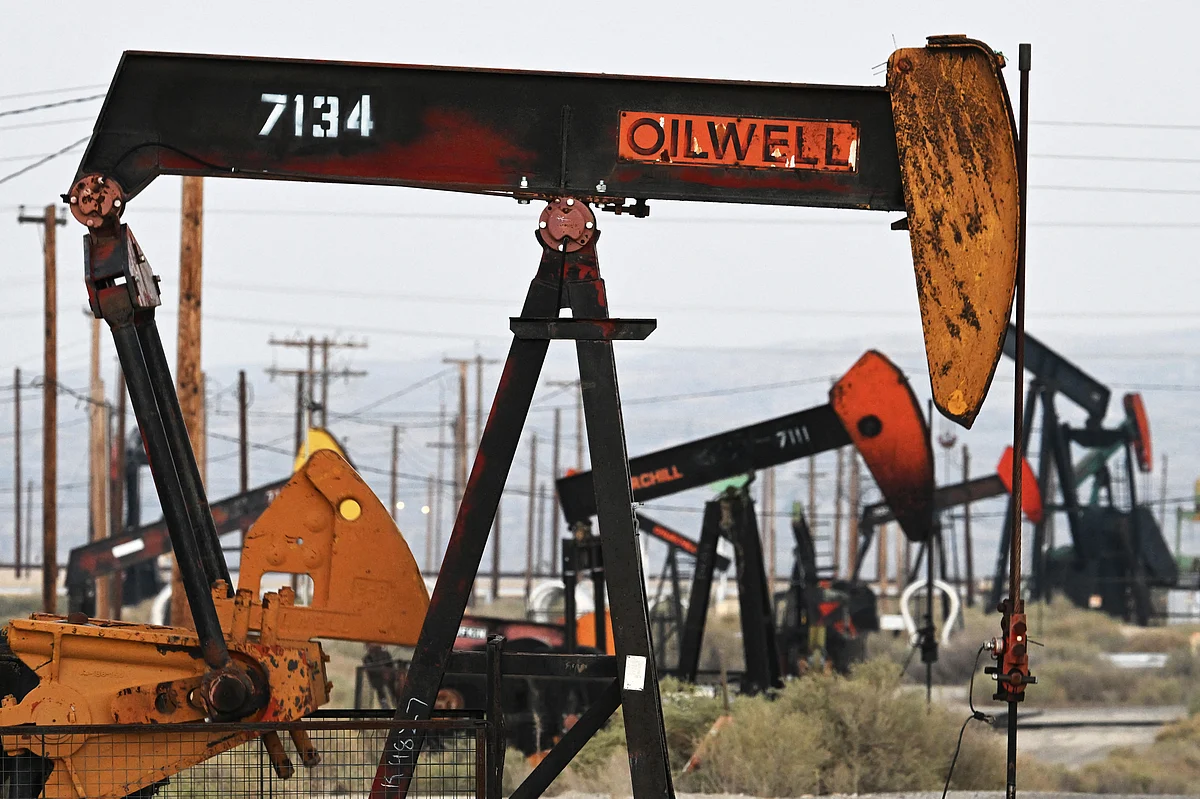
Oil sits on the opposite side of the ledger. Goldman expects Brent crude to average just $56 a barrel in 2026, with WTI around $52, well below current spot levels. The bank argues that the market is already drowning in supply. US production remains resilient, non-Opec output continues to grow and years of investment discipline are now giving way to volume. Unless Opec+ delivers deep and sustained cuts, or there are major geopolitical disruptions involving producers such as Russia or Iran, inventory builds are likely to cap prices.
Similar warnings have been echoed by the International Energy Agency, which has repeatedly highlighted surplus risks in the second half of the decade.
Copper occupies a middle ground. After a powerful run, Goldman expects prices to consolidate around $11,400 a tonne through 2026. That pause, it says, should not be mistaken for a trend reversal. Copper remains Goldman's favourite industrial metal over the long run, underpinned by data-centre construction, electrification and grid expansion.
Any move by China to increase strategic stockpiling would only reinforce the floor under prices.
Battery metals tell a very different story. Goldman urges investors to avoid lithium and nickel, warning that China's push to secure supply for the technology race is flooding the market. Heavy investment in overseas projects, particularly in Africa and Indonesia, is bringing new supply online regardless of price signals. Goldman sees lithium prices falling a further 25 per cent by the end of 2026, a view broadly consistent with industry data showing rapid capacity expansion outpacing electric-vehicle demand growth.
Natural gas highlights how Supply Waves can produce regional winners and losers. Globally, Goldman expects a multi-year LNG glut, with supply rising about 50 per cent by 2030 compared with 2024. That should weigh on prices in Europe and Asia. But the US is different. As the world's swing LNG supplier, rising exports translate into stronger domestic demand. Goldman expects this to tighten the US gas balance enough to support Henry Hub prices through 2026 and 2027, even as global benchmarks soften.
One final data point underscores the Power Race thesis. Goldman's message is blunt: ride the metals tied to that race, and step aside from energy drowning in supply.
Goldman estimates US power demand growth near 3 per cent, with many regions already operating at or below critical spare capacity levels. In a world where electricity, data and security are the new currencies of power, commodities are no longer moving together.

Legal Disclaimer:
MENAFN provides the
information “as is” without warranty of any kind. We do not accept
any responsibility or liability for the accuracy, content, images,
videos, licenses, completeness, legality, or reliability of the information
contained in this article. If you have any complaints or copyright
issues related to this article, kindly contact the provider above.
Most popular stories
Market Research

More Story







Comments
No comment