




403
Sorry!!
Error! We're sorry, but the page you were looking for doesn't exist.

Healthcare Security Solutions Become A Priority As Public Healthcare Facilities Modernize Operations
(MENAFN- ForPressRelease)
Healthcare systems across the globe are accelerating the adoption of advanced healthcare security solutions as public-sector medical facilities face increasing pressure to improve safety, efficiency, and patient experience. Hospitals, government clinics, and community health centers are managing higher patient volumes while also addressing stricter compliance, data protection, and access control requirements.
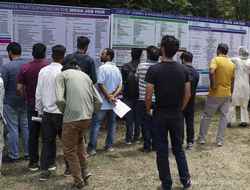
Public healthcare environments are uniquely complex. Unlike private facilities, they often handle unpredictable footfall, walk-in patients, and emergency cases, making crowd management and secure access a persistent challenge. In response, healthcare administrators are turning to integrated security solutions that combine physical security, digital monitoring, and intelligent queue management.
Queue congestion has emerged as a hidden security risk in healthcare settings. Overcrowded waiting areas can lead to confusion, unauthorized access to treatment zones, and increased stress for patients and staff. Modern healthcare security solutions now extend beyond surveillance cameras and guards, incorporating smart queue systems that regulate patient flow while maintaining visibility and control across departments.
Industry experts note that digital queue management systems are helping public healthcare facilities improve both security and operational transparency. By organizing patient movement and reducing unmanaged waiting lines, these systems lower the risk of disputes, missed appointments, and restricted-area breaches. They also support better coordination between registration desks, consultation rooms, and diagnostic units.
Another key driver behind the shift is data accountability. Public healthcare institutions are required to maintain detailed records of patient interactions and service timelines. Integrated healthcare security solutions provide centralized dashboards that allow administrators to monitor queue status, service performance, and peak-hour activity in real time, supporting better decision-making and regulatory reporting.
Government-backed hospitals are also focusing on inclusivity and accessibility. Digital queue systems reduce physical crowding, help prioritize critical cases, and offer clearer guidance to patients unfamiliar with hospital processes. This improves overall safety while ensuring that healthcare services remain equitable and patient-focused.
As public healthcare infrastructure continues to evolve, security is increasingly viewed as a combination of protection, efficiency, and experience rather than just physical control. Solutions that manage patient flow while safeguarding facilities are becoming an essential part of modern healthcare planning.
Public healthcare environments are uniquely complex. Unlike private facilities, they often handle unpredictable footfall, walk-in patients, and emergency cases, making crowd management and secure access a persistent challenge. In response, healthcare administrators are turning to integrated security solutions that combine physical security, digital monitoring, and intelligent queue management.
Queue congestion has emerged as a hidden security risk in healthcare settings. Overcrowded waiting areas can lead to confusion, unauthorized access to treatment zones, and increased stress for patients and staff. Modern healthcare security solutions now extend beyond surveillance cameras and guards, incorporating smart queue systems that regulate patient flow while maintaining visibility and control across departments.
Industry experts note that digital queue management systems are helping public healthcare facilities improve both security and operational transparency. By organizing patient movement and reducing unmanaged waiting lines, these systems lower the risk of disputes, missed appointments, and restricted-area breaches. They also support better coordination between registration desks, consultation rooms, and diagnostic units.
Another key driver behind the shift is data accountability. Public healthcare institutions are required to maintain detailed records of patient interactions and service timelines. Integrated healthcare security solutions provide centralized dashboards that allow administrators to monitor queue status, service performance, and peak-hour activity in real time, supporting better decision-making and regulatory reporting.
Government-backed hospitals are also focusing on inclusivity and accessibility. Digital queue systems reduce physical crowding, help prioritize critical cases, and offer clearer guidance to patients unfamiliar with hospital processes. This improves overall safety while ensuring that healthcare services remain equitable and patient-focused.
As public healthcare infrastructure continues to evolve, security is increasingly viewed as a combination of protection, efficiency, and experience rather than just physical control. Solutions that manage patient flow while safeguarding facilities are becoming an essential part of modern healthcare planning.
Company:-Qwaiting
User:- Allen Daniel
Email:[email protected]
Phone:-69099163
Url:-
Legal Disclaimer:
MENAFN provides the
information “as is” without warranty of any kind. We do not accept
any responsibility or liability for the accuracy, content, images,
videos, licenses, completeness, legality, or reliability of the information
contained in this article. If you have any complaints or copyright
issues related to this article, kindly contact the provider above.
Most popular stories
Market Research

More Story







Comments
No comment