







403
Sorry!!
Error! We're sorry, but the page you were looking for doesn't exist.
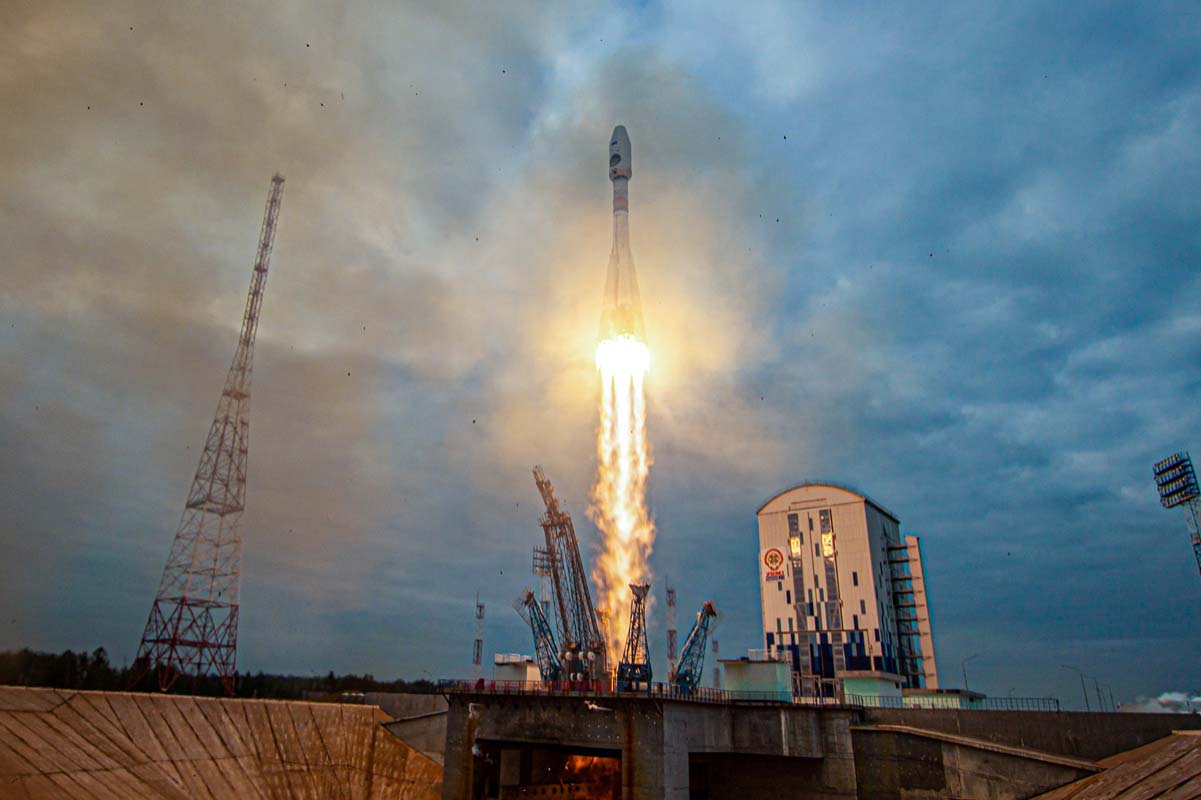
Japan's Satellite Deployment Mission Ends in Failure
(MENAFN) Japan's ambitious space mission ended in failure Monday after a critical malfunction prevented an advanced positioning satellite from reaching its intended orbit.
The Japan Aerospace Exploration Agency (JAXA) confirmed the H3 rocket carrying the sixth satellite for a sophisticated geolocation constellation launched from Tanegashima Space Center in Kagoshima province but suffered a catastrophic failure during flight. Media reported the payload loss, citing the Science Ministry.
JAXA revealed that the rocket's second-stage engine terminated prematurely following liftoff, dooming the mission. The agency's operational teams are now scrambling to determine what went wrong.
"We are currently investigating the situation. We will provide further information as soon as it becomes available," the space agency stated in a brief announcement.
The lost satellite was the Michibiki 5, designated as the sixth component of a seven-satellite Quasi-Zenith Satellite System designed to revolutionize positioning accuracy across Japan. According to JAXA, the network—distributed across multiple orbital planes—would deliver precision location services vital for smartphone applications and automotive navigation systems, ensuring comprehensive coverage throughout the nation's crowded cities and rugged mountain terrain.
This setback follows a troubled launch sequence that saw multiple postponements. Last week, Japan scrapped an earlier attempt after detecting irregularities in the launch system.
Originally scheduled for December 7, the mission was first delayed due to problems with the rocket's inertial measurement unit. Subsequent launch windows on Wednesday and then Monday were set after engineers identified further anomalies in both the rocket hardware and ground support infrastructure.
The Japan Aerospace Exploration Agency (JAXA) confirmed the H3 rocket carrying the sixth satellite for a sophisticated geolocation constellation launched from Tanegashima Space Center in Kagoshima province but suffered a catastrophic failure during flight. Media reported the payload loss, citing the Science Ministry.
JAXA revealed that the rocket's second-stage engine terminated prematurely following liftoff, dooming the mission. The agency's operational teams are now scrambling to determine what went wrong.
"We are currently investigating the situation. We will provide further information as soon as it becomes available," the space agency stated in a brief announcement.
The lost satellite was the Michibiki 5, designated as the sixth component of a seven-satellite Quasi-Zenith Satellite System designed to revolutionize positioning accuracy across Japan. According to JAXA, the network—distributed across multiple orbital planes—would deliver precision location services vital for smartphone applications and automotive navigation systems, ensuring comprehensive coverage throughout the nation's crowded cities and rugged mountain terrain.
This setback follows a troubled launch sequence that saw multiple postponements. Last week, Japan scrapped an earlier attempt after detecting irregularities in the launch system.
Originally scheduled for December 7, the mission was first delayed due to problems with the rocket's inertial measurement unit. Subsequent launch windows on Wednesday and then Monday were set after engineers identified further anomalies in both the rocket hardware and ground support infrastructure.

Legal Disclaimer:
MENAFN provides the
information “as is” without warranty of any kind. We do not accept
any responsibility or liability for the accuracy, content, images,
videos, licenses, completeness, legality, or reliability of the information
contained in this article. If you have any complaints or copyright
issues related to this article, kindly contact the provider above.
Most popular stories
Market Research

More Story








Comments
No comment