




403
Sorry!!
Error! We're sorry, but the page you were looking for doesn't exist.
Meet Emirati Woman Who Turned Food Waste Into One Million Meals
(MENAFN- Khaleej Times)
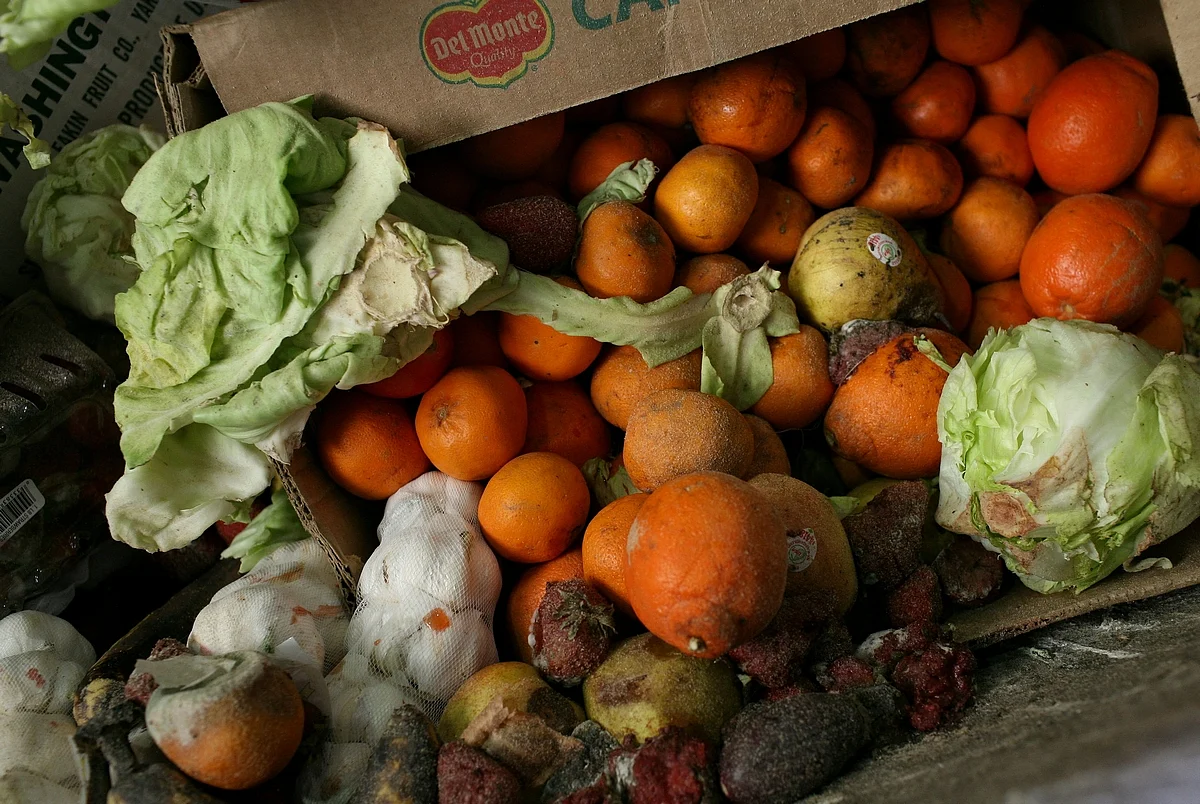
Two years ago, Maryam AlFalasi helped design a system that redirected surplus food from retailers into more than one million meals for people who needed them, tackling a problem that costs the UAE an estimated Dh13 billion annually.
According to reports, the country wastes around 3.27 million tonnes of food each year, with 38 per cent of prepared food discarded daily. AlFalasi, a National Experts Program (NEP) representative for the food sector, approached the issue not through forecasts and charts, but by observing everyday habits – what people buy, save, overlook, and throw away across the Emirates.
Recommended For You“Retailers had long wanted to donate their excess food. Many said so plainly,” AlFalasi told Khaleej Times.“But willing hands are not enough when the pathways are unclear. There were no standard procedures, no simple instructions, and no shared model to turn a retailer's good intention into a reliable meal for someone else.”
Stay up to date with the latest news. Follow KT on Whatsapp Channels
Doing the simplest choice
AlFalasi then designed a practical framework that made donation the simplest choice rather than the most complicated one. Through structured partnerships with organisations across the country, AlFalasi helped create a donation system that could operate at scale, removing friction and introducing clear, repeatable steps retailers could follow without hesitation.
The UAE has one of the world's highest per capita food waste rates, at about 2.7 kilograms per person daily - more than double Europe's average. During Ramadan, that figure can rise to 5.4 kilograms per person, with up to 60% of prepared meals going to waste.
AlFalasi's system demonstrated what becomes possible when design meets intent.“Through structured partnerships, we created a donation system that could operate across the country,” she said.
She is now working to expand the model and significantly increase the number of meals donated. Her understanding of food behaviour comes from years spent in spaces where waste decisions are quietly made - storerooms, stock checks, donation channels, and behind-the-scenes operations where edible food is often discarded by default.
“What we save today feeds someone tomorrow,” AlFalasi said.“It's not a slogan - it's shaped by what I've witnessed.”
The National Experts Program gave her the structure to turn observation into national-level solutions. She recognised that food security depends less on grand interventions and more on small, consistent corrections made every day.
Aiming for food security
AlFalasi is currently completing her master's in international business and policy at Georgetown University's McDonough School of Business through a UAE Ministry of Education scholarship. She holds a Bachelor of General Business Administration and a Higher Diploma in Tourism and Event Management from the Higher Colleges of Technology and has completed sustainability leadership programmes with the University of Cambridge.
AlFalasi's work addresses that vulnerability through behaviour change rather than infrastructure alone - showing that food security often begins not with supply but with systems that make the right choice easier.
The UAE has set a target through Ne'ma, the National Food Loss and Waste Initiative, to reduce food waste by 50 per cent by 2030. With the country importing 80–90 per cent of its food, waste carries significant economic and food-security consequences.

Legal Disclaimer:
MENAFN provides the
information “as is” without warranty of any kind. We do not accept
any responsibility or liability for the accuracy, content, images,
videos, licenses, completeness, legality, or reliability of the information
contained in this article. If you have any complaints or copyright
issues related to this article, kindly contact the provider above.
Most popular stories
Market Research







Comments
No comment