




403
Sorry!!
Error! We're sorry, but the page you were looking for doesn't exist.
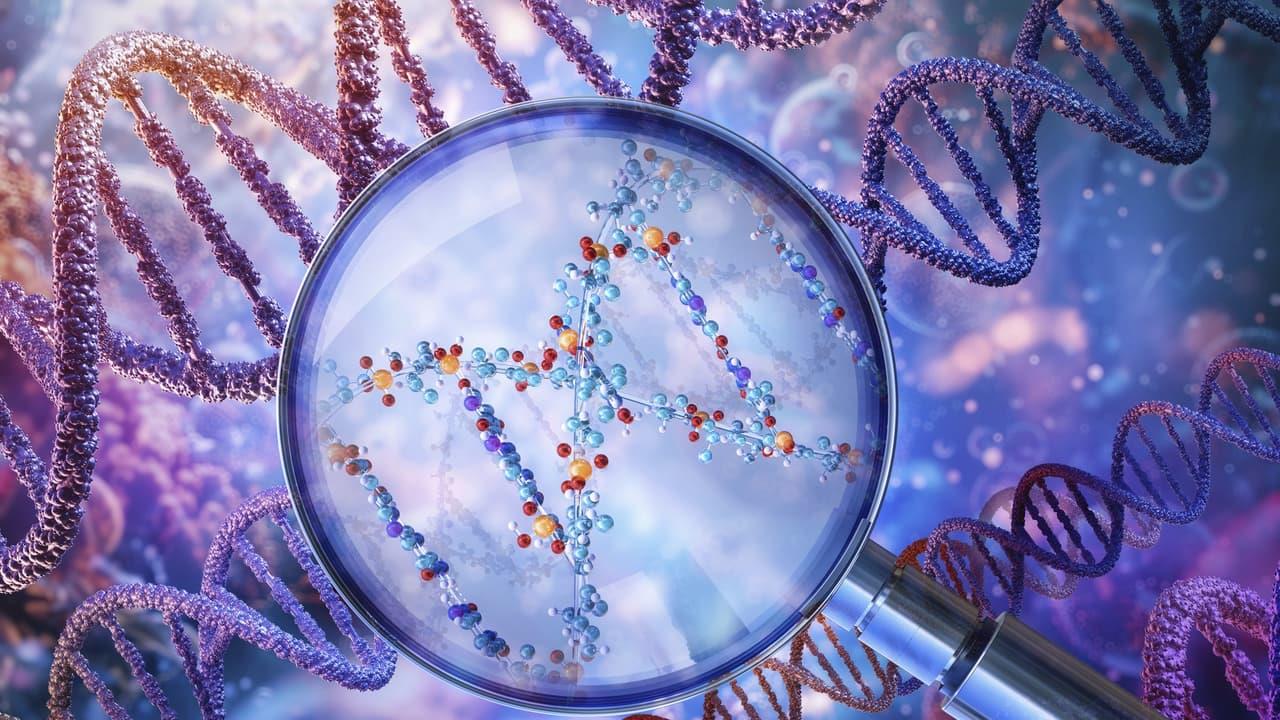
Ancient DNA May Help Explain Why Some People Live Past 100
(MENAFN- AsiaNet News)
Some people credit good habits or good fortune for a long life. But a new genetic study suggests the secret to reaching 100 may lie much deeper - in DNA inherited from ancient hunter-gatherers who lived thousands of years ago.
Researchers studying more than 1,000 Italians, including over 300 centenarians, found that people who lived beyond 100 shared a stronger genetic link to prehistoric European hunter-gatherers than the rest of the population. The findings hint that very old genetic traits may still influence human longevity today.
Ancient DNA Linked to Exceptional Longevity
The research team compared modern Italian genomes with ancient DNA from prehistoric groups, including Bronze Age herders and early farming communities. They found that centenarians carried a significantly higher proportion of genes linked to Mesolithic Western European Hunter-Gatherers, who lived between 9,000 and 14,000 years ago.
These ancient populations survived by hunting animals and gathering a wide range of plant foods, leading physically demanding lives in constantly changing environments. According to researchers, this genetic legacy may have equipped their descendants with biological advantages that support healthy ageing.
The study, published in GeroScience, is the first to clearly associate hunter-gatherer ancestry with extreme longevity.
What Makes These Genes Special?
While the exact biological mechanisms remain unclear, scientists believe hunter-gatherer DNA may influence metabolism, inflammation control, or resistance to age-related diseases. Interestingly, no other ancient ancestry - including early farming populations - showed the same connection to long life.
The researchers stress that genes alone do not guarantee longevity. Lifestyle factors still play a major role, but genetic background may help explain why some individuals remain healthier for longer, even into their tenth decade and beyond.
Genetics Meets Modern Longevity Science
The findings align with broader research on so-called“Blue Zones,” regions where people frequently live past 100. Experts studying centenarians agree that regular physical activity, strong social bonds, purpose, and low stress are crucial for a long life.
Today, more people are reaching 100 than ever before, thanks to advances in healthcare and living standards. However, this study suggests that ancient genetic inheritance may quietly shape how well individuals age.
While modern medicine can extend lifespan, the roots of longevity may stretch back thousands of years - to a time when survival depended on resilience, movement, and adaptability. Scientists say further research will be needed to understand how these ancient genes interact with today's lifestyles.

Legal Disclaimer:
MENAFN provides the
information “as is” without warranty of any kind. We do not accept
any responsibility or liability for the accuracy, content, images,
videos, licenses, completeness, legality, or reliability of the information
contained in this article. If you have any complaints or copyright
issues related to this article, kindly contact the provider above.
Most popular stories
Market Research

More Story







Comments
No comment