




403
Sorry!!
Error! We're sorry, but the page you were looking for doesn't exist.
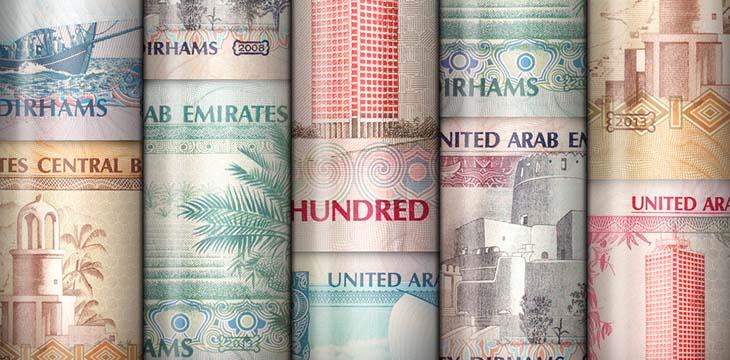
UAE Readies Digital Dirham Rollout After First Live Government Transaction
(MENAFN- The Arabian Post)
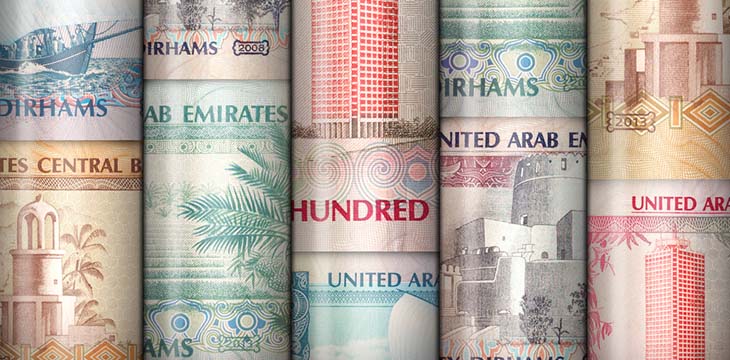
The Central Bank of the UAE confirmed that the Digital Dirham - its central-bank-issued digital currency - is poised for phased rollout, following the nation's first government-level payment settled in Digital Dirham. The transaction, processed in under two minutes via the mBridge multi-CBDC platform, involved the Ministry of Finance and the Dubai Department of Finance, underscoring readiness of infrastructure and institutional coordination.
This marks a transition from pilot tests to operational use. The CBUAE's July policy paper outlined the phased approach. Initially, Digital Dirham will support wholesale and public-sector payments, with retail wallet functionality and broader consumer access scheduled to follow before year's end. Crucially, the currency has been designated legal tender under the 2025 regulatory framework - giving it the same status as physical cash and traditional bank money.
The project forms a cornerstone of the CBUAE's Financial Infrastructure Transformation Programme, launched in 2023 to modernise the UAE's financial architecture. With Digital Dirham, the central bank aims to deliver instant settlement for retail, wholesale and cross-border payments, reduce transaction costs and enable secure, transparent transfers in sovereign money. Observers note the CBDC's design emphasises coexistence with - not replacement of - conventional deposit and bank systems, avoiding interest-bearing features to discourage it from becoming a savings vehicle.
Businesses and individuals stand to benefit from faster, cheaper and more efficient payment rails. SMEs, retailers, service providers and even those currently underserved by traditional banking may gain access to digital wallets backed by central bank money, boosting financial inclusion. For multinational firms and cross-border traders, Digital Dirham coupled with mBridge promises streamlined remittances and settlements with fewer intermediaries.
See also Dubai Run Shatters Record ParticipationAt the same time, the transition brings challenges. Financial institutions and payment service providers need to integrate new infrastructure, ensure compliance with updated regulatory frameworks, and adapt internal processes - including anti-money-laundering protocols and transaction monitoring. Legal and contractual agreements may require revision to accommodate CBDC payments.
For tourists and foreign visitors, the Digital Dirham could simplify currency exchange and spending: holders of foreign wallets may top up a Dirham-denominated digital wallet, use it across the UAE and reconvert any unused balance before departure, as outlined by CBUAE fintech officials.
Notice an issue? Arabian Post strives to deliver the most accurate and reliable information to its readers. If you believe you have identified an error or inconsistency in this article, please don't hesitate to contact our editorial team at editor[at]thearabianpost[dot]com. We are committed to promptly addressing any concerns and ensuring the highest level of journalistic integrity.

Legal Disclaimer:
MENAFN provides the
information “as is” without warranty of any kind. We do not accept
any responsibility or liability for the accuracy, content, images,
videos, licenses, completeness, legality, or reliability of the information
contained in this article. If you have any complaints or copyright
issues related to this article, kindly contact the provider above.
Most popular stories
Market Research









Comments
No comment