



403
Sorry!!
Error! We're sorry, but the page you were looking for doesn't exist.
Kashmir's RBA Villages Cannot Be Left Behind
(MENAFN- Kashmir Observer)
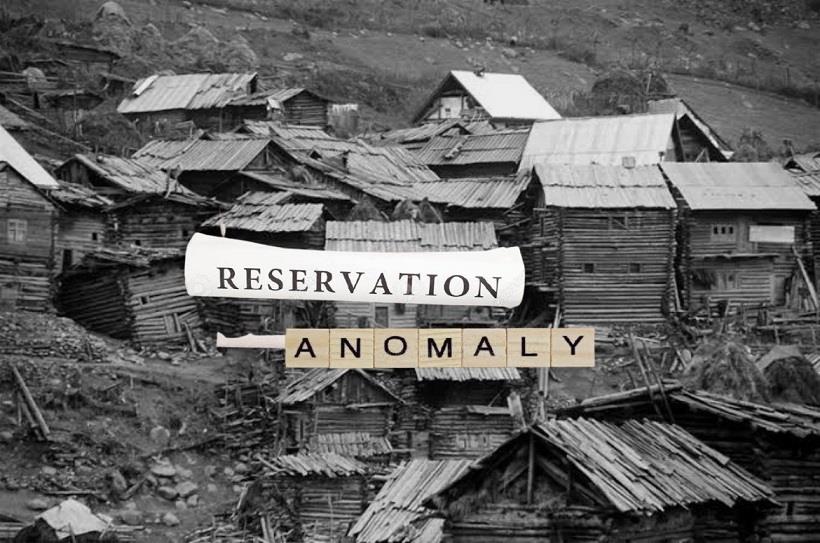
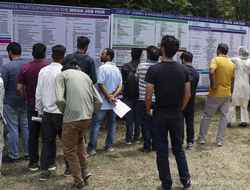
Representational Photo
Representational Photo
By Bakhshi Mehmooda Ahmad
The decision to cut reservation quota for Residentially Backward Areas (RBA) in Jammu and Kashmir affects those who have lived on the margins for decades.
Officials call it“rationalization,” a word that sounds fair, but for people from remote regions, the impact is anything but.
ADVERTISEMENTRBA reservation is about geography. It is about communities left without basic facilities for generations. It is about villages that remain cut off from electricity, roads, hospitals, and schools.
The new quota structure leaves SC and ST communities untouched, but the RBA, representing some of the most neglected populations, has been asked to pay the price.
Rationalization begins with those who already have the least.
To understand what backwardness means in an RBA, it helps to see it on the ground.
In places like Marwah and Warwan, electricity is unreliable, internet access almost nonexistent, and snowfall cuts off entire regions for months.
Roads close, schools stop functioning, hospitals remain unreachable, and communication shuts down. Students cannot download study material, patients cannot reach medical care, and families are trapped behind walls of snow and neglect.
This is why RBA reservation exists.
Reducing it is not fairness. It is injustice.
Open merit deserves space, but taking away support from RBA students deepens inequality.
Consider a student in a city with electricity, internet, and generations of academic guidance, and a student in a snowbound RBA village.
The village student walks miles to school, studies under a lantern, and loses months every winter because nature blocks the way.
If equity is the goal, support must go to those who face the greatest obstacles.
For years, governments have claimed that development reaches every corner of J&K. Unless policymakers have lived without internet for months or crossed snow-covered mountains in emergencies, these claims remain hollow.
RBA quotas are compensation for decades of neglect. Removing them punishes the people who have already struggled the most.
If rationalization is the goal, it must be grounded in reality.
Reliable electricity, functional schools and hospitals, internet connectivity, mobile towers, and all-weather roads must be in place before reducing benefits.
A“Severely Isolated Regions” sub-category can protect the most cut-off areas until development reaches them. Special scholarships and coaching programs can give RBA students the tools to compete fairly. Communities must be consulted before decisions are made.
I write this as someone who has lived these challenges. I have seen students cry because a form would not download without internet. I have watched neighbours carried on makeshift stretchers over snow-covered trails. I have seen families travel long distances just to submit applications. I have seen the rest of the world move forward while my village remained behind mountains, literally and figuratively.
Legal Disclaimer:
MENAFN provides the
information “as is” without warranty of any kind. We do not accept
any responsibility or liability for the accuracy, content, images,
videos, licenses, completeness, legality, or reliability of the information
contained in this article. If you have any complaints or copyright
issues related to this article, kindly contact the provider above.
Most popular stories
Market Research

More Story



Comments
No comment