




403
Sorry!!
Error! We're sorry, but the page you were looking for doesn't exist.
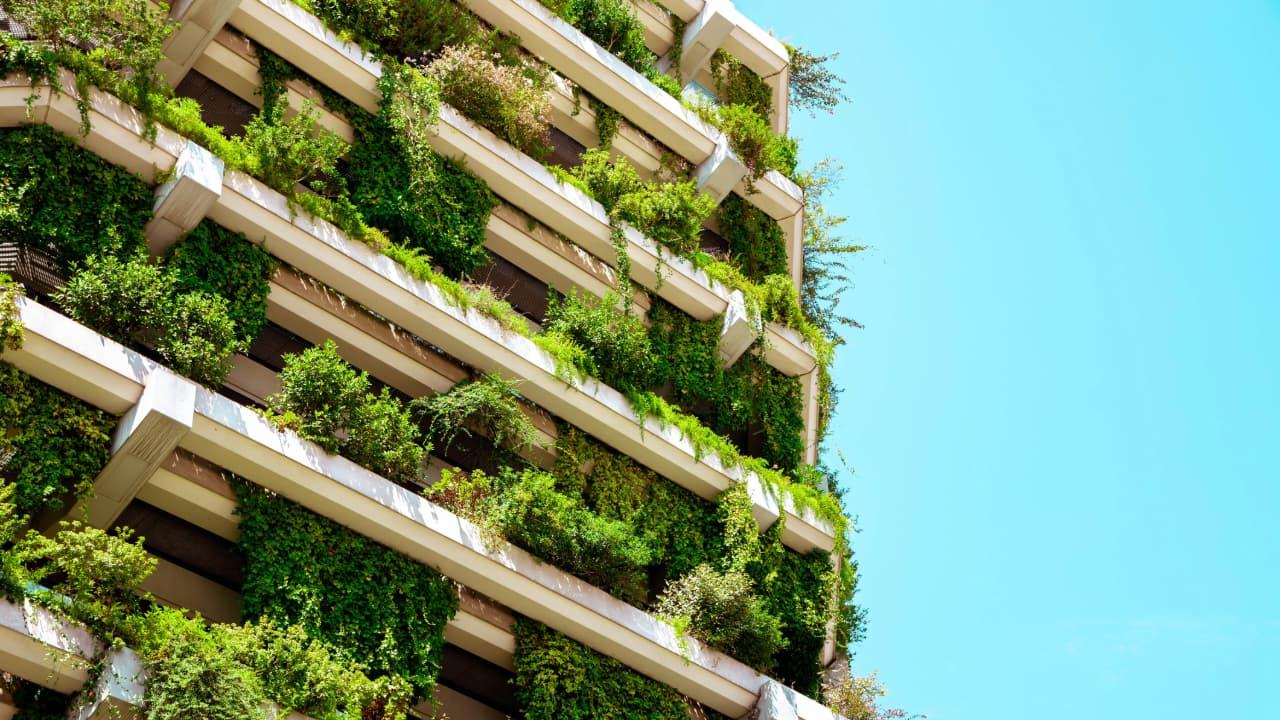
Green Buildings In India Cut 53 Million Tonnes Of Carbon A Year Mumbai Leads With 516 Certified Structures
(MENAFN- AsiaNet News)
Across India, eco-friendly buildings are proving that smart design can make a significant impact. New data from the Indian Green Building Council (IGBC) reveals the impressive benefits of these sustainable changes: green-certified buildings across the country save an estimated 199 billion litres of water annually. This amount is equivalent to about 14% of the water used in Mumbai each year. These buildings also prevent approximately 53 million tonnes of carbon emissions annually, which is comparable to the environmental benefit of planting around 2.4 billion trees.
Mumbai is leading the nation in the adoption of green practices, with 516 certified buildings. It is closely followed by Hyderabad with 493 structures and Pune with 414. Several other major cities, including Bengaluru, Delhi, Chennai, Kolkata, and Ahmedabad, are also making strong contributions to the national list.
IGBC Report and Savings
One clear example of sustainable improvements in Mumbai is the Chhatrapati Shivaji Maharaj Vastu Sangrahalaya, the city's famous museum. Over the years, solar panels have been installed in three phases, helping to save about ₹7 lakh in electricity costs annually. The museum also operates a composting machine that converts wet waste from the premises into nutrient-rich manure for its gardens. To ensure more water for daily use, it expanded its rainwater harvesting system and now collects nearly 29 million litres each year. Water metres placed throughout the property help monitor consumption accurately.
Mumbai's international airport has also made notable progress. Terminal 2 now generates about 5.3 million kWh of energy annually through on-site solar panels. The airport has further reduced electricity use by switching all outdoor lighting to LED fixtures, which use significantly less power compared to older systems.
Corporate buildings in the city are following suit. At Bombay House, the headquarters of the Tata Group, fresh water usage has dropped by 60% due to the installation of low-flow taps, dual-flush toilets, and automated sensor-based urinals. A central Building Management System (BMS) continuously monitors water usage and energy performance. Upgrades to pumping and cooling systems have also helped reduce overall energy consumption.
Sustainable practices are also spreading across office campuses. ICICI Bank's complex in Bandra Kurla Complex (BKC) has achieved a rare“Net Zero Waste to Landfill” status for its operations. It recycles or reuses 99.62% of all waste generated, sending only a small fraction to landfills. All organic waste is composted on-site.
Capgemini Technologies has also redesigned its water and energy systems. By installing water-efficient fixtures, including aerators, rainwater filters, harvesting pits, and waterless urinals, the company has reduced its water usage by 40%. Its 750 kWp rooftop solar plant generates about 1.1 million units of electricity each year, covering one-fifth of its energy needs. A complete switch from CFL bulbs to LEDs, along with other upgrades, has resulted in a 15% reduction in total energy consumption.
The IGBC also highlights the NTT Data Centre in Navi Mumbai and Godrej's One and Platinum buildings in Vikhroli as notable examples of sustainable construction. With more companies and institutions adopting similar measures, India's cities are showing how modern design, smart technology, and responsible resource use can support both development and environmental protection.

Legal Disclaimer:
MENAFN provides the
information “as is” without warranty of any kind. We do not accept
any responsibility or liability for the accuracy, content, images,
videos, licenses, completeness, legality, or reliability of the information
contained in this article. If you have any complaints or copyright
issues related to this article, kindly contact the provider above.
Most popular stories
Market Research

More Story







Comments
No comment