

403
Sorry!!
Error! We're sorry, but the page you were looking for doesn't exist.
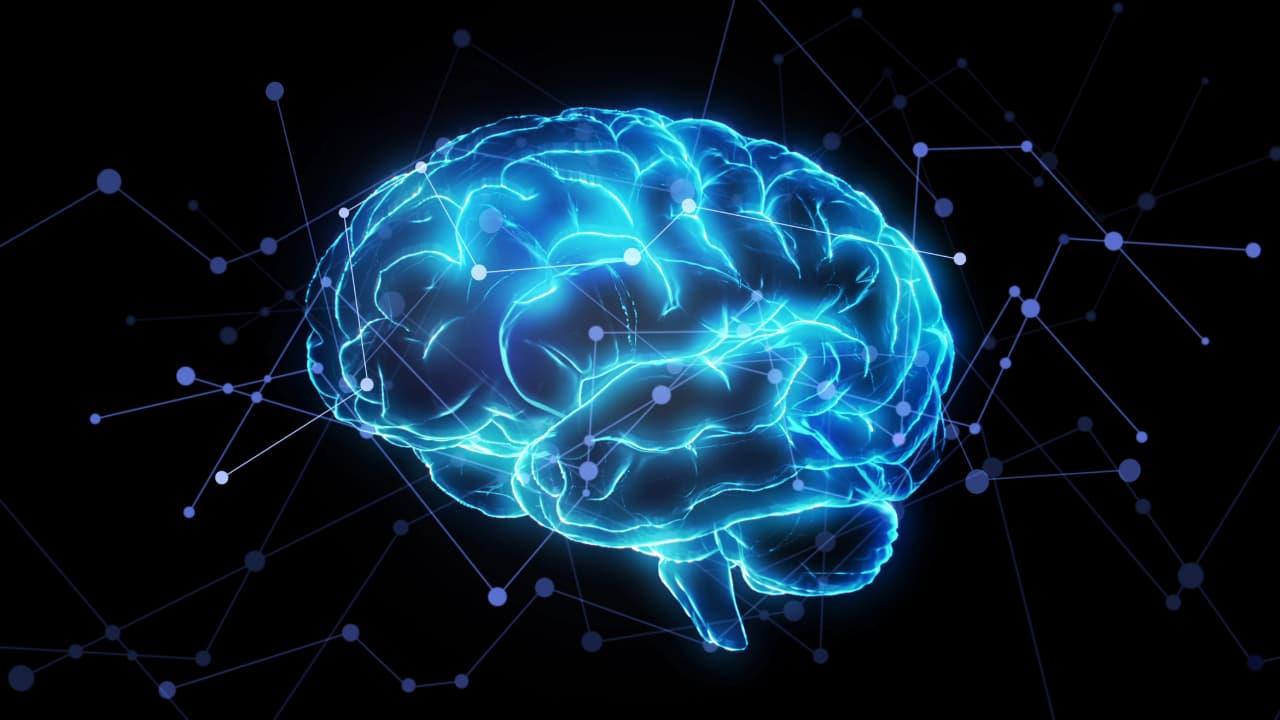
Cambridge Scientists Reveal Five Major Turning Points When Your Brain Rewires Itself


(MENAFN- AsiaNet News)
Scientists have identified five key stages in the development of the human brain, showing how it changes significantly from birth through to old age. Researchers at the University of Cambridge found that the brain goes through different phases or "epochs" as it rewires itself over time. Each phase is linked to different ways the brain supports activities such as thinking, learning, memory, and behaviour. These changes help explain why our abilities and vulnerabilities vary throughout life.
The study, conducted by researchers from the MRC Cognition and Brain Sciences Unit at the University of Cambridge, analyzed MRI diffusion scans from 3,802 individuals, ranging from newborns to people in their 90s. These scans track how water moves through the brain, which provides insight into how different parts of the brain connect and communicate.
The findings, published in the journal Nature Communications, reveal that the brain undergoes five broad phases. Four key "turning points" mark the transitions between these stages.
From Childhood to Adolescence
From birth to early adulthood, the brain goes through a long period of development. The first stage starts at birth and lasts until around age nine. This is followed by adolescence, which continues much longer than people usually expect, up to about age 32. It is only after the early thirties that the brain matures into its adult configuration, a phase that lasts more than three decades. Around age 66, the brain enters an "early ageing" phase, and then a "late ageing" phase begins around age 83.
Early Years: Rapid Building, Pruning, and Consolidation
In the early years, the brain undergoes rapid growth, especially in the number of synapses, which are the tiny connections between neurons that allow them to pass signals. Over time, the brain prunes these connections, keeping only the most active ones. This process helps the brain become more efficient. During these years, grey and white matter expand quickly, and the outer surface of the brain thickens and folds. By age nine, the brain reaches a major turning point. This is a time when children often experience a leap in cognitive abilities, but it is also when the risk of certain mental health issues begins to increase.
Adolescence and Adulthood
Adolescence is a time of steady growth in white matter, the tissue that allows different brain regions to communicate. As these connections strengthen, the brain becomes more organized and communication between regions becomes more efficient. MRI scans show that water flows in a more structured way through the brain, indicating stronger and cleaner connections. This is the only period in life where the brain's efficiency keeps increasing. These changes peak in the early thirties.
Once the brain reaches age 32, it enters its adult phase, which is far more stable than earlier periods. Psychological studies often show that intelligence and personality traits settle into a long plateau during adulthood, and the new research suggests that the brain's wiring reflects this. During these years, different brain regions become more specialized and distinct, each focusing on specific functions.
Late Ageing: Weakening Global Connections
A subtle turning point appears around age 66, when the brain begins to reorganize its networks. This shift may be linked to early ageing processes, as white matter weakens and conditions like high blood pressure become more common.
The final stage begins around age 83. Although data for this age group is more limited, the patterns are clear: the brain becomes less connected overall and starts to rely more on specific areas.
Prof Duncan Astle, the senior author of the study, said,“Looking back, many of us feel our lives have been characterized by different phases. It turns out that brains also go through these eras.”
Since many developmental, mental health, and neurological conditions are linked to how the brain is wired, this insight could help scientists understand why certain problems arise at specific times in life.

Legal Disclaimer:
MENAFN provides the
information “as is” without warranty of any kind. We do not accept
any responsibility or liability for the accuracy, content, images,
videos, licenses, completeness, legality, or reliability of the information
contained in this article. If you have any complaints or copyright
issues related to this article, kindly contact the provider above.
Most popular stories



Market Research








Comments
No comment