





403
Sorry!!
Error! We're sorry, but the page you were looking for doesn't exist.
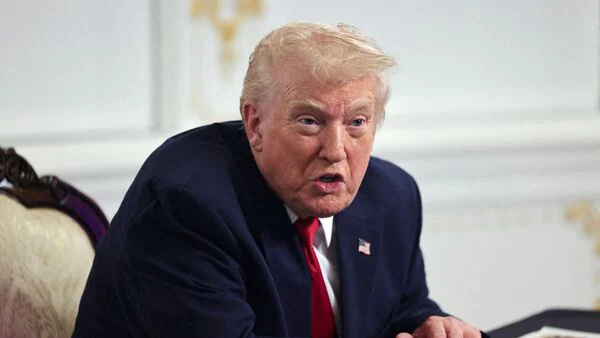
US, UK Seal Zero Tariff Pharmaceutical Deal As NHS Pledges To Pay More For Drugs-Key Points
(MENAFN- Live Mint) Britain's publicly-funded National Health Service (NHS) is set to pay about 25% more for innovative drugs in return for zero tariffs on exports of pharmaceuticals to the US as part of a new deal under Donald Trump's government, which was finalised on Monday, 1 December.
According to a report by The Guardian, industry sources estimate it could cost about £3bn in higher spending on drugs over the next three years. However, they also noted that the deal could increase the portion of the NHS budget spent on medicines for diseases such as breast cancer, asthma and motor neurone disease, where innovation is key.
In return, UK will be exempted from hefty US tariffs imposed on pharma imports that entered force on October 1. It is the only country to reach such a deal as European Union and Switzerland continue to face pharma tariffs totalling 15%.
US-UK zero tariff pharma deal: Key pointsHere's a glimpse at the key highlights of the deal:
- Higher prices for US treatments: The National Health Service (NHS) will increase its prices for new US treatments by 25%. Zero tariffs: Britain is now the only country exempted from the hefty tariffs that took effect on 1 October. UK-made medicines, drug ingredients and medical technology will be exempt from Section 232 sectoral tariffs and any future Section 301 country tariffs. Prior to Monday's announcement, the Trump administration had announced tariffs of 100 percent on branded pharmaceuticals. Rise in NICE's threshold: The National Institute for Health and Care Excellence (NICE) – the body that sets the guidelines for expenditure on new drugs, currently approves about 70 new medicines a year. Under the deal, the UK body's "quality-adjusted life year" threshold, currently 30,000 pounds ($39,789) per year, will rise to a range of £25,000 to £35,000 ($46,239) per year, widening the pool of drugs the NHS can prescribe. Delay in tariffs for AstraZeneca: The White House, on Monday, also delayed the tariffs for three years with Pfizer and British group AstraZeneca after both agreed to invest in US manufacturing capacity.
The accord aims to "address long-standing imbalances in US-UK pharmaceutical trade," ending what US trade ambassador Jamieson Greer called an arrangement where“American patients have been forced to subsidise prescription drugs and biologics in other developed countries,” reported AFP.
What the deal means for UK patients?British Science and Technology Secretary Liz Kendall said the US-UK pharma deal will ensure that UK patients get access to medicines faster. The deal will "ensure UK patients get the cutting-edge medicines they need sooner," while also enabling“life sciences companies to continue to invest and innovate right here in the UK,” news agency reports quoted Kendall as saying.

Legal Disclaimer:
MENAFN provides the
information “as is” without warranty of any kind. We do not accept
any responsibility or liability for the accuracy, content, images,
videos, licenses, completeness, legality, or reliability of the information
contained in this article. If you have any complaints or copyright
issues related to this article, kindly contact the provider above.
Most popular stories
Market Research

More Story








Comments
No comment