




403
Sorry!!
Error! We're sorry, but the page you were looking for doesn't exist.
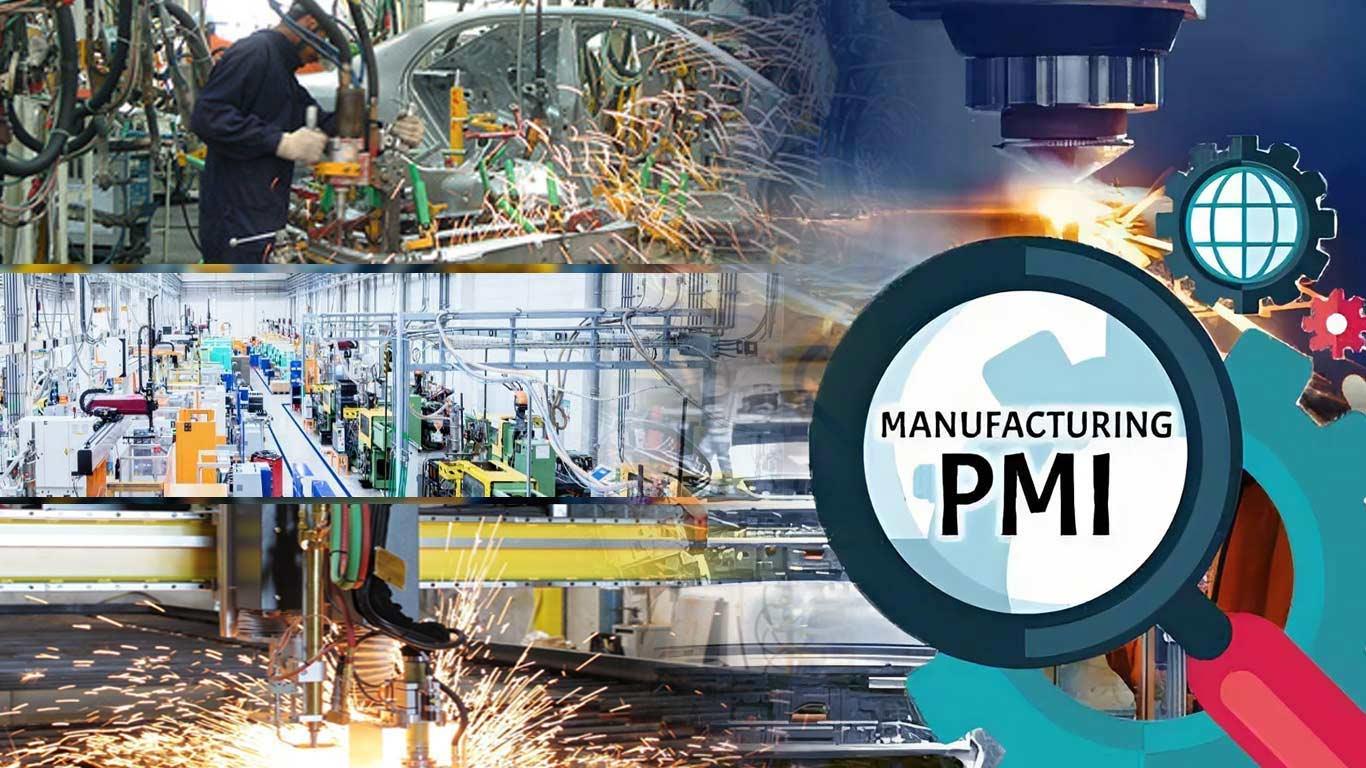
India's Manufacturing PMI Eases To 56.6 In November, Growth Momentum Softens
(MENAFN- KNN India)
New Delhi, Dec 1 (KNN) India's manufacturing sector continued to expand in November, though at a slower pace, with the HSBC India Manufacturing PMI (purchasing managers' index) easing to 56.6 from October's 59.2, according to a survey compiled by S&P Global.
A reading above 50 shows expansion in manufacturing activities while a score below it indicates contraction.
The moderation in factory activities is seen as a direct impact of punitive tariff imposed by the US on a large number of items in India's export basket.
Notably, the official GDP data released last week showed Indian economy recorded 8.2 percent annualised growth in the second quarter (July-September) of the current fiscal 2025-26 with manufacturing sector powering the surge.
The HSBC India Manufacturing PMI, one of the closely-watched high frequency economic indicators by policy-makers and markets, showed upward trend in India's factory activities on the back of new orders and output gain.
As per the private survey, inflation rates receded in November, with input costs and selling charges rising at the slowest rates in nine and eight months respectively.
The month of November witnessed weakest rise in sales and production since February this year, while job creation was at 21-month low.
Commenting on the survey findings, HSBC Chief India Economist Pranjul Bhandari stated, "India's final November PMI confirmed that US tariffs caused the manufacturing expansion to slow.”
“The new export orders PMI fell to a 13-month low. Business confidence, as indicated by expectations for future output, showed a big fall in November, potentially reflecting increasing concerns about the impact of tariffs." She added.
The HSBC India Manufacturing PMI is compiled by S&P Global from responses to questionnaires sent to purchasing managers in a panel of around 400 manufacturers.
During the survey, manufacturers noted a substantial upturn in order book volumes, positive demand trends and greater client interest.
Further, the survey showed export demand softened during November this year, expanding at the slowest rate in over a year due to weaker global markets.
Hiring activity moderated during this period, with job creation falling to a 21 month low as companies aligned workforce expansion with slower sales growth. Buying levels and inventory accumulation also softened.
Input cost inflation eased to its weakest level since February, allowing firms to limit price hikes. Output charge inflation likewise slowed to an eight-month low.
As per the key survey, business confidence slipped to its lowest level since mid 2022 amid concerns over competition and the impact of global tariff conditions.
Despite the moderation, vendor performance improved and supply conditions remained stable, the survey said.
The moderation in manufacturing activities may have a sharper impact on MSMEs, which depend heavily on steady order flows and subcontracting from larger manufacturers.
Slower sales and weaker export pipelines could add to liquidity pressures, particularly for units with thin margins.
(KNN Bureau)

Legal Disclaimer:
MENAFN provides the
information “as is” without warranty of any kind. We do not accept
any responsibility or liability for the accuracy, content, images,
videos, licenses, completeness, legality, or reliability of the information
contained in this article. If you have any complaints or copyright
issues related to this article, kindly contact the provider above.
Most popular stories
Market Research

More Story







Comments
No comment