





403
Sorry!!
Error! We're sorry, but the page you were looking for doesn't exist.
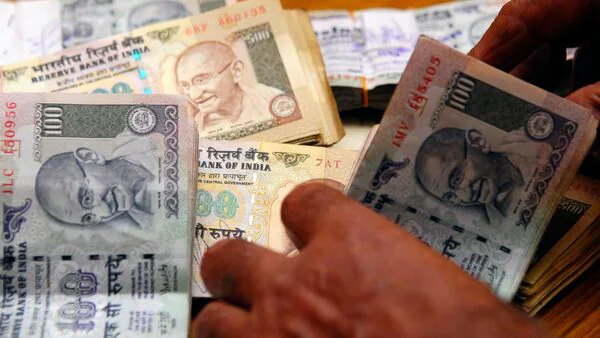
FM To Introduce Bill For 'Health, National Security' Cess Today, As Tobacco Levy Set To Expire
(MENAFN- Live Mint)
NEW DELHI: Finance minister Nirmala Sitharaman will on Monday introduce a Bill in Lok Sabha to levy a new cess for public health and national security, replacing the GST compensation cess on tobacco, which will lapse when the Centre completes repayment of the loans raised to compensate states. Monday will be the first day of the 15-sitting winter session of parliament.
As per the list of business in Lok Sabha, the proposed levy will be charged on machines or processes used to manufacture specified goods, but their details were not given. The new levy is likely to ensure that the overall tax burden on cigarettes, gutkha, pan masala and other tobacco products is maintained at the current level even after the expiry of the GST compensation cess.
The Centre's move follows the GST Council's decision in September to scrap the compensation cess on all goods except tobacco and shift to a largely two-rate structure, while leaving it to the finance minister to determine the exact timeline for tobacco's transition to the proposed 40% GST slab for ultra luxury and 'sin' goods.
With tobacco also attracting central excise, a parallel amendment to the Central Excise Act will be moved to synchronize the shift, as officials and tax experts say a fresh statutory mechanism is needed to maintain revenue and uphold the government's deterrence-based tobacco taxation policy.
Also Read | Sharp rise in taxpayers, but millions skip filing returns: CBDT dA person informed about the Bill, on the condition of anonymity, confirmed that the proposed legislative amendment is required since the GST compensation cess on tobacco is set to expire.
The proposed public health and national security cess will likely ensure that the tax incidence on tobacco, deemed a 'sin' good, remains the same even after the GST compensation cess expires. Government policy aims to discourage tobacco use with high taxes and stringent labelling requirements.
Separately, Sitharaman will also move a Bill to amend the Central Excise Act of 1944. Tobacco attracts both GST and central excise.
“The GST compensation cess on all goods other than tobacco and products have been removed from 22 September and the same on the tobacco and products is expected to be discontinued once its purpose, that is paying off the loans taken to provide compensation support to states is fulfilled, said Abhishek Jain, indirect tax head & partner at KPMG in India.
GST compensation cess proceeds were used to make up for states' revenue loss from the rollout of GST in 2017, for the five years up to June 2022, but the cess was extended till March 2026 to service the ₹2.69 trillion debt raised by the Centre to support states during the pandemic.
Also Read | I-T Dept to nudge taxpayers to come clean on foreign weaAt the September GST Council meeting, it was decided that the date of transition to a new tax structure for tobacco and products would be decided by the union finance minister, who also chairs the Council. The cess is to be discontinued when the loans taken by the Centre to give liquidity support to states during the pandemic is fully paid off. That is expected well before March 2026.
“The proposed Central Excise Bill and the 'Health Security se National Security Cess Bill, 2025' in the Lok Sabha could be in this regard. However, the listed agenda does not specify the industry this may be applied, and hence clarity would emerge once the Bill is introduced in Lok Sabha," said Jain.
Tobacco and its products such as cigarettes, pan masala, gutkha currently attract 28% GST and a compensation cess that goes up to 290% in some cases such as smoking mixtures for pipes. After their transition to the new rate structure at a time to be decided by the finance minister, these will move to the 40% GST slab and the remaining gap is likely to be met by the proposed new cess and any additional excise duty. This could be before the end of fiscal year in March, as the loans are likely to be paid off before that.
Also Read | After rate cuts, GST Council moves to tackle inverted duty anomalIn September, the GST Council tweaked the four-rate GST structure to make it a predominantly two-rate one, with most products in the 5% slab and the rest in 18%. Several items were also exempt from the tax. The 12% and 28% slabs were dropped. In place of 28%, a new 40% slab was introduced for a few luxury items such as sports cars and 'sin' goods such as tobacco products. But with compensation cess gone, cars including high-end ones became cheaper.
It was then decided that tobacco items such as pan masala, gutkha and cigarettes will continue at the existing rates of GST and compensation cess where applicable till the loan and interest payment obligations for the compensation account are completely discharged.

Legal Disclaimer:
MENAFN provides the
information “as is” without warranty of any kind. We do not accept
any responsibility or liability for the accuracy, content, images,
videos, licenses, completeness, legality, or reliability of the information
contained in this article. If you have any complaints or copyright
issues related to this article, kindly contact the provider above.
Most popular stories
Market Research

More Story







Comments
No comment