




403
Sorry!!
Error! We're sorry, but the page you were looking for doesn't exist.
The Strategic Shift: How Ford And Emirates NBD Stopped Paying The Complexity Tax For Virtualization
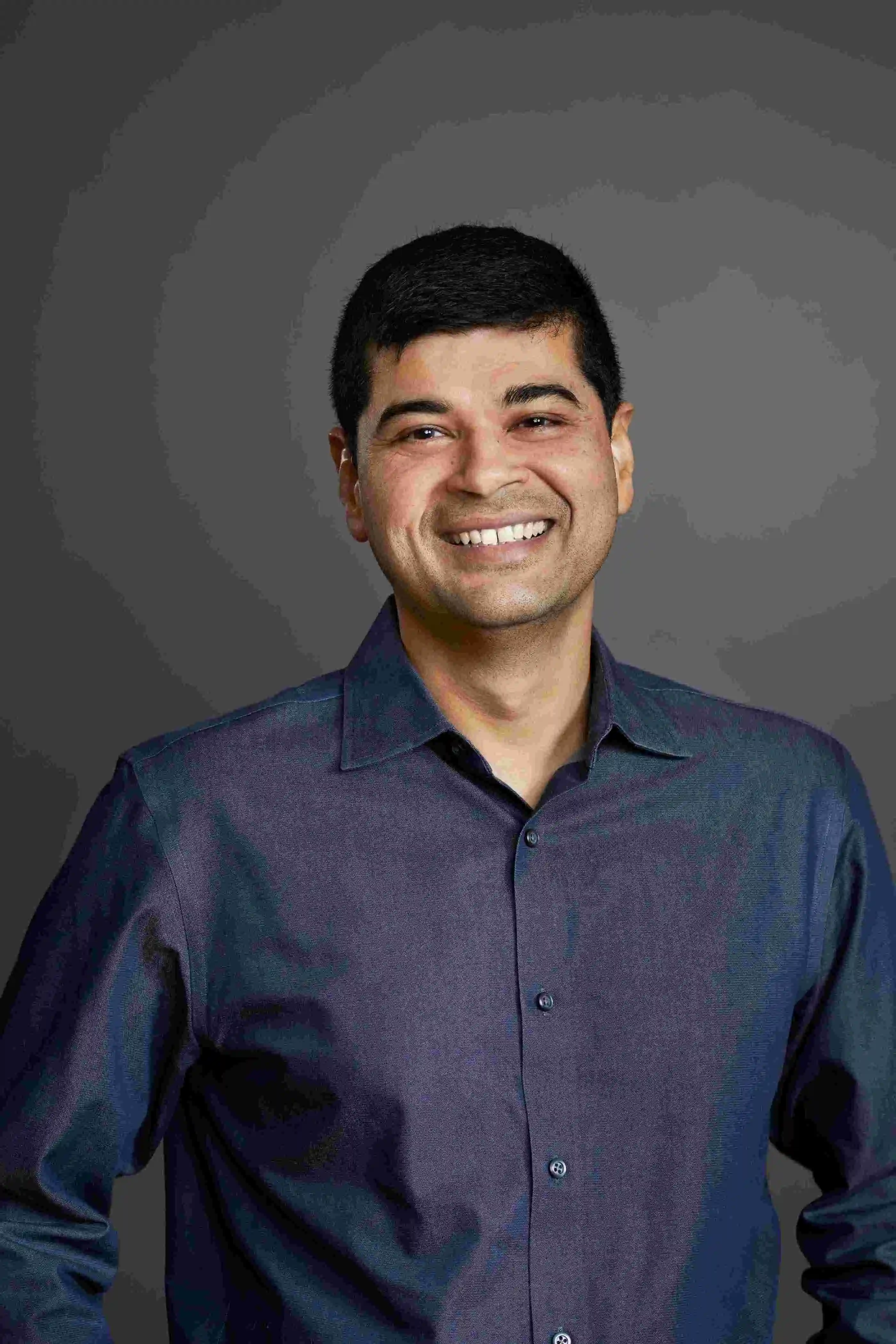
(MENAFN- Mid-East Info) By Ashesh Badani, SVP, Head of Products, Red Hat
November, 2025 – For most large-scale enterprises today, the hybrid cloud isn't a strategy; it's just the reality. Most organizations are running in both worlds: they have modern, cloud-native applications in containers, and critical, often mission-critical, systems in virtual machines (VMs). The reality is that running two separate virtualization stacks creates silos, complexity, and unnecessary operational cost – what can be called the complexity tax. It slows down your operations and application teams, strains budgets, and ultimately makes it harder to deliver value to the business. We recently spoke with leaders who decided to tackle this fragmentation head-on: Sandeep Kulkarni from Ford Motor Co. and Ali Rey from Emirates NBD. They shared their journey of unifying VMs and containers on one cohesive platform. Their story offers a clear, straightforward playbook for any IT leader facing a similar challenge. The business problem: When legacy meets agility Both Ford and Emirates NBD are giants in their respective industries, but they faced the same fundamental challenge: not every application needs to be modernized, but they can be future-proofed with a modern platform.
November, 2025 – For most large-scale enterprises today, the hybrid cloud isn't a strategy; it's just the reality. Most organizations are running in both worlds: they have modern, cloud-native applications in containers, and critical, often mission-critical, systems in virtual machines (VMs). The reality is that running two separate virtualization stacks creates silos, complexity, and unnecessary operational cost – what can be called the complexity tax. It slows down your operations and application teams, strains budgets, and ultimately makes it harder to deliver value to the business. We recently spoke with leaders who decided to tackle this fragmentation head-on: Sandeep Kulkarni from Ford Motor Co. and Ali Rey from Emirates NBD. They shared their journey of unifying VMs and containers on one cohesive platform. Their story offers a clear, straightforward playbook for any IT leader facing a similar challenge. The business problem: When legacy meets agility Both Ford and Emirates NBD are giants in their respective industries, but they faced the same fundamental challenge: not every application needs to be modernized, but they can be future-proofed with a modern platform.
-
Ford, an iconic, 122-year-old brand, runs thousands of applications. While the company has an aggressive modernization journey underway, many core systems may remain in VMs waiting for the application modernization journey or due to their fundamental architecture, compliance, or legacy vendor support.
Emirates NBD, one of the largest banks in the Middle East, operates 24/7. While they containerized many services to gain agility, crucial vendor and legacy products had to remain virtualized to maintain reliability and meet regulatory needs.
-
Modernization is a journey, not a requirement: After Ford was able to successfully migrate their VMs to Red Hat OpenShift, they now had the perfect opportunity to strategically re-architect some applications to support modern capabilities like software-defined networking and load balancing. This modernization effort helped them maximize the new platform features.
Overcoming the familiarity barrier: Sandeep at Ford highlighted the challenge of teams being“married to a technology.” They overcame this through a dual approach: organic growth by offering training and certifications for their existing staff, and strategically engaging external experts to accelerate the learning curve. This also gave their VM teams a valuable career path into containers.
Storage is key: Emirates NBD discovered that moving thousands of VMs is primarily a storage challenge. They had to collaborate closely with their storage partners to sync data in the background and move hundreds of VMs per night to meet their aggressive timeline.
The automation accelerator: To scale effectively, both companies built a self-service automation process. Ford's team created a two-step process where end-users could request a migration, but the team still controlled the kick-off to manage outage windows. This empowerment turned end-users into partners in the journey.
-
Cost reduction from using a single, unified platform
Improved agility for faster speed to market
Better infrastructure utilization, supporting their environmental, social, and governance (ESG) goals
-
Ford is challenging its teams to build autonomous infrastructure. Their vision is a“plant in a box,” where an entire rack is built off-site and then simply powered up to bring a new plant online quickly. This unified platform is the necessary base for running AI initiatives designed to self-heal issues before they even appear.
Emirates NBD is focused on a“cookie cutter approach.” They can now take their standardized platform and deploy it consistently across new countries and entities. Crucially, they are using Red Hat to manage their GPU workloads and take advantage of OpenShift AI to accelerate innovation.
-
Ali Rey, Emirates NBD:“Don't think twice. Just jump straight into it.” The process is simpler than many people anticipate, and the benefits start immediately.
Sandeep Kulkarni, Ford Motor Co.: Follow the“crawl, walk, and run strategy.” Break the transformation into measurable, smaller chunks, and always keep the focus on business transformation, not just technology for technology's sake.

Legal Disclaimer:
MENAFN provides the
information “as is” without warranty of any kind. We do not accept
any responsibility or liability for the accuracy, content, images,
videos, licenses, completeness, legality, or reliability of the information
contained in this article. If you have any complaints or copyright
issues related to this article, kindly contact the provider above.
Most popular stories
Market Research

More Story







Comments
No comment