





403
Sorry!!
Error! We're sorry, but the page you were looking for doesn't exist.
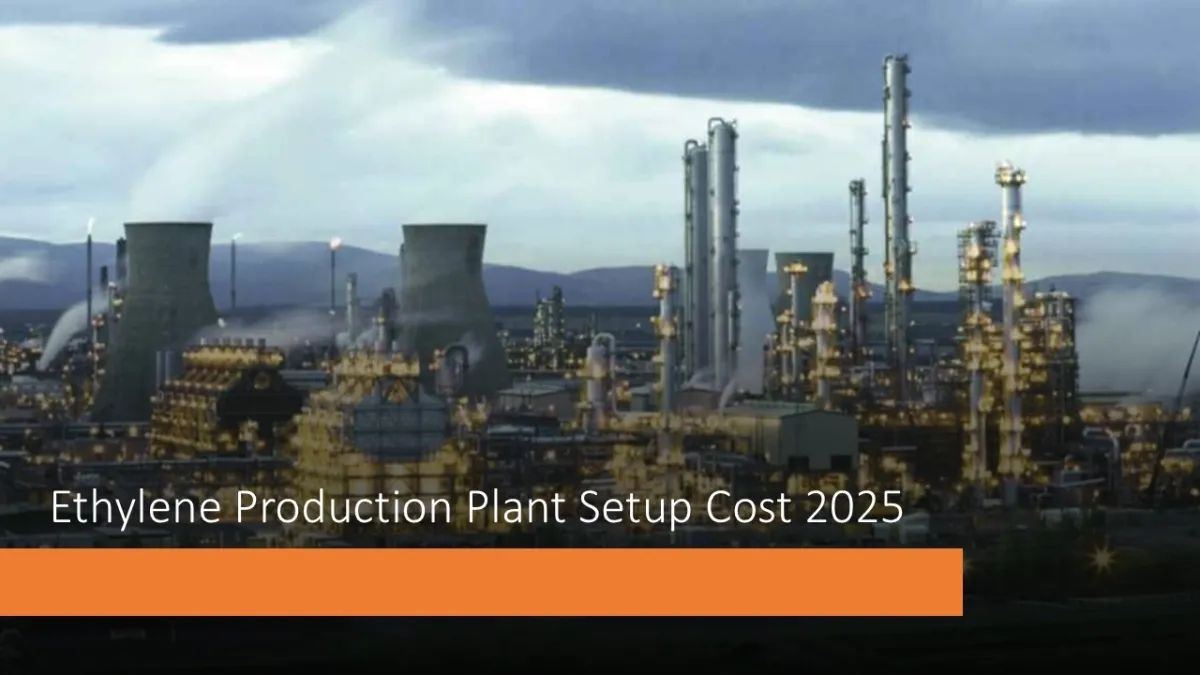
Ethylene Production Plant Setup Cost 2025: Machinery Requirement, Capital Investments And Industry Trends
(MENAFN- IMARC Group)
Ethylene is a simple hydrocarbon gas (C2H4) and the most widely used organic compound in the petrochemical industry. Known as the“building block of the chemical industry,” it is a colourless, flammable gas with a faint sweet odor. Ethylene is primarily produced by steam cracking of hydrocarbons like naphtha or ethane and is a crucial feedstock for manufacturing plastics (such as polyethylene), antifreeze, solvents, and other industrial chemicals. It also plays a natural role as a plant hormone, regulating fruit ripening and growth.
Setting up an ethylene production plant requires advanced infrastructure, steam cracking units, storage systems, safety controls, and reliable access to hydrocarbon feedstock. Careful planning, technology selection, and compliance with environmental regulations are essential for efficient and safe operations.
IMARC Group's report, titled “Ethylene Production Plant Setup Cost 2025: Industry Trends, Plant Setup, Machinery, Raw Materials, Investment Opportunities, Cost and Revenue,” provides a complete roadmap for setting up a Ethylene production plant. It covers a comprehensive market overview to micro-level information such as unit operations involved, raw material requirements, utility requirements, infrastructure requirements, machinery and technology requirements, manpower requirements, packaging requirements, transportation requirements, etc
.
Ethylene Industry Outlook 2025:
The ethylene industry continues to play a central role in the global petrochemical sector, serving as the foundation for producing plastics, chemicals, and industrial materials. Its demand is strongly supported by sectors such as packaging, automotive, construction, and textiles, making it one of the most essential commodities in modern manufacturing. With rapid industrialization in emerging economies and steady consumption in developed regions, ethylene remains a vital driver of economic and industrial growth worldwide. Looking ahead to 2025, the industry faces both opportunities and challenges. Expanding production capacity, especially in Asia and the Middle East, is reshaping the global supply landscape, while cost advantages in regions with abundant feedstock continue to influence competitiveness. At the same time, sustainability pressures are driving innovation, with companies exploring cleaner technologies and alternative production methods. Balancing growing demand, evolving regulations, and efficiency improvements, the ethylene industry is positioned for continued relevance in shaping the future of petrochemicals.
Request for Sample Report: https://www.imarcgroup.com/ethylene-manufacturing-plant-project-report/requestsample
Key Insights for Ethylene production plant Setup:
Detailed Process Flow:
-
Product Overview
Unit Operations Involved
Mass Balance and Raw Material Requirements
Quality Assurance Criteria
Technical Tests
Project Details, Requirements and Costs Involved:
-
Land, Location and Site Development
Plant Layout
Machinery Requirements and Costs
Raw Material Requirements and Costs
Packaging Requirements and Costs
Transportation Requirements and Costs
Utility Requirements and Costs
Human Resource Requirements and Costs
Cethylenetal Expenditure (CapEx) and Operational Expenditure (OpEx) Analysis:
Project Economics:
-
Cethylenetal Investments
Operating Costs
Expenditure Projections
Revenue Projections
Taxation and Depreciation
Profit Projections
Financial Analysis
Profitability Analysis:
-
Total Income
Total Expenditure
Gross Profit
Gross Margin
Net Profit
Net Margin
Request Customization Report: https://www.imarcgroup.com/request?type=report&id=9407&flag=E
Key Cost Components of Setting Up a Ethylene Plant:
-
Land acquisition and site development – Includes purchasing land, leveling, drainage, fencing, and preparing the site for construction.
Plant construction and civil works – Covers building foundations, structural works, warehouses, offices, and all required utility infrastructure.
Machinery and equipment – Major expense including steam crackers, compressors, furnaces, storage tanks, and specialized petrochemical process equipment.
Raw material handling systems – Facilities for secure storage, unloading, and processing of feedstock such as ethane or naphtha.
Utilities and energy systems – Power generation, water treatment, steam boilers, cooling towers, and emergency backup energy solutions.
Safety and environmental compliance – Pollution control devices, emission reduction systems, fire safety installations, and protective monitoring technologies.
Automation and control systems – DCS, SCADA, sensors, and control systems for efficient monitoring and automation of production.
Labor and staffing – Recruitment, training, salaries, and ongoing development of skilled operators, engineers, and management personnel.
Economic Trends Influencing Ethylene Plant Setup Costs 2025 :
-
Feedstock price volatility – Fluctuations in ethane, naphtha, or natural gas prices directly impact raw material and setup planning.
Energy and utility costs – Rising global energy prices increase expenses for power, steam generation, and cooling requirements.
Global inflation pressures – Higher inflation drives up construction, machinery, and labor costs, raising total project expenditure.
Currency exchange fluctuations – Exchange rate instability affects the import cost of equipment, technology, and foreign raw materials.
Interest rates and financing – Elevated borrowing costs influence capital availability, project financing, and overall investment attractiveness.
Supply chain disruptions – Delays in shipping, material shortages, or logistical challenges affect construction timelines and procurement costs.
Technological advancements – Adoption of energy-efficient or sustainable technologies may reduce long-term operating costs but increase initial setup.
Environmental regulations – Stricter emission and sustainability standards require additional investment in compliance systems and green technologies.
Geopolitical dynamics – Trade policies, sanctions, or regional conflicts alter feedstock supply routes and capital investment flows.
Labor market conditions – Shortage of skilled labor in engineering and petrochemicals raises staffing and training costs.
Challenges and Considerations for Investors in Ethylene Plant Projects:
-
High capital intensity – Ethylene plants require significant upfront investment in land, machinery, and advanced infrastructure.
Feedstock availability and pricing – Dependence on stable supplies of ethane, naphtha, or other hydrocarbons influences profitability.
Market volatility – Global supply–demand imbalances, oversupply, and fluctuating ethylene prices can affect returns.
Regulatory compliance – Strict environmental and safety regulations require continuous investment in monitoring and control systems.
Technology selection – Choosing efficient, future-proof production technologies is critical for cost savings and long-term competitiveness.
Energy consumption – Ethylene production is highly energy-intensive, making operational costs sensitive to energy price fluctuations.
Sustainability pressures – Rising demand for greener alternatives pushes investors to explore bio-based or low-carbon production options.
Geopolitical risks – Trade policies, sanctions, and regional instability can disrupt supply chains and global ethylene trade.
Conclusion:
The ethylene industry remains a cornerstone of the global petrochemical sector, offering significant opportunities for growth and long-term returns. However, setting up an ethylene plant requires careful evaluation of economic trends, rising input costs, regulatory pressures, and sustainability challenges. Investors must balance capital-intensive requirements with evolving market dynamics, technological advancements, and regional supply-demand shifts. Success in this sector depends on strategic planning, efficient operations, and adaptability to environmental and market-driven transformations. Ultimately, those who invest with foresight, innovation, and compliance will be best positioned to capture the future potential of the ethylene market.
About Us:
Investing in a Ethylene production plant offers significant growth potential due to rising demand in automotive, aerospace, and industrial sectors. However, high capital requirements, raw material dependence, regulatory compliance, and technological complexity present challenges that require careful planning. Successful investment hinges on strategic site selection, efficient supply chain management, skilled workforce, and adoption of advanced technologies. By addressing market fluctuations, energy costs, and competition proactively, investors can ensure sustainable operations, profitability, and long-term success in the growing ACM industry.
Contact Us:
IMARC Group
134 N 4th St. Brooklyn, NY 11249, USA
Email: sales[@]imarcgroup.com
Tel No:(D) +91 120 433 0800
United States: (+1-201971-6302)

Legal Disclaimer:
MENAFN provides the
information “as is” without warranty of any kind. We do not accept
any responsibility or liability for the accuracy, content, images,
videos, licenses, completeness, legality, or reliability of the information
contained in this article. If you have any complaints or copyright
issues related to this article, kindly contact the provider above.
Most popular stories
Market Research








Comments
No comment