









403
Sorry!!
Error! We're sorry, but the page you were looking for doesn't exist.

China's Property Woes Worsen While Trump Tightens Trade Screws
(MENAFN- Asia Times)
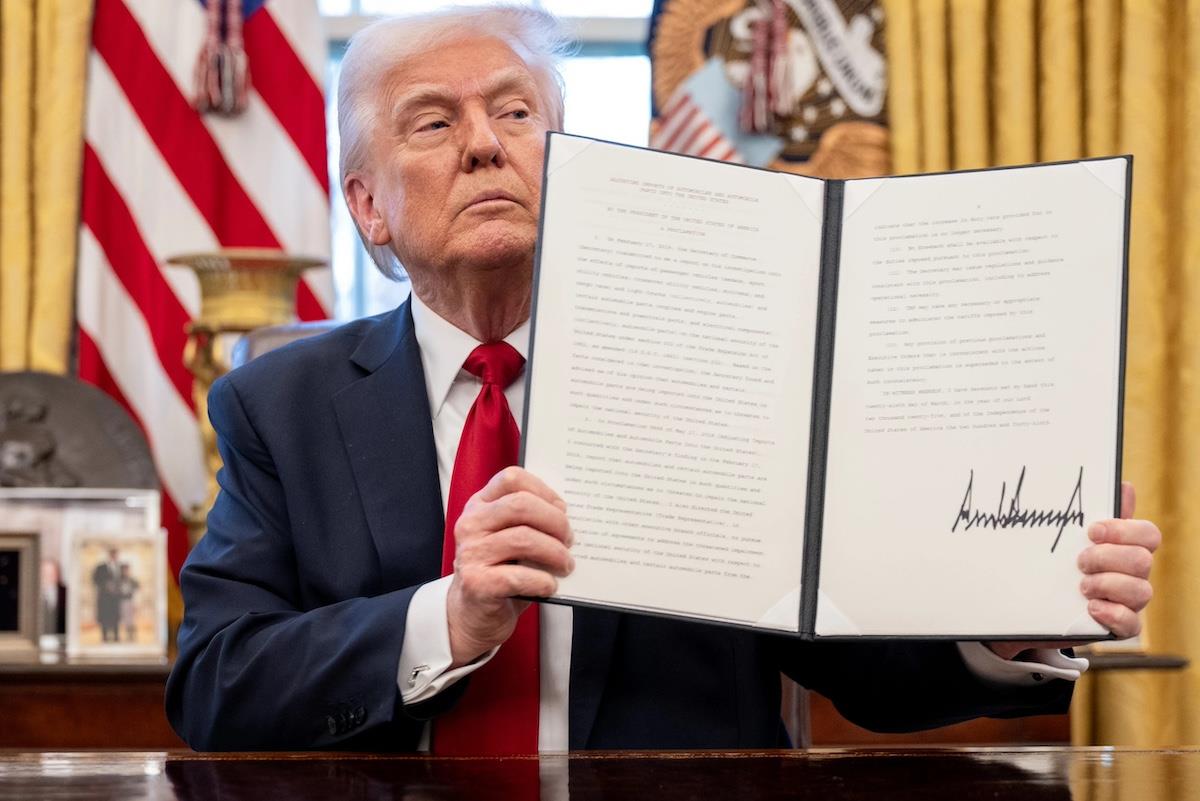
TOKYO - Xi Jinping's inner circle in Beijing has had a busy couple of months popping the champagne corks. Along with China growing 5%-plus as the US economy hits a rough patch, President Xi's team just scored yet another extension on trade talks from Donald Trump.
That means another 90 days of stringing along a US leader who's increasingly anxious for a deal, any deal at all, with Asia's biggest economy.
Only a“grand bargain” with Xi's Communist Party could give Trump scope to convince his supporters that the tariff-driven inflation, market chaos and extreme uncertainty his tariffs have unleashed are all worth it.
Xi knows this desperation will likely enable China to give Trump World very little in the end - just like Japan.
“China believes momentum is on its side because Trump has a stronger desire to sign a deal with Beijing so that he can claim victory and secure a summit with Xi in the fall,” says analyst William Yang at the International Crisis Group.
Yet domestic events are catching up with Beijing, suggesting Xi's inner circle might want to keep the champagne on ice for a while.
China's 5.3% growth rate in the first half of 2025 masks signs that the nation's property crisis continues to fester below the surface. In June, prices of new homes fell 0.27% from May, the most in eight months. It suggests Beijing's stimulus efforts back in September have run out of steam.
What's more, China's 100 biggest developers saw new-home sales plunge by more than 20% for two consecutive months now, according to China Real Estate Information Corp.
And from an economic confidence standpoint, it's never good when China Evergrande Group returns to the news. The developer that came to symbolize China's deflation-causing real estate bust announced that its Hong Kong stock will be delisted this month.
An optimistic take might be that it marks the end of an era China wants to forget. Evergrande's stumble, after all, had Lehman Brothers overtones. Along with distress among builders, the turmoil Evergrande represented had many worrying that China might be headed for a Japan-like malaise.
It's hardly comforting that one of the first major economists to see the crisis coming back in 2021 is waving a warning flag about China's next several months.
UBS Group's John Lam tells Bloomberg that“the sales momentum has become tepid in recent months. If that continues, a recovery will occur later than expected.” Lam notes that home inventory turnover in tier-one cities across China had dropped to an average of 14 months. That's the same level as 2015.

Legal Disclaimer:
MENAFN provides the
information “as is” without warranty of any kind. We do not accept
any responsibility or liability for the accuracy, content, images,
videos, licenses, completeness, legality, or reliability of the information
contained in this article. If you have any complaints or copyright
issues related to this article, kindly contact the provider above.
Most popular stories
Market Research

More Story







Comments
No comment