




403
Sorry!!
Error! We're sorry, but the page you were looking for doesn't exist.
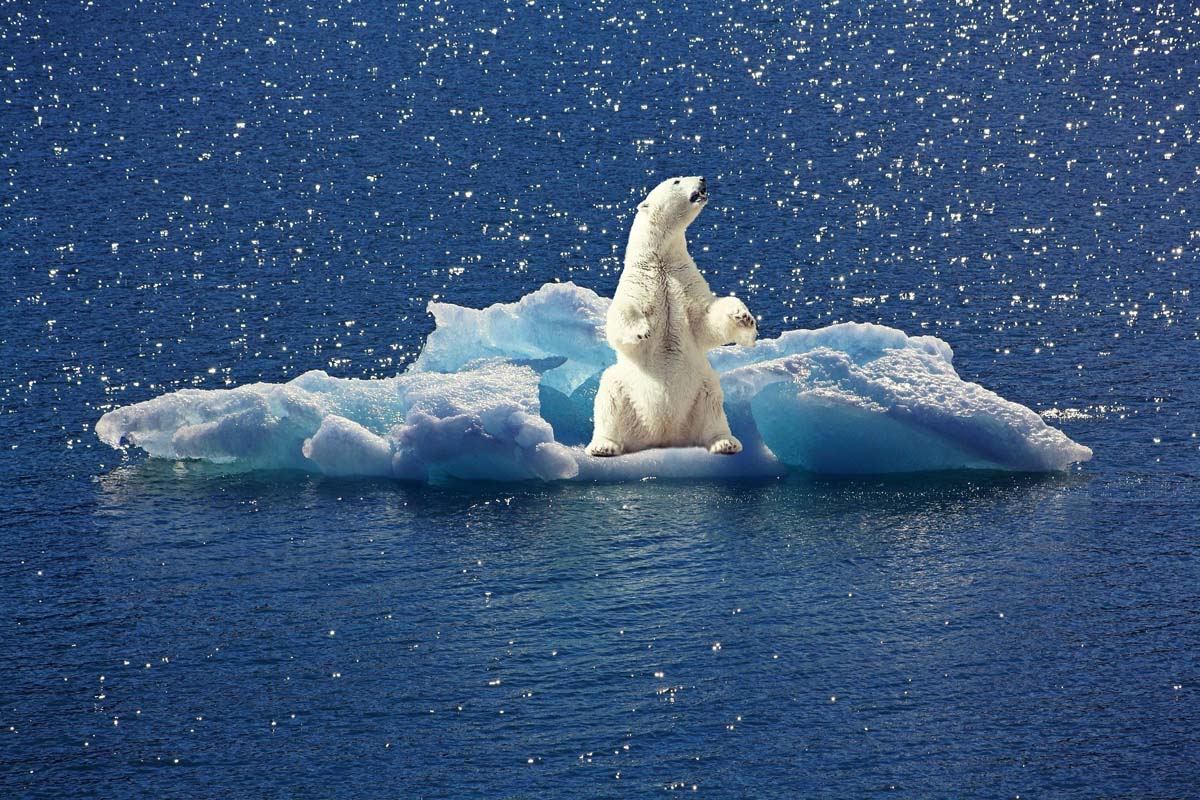
Researchers claim Arctic struck by historic summer heat
(MENAFN) The Arctic has just experienced its warmest summer ever, with temperatures far above average and sea ice levels plunging to near-record lows, according to new research published on the Arctic News blog. Scientists warn the extreme heat is accelerating climate disruption in the region.
Data from the National Snow and Ice Data Center (NSIDC) shows that in July 2025, Arctic temperatures were 3°C above the seasonal norm, resulting in the second-lowest sea ice extent ever recorded. The World Meteorological Organization (WMO) notes the Arctic is warming more than twice as fast as the global average, driving major changes to regional climate patterns and ocean conditions.
On August 5, 2025, sea surface temperatures in the North Atlantic hit 32.8°C, with the Gulf Stream carrying this heat northward and worsening Arctic ice loss. In the Bering Strait, water temperatures reached 20.3°C. Heatwaves, thunderstorms, and rain on sea ice are further accelerating melting, while rising river temperatures add to the problem.
The decline is being fueled by feedback loops such as the albedo effect, in which shrinking ice exposes more dark ocean water that absorbs heat, raising temperatures further. This process also destabilizes permafrost and drives extreme weather events, trends expected to intensify in coming years.
Although freshwater from melting ice and rivers has slightly slowed the rate of melting, scientists warn this is only temporary and will not prevent further rapid sea ice loss as ocean temperatures continue to rise.
Data from the National Snow and Ice Data Center (NSIDC) shows that in July 2025, Arctic temperatures were 3°C above the seasonal norm, resulting in the second-lowest sea ice extent ever recorded. The World Meteorological Organization (WMO) notes the Arctic is warming more than twice as fast as the global average, driving major changes to regional climate patterns and ocean conditions.
On August 5, 2025, sea surface temperatures in the North Atlantic hit 32.8°C, with the Gulf Stream carrying this heat northward and worsening Arctic ice loss. In the Bering Strait, water temperatures reached 20.3°C. Heatwaves, thunderstorms, and rain on sea ice are further accelerating melting, while rising river temperatures add to the problem.
The decline is being fueled by feedback loops such as the albedo effect, in which shrinking ice exposes more dark ocean water that absorbs heat, raising temperatures further. This process also destabilizes permafrost and drives extreme weather events, trends expected to intensify in coming years.
Although freshwater from melting ice and rivers has slightly slowed the rate of melting, scientists warn this is only temporary and will not prevent further rapid sea ice loss as ocean temperatures continue to rise.

Legal Disclaimer:
MENAFN provides the
information “as is” without warranty of any kind. We do not accept
any responsibility or liability for the accuracy, content, images,
videos, licenses, completeness, legality, or reliability of the information
contained in this article. If you have any complaints or copyright
issues related to this article, kindly contact the provider above.
Most popular stories
Market Research

More Story








Comments
No comment