







403
Sorry!!
Error! We're sorry, but the page you were looking for doesn't exist.
Scientists Find 74-Million-Year-Old Mammal Fossil In Chile
(MENAFN- The Peninsula)
AFP
Santiago: Scientists have discovered the fossil of a tiny mouse-sized mammal that lived in the time of the dinosaurs in Chilean Patagonia.
"Yeutherium pressor" weighed between 30 and 40 grams (about one ounce) and lived in the Upper Cretaceous period, about 74 million years ago.
It is the smallest mammal ever found in this region of South America, dating back to the era when it was part of a continental land mass known as Gondwana.
Read Also-
A rare jaguar roams Arizona. Border wall expansion imperils its future.
Five astronauts leave space station for trip back to Earth
Third-hottest July on record wreaks climate havoc
The fossil consists of "a small piece of jaw with a molar and the crown and roots of two other molars," said Hans Puschel, who led the team of scientists from the University of Chile and
Chile's Millennium Nucleus research center on early mammals.
The discovery was published this month in the British scientific journal Proceedings of the Royal Society B.
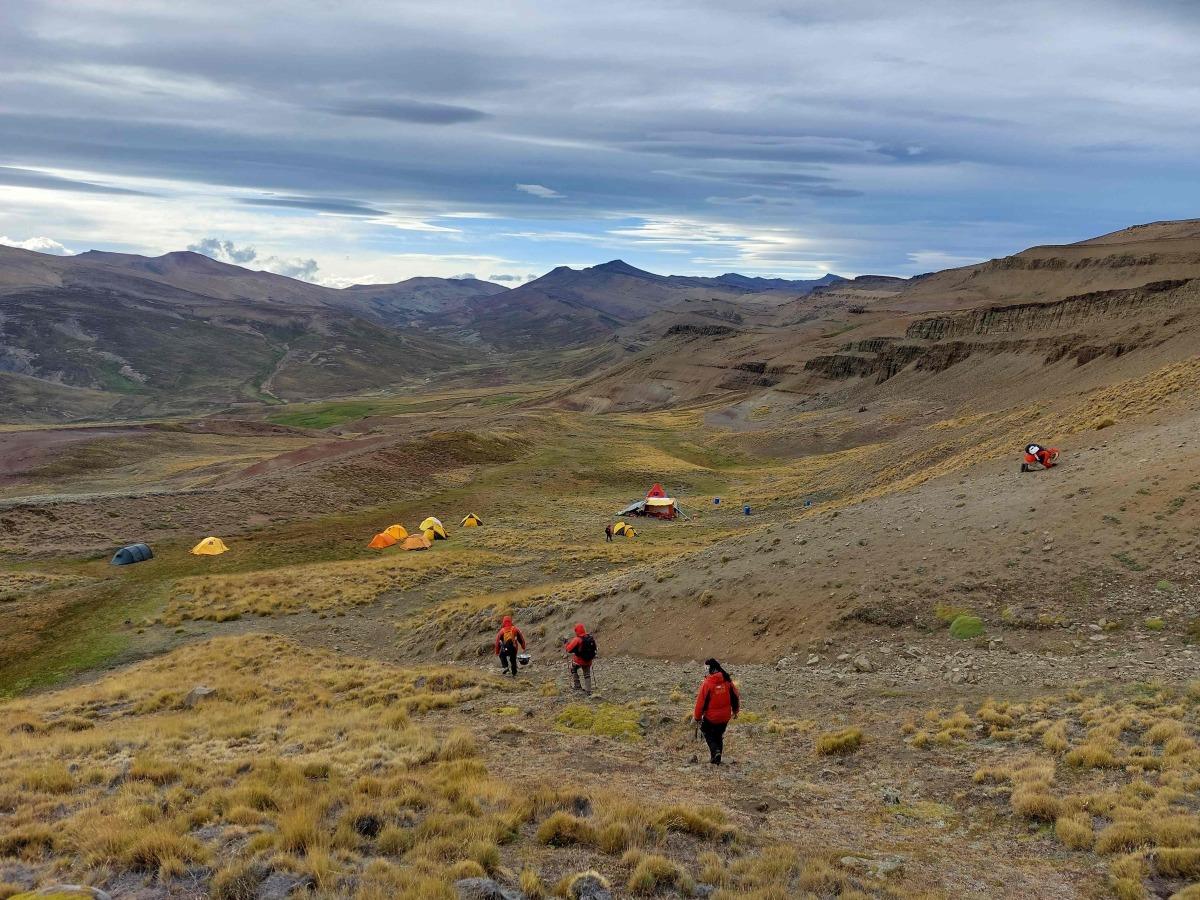
Researchers found the fossil in the Rio de las Las Chinas Valley in Chile's Magallanes region, about 3,000 kilometers (1,864 miles) south of Santiago.
Despites its similarity to a small rodent, "Yeutherium pressor" was a mammal that must have laid eggs, like the platypus, or carried its young in a pouch like kangaroos or opossums.
The shape of its teeth suggests that it probably had a diet of relatively hard vegetables.
Just like the dinosaurs with whom it co-existed, the tiny mammal abruptly went extinct at the end of the Cretaceous period, about 66 million years ago.

Legal Disclaimer:
MENAFN provides the
information “as is” without warranty of any kind. We do not accept
any responsibility or liability for the accuracy, content, images,
videos, licenses, completeness, legality, or reliability of the information
contained in this article. If you have any complaints or copyright
issues related to this article, kindly contact the provider above.
Most popular stories
Market Research

More Story








Comments
No comment