







403
Sorry!!
Error! We're sorry, but the page you were looking for doesn't exist.
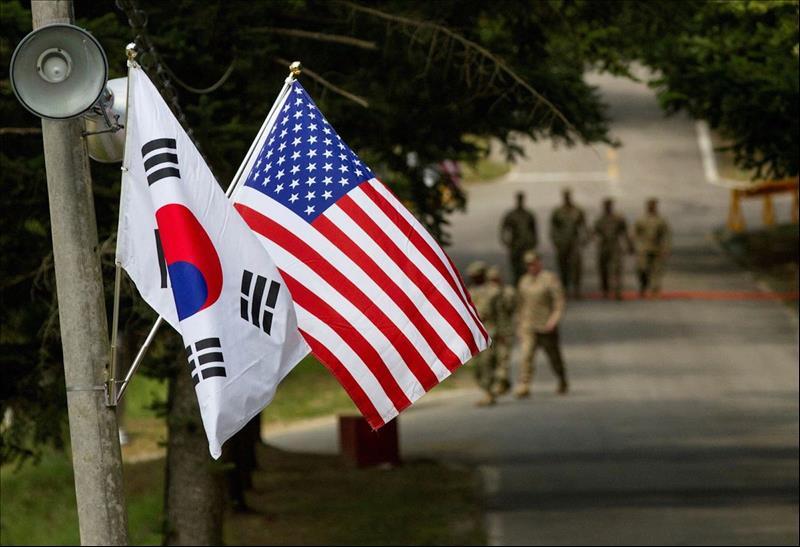
US-Korea Alliance In The Shadow Of Trump's Transactionalism
(MENAFN- Asia Times)
After several months of grueling negotiations, South Korea finally reached a trade agreement with the United States. On July 30, US President Donald Trump announced that Washington will charge a 15% tariff on imports from Seoul, bringing the rate down from an earlier threatened 25%.
While a written agreement is yet to be concluded, the initial details of the terms state that South Korea would invest US$350 billion in“US projects”, including $200 billion in strategic industries such as semiconductors and $150 billion in a shipbuilding partnership.
Furthermore, according to US Commerce Secretary Howard Lutnick, Seoul will make $100 billion worth of energy purchases over the next 3.5 years, including“LNG, LPG, crude oil and a small amount of coal.”
South Korea's route to a favorable agreement has been fraught with challenges. A lack of clarity in the tariff regime and the Trump administration's increasingly transactional approach to diplomacy made it difficult for Seoul to chalk out a predictable course to trade negotiations.
Moreover, rather than prioritizing consistent trade terms for allies, the United States has focused on maintaining conditionality in tariff relief on various economic and strategic concessions ranging from the removal of trade barriers to increased purchases of US-made goods.
South Korean officials have, thus far, navigated a complicated and ambiguous negotiation landscape. Due to the deal's unresolved terms, there are concerns in Seoul that Washington might seek to leverage security commitments, including its extended deterrence, as a bargaining chip for extracting further concessions.

Legal Disclaimer:
MENAFN provides the
information “as is” without warranty of any kind. We do not accept
any responsibility or liability for the accuracy, content, images,
videos, licenses, completeness, legality, or reliability of the information
contained in this article. If you have any complaints or copyright
issues related to this article, kindly contact the provider above.
Most popular stories
Market Research

More Story







Comments
No comment