




403
Sorry!!
Error! We're sorry, but the page you were looking for doesn't exist.
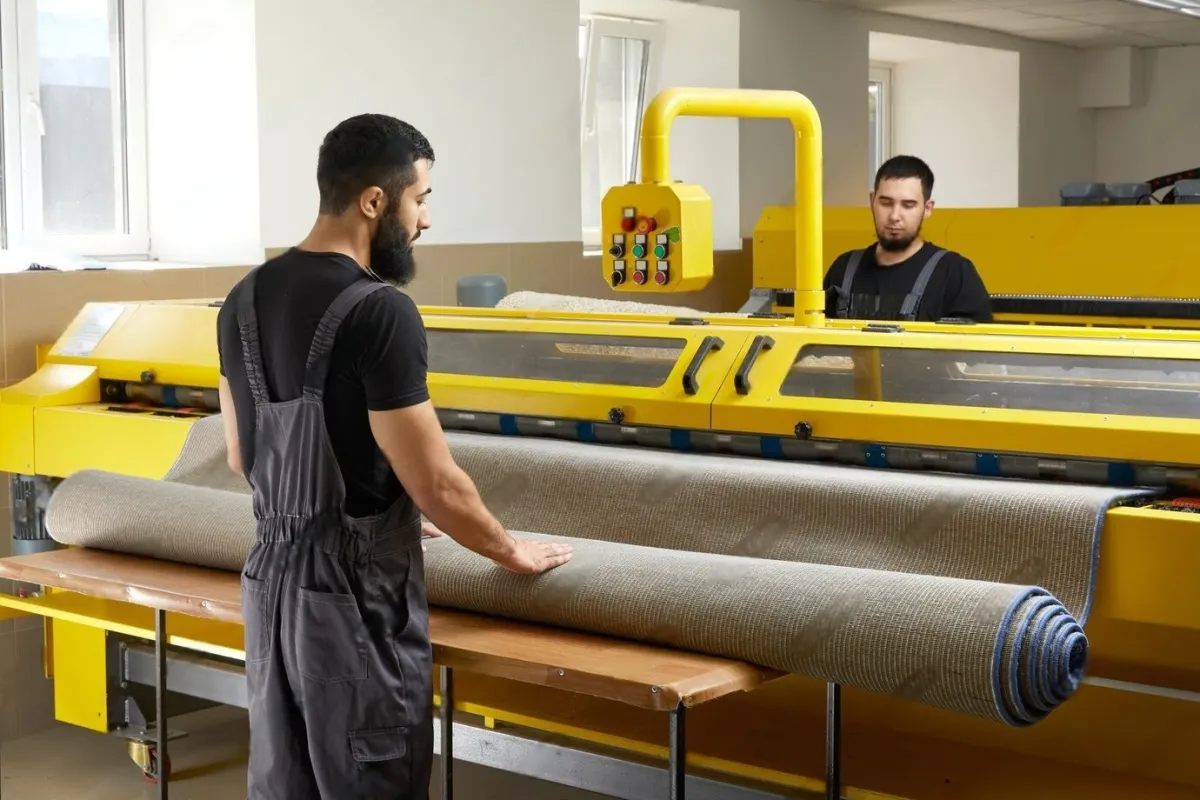
Carpet Manufacturing Plant Report 2025: Unit Operations, Machinery Requirements And Cost Analysis
(MENAFN- IMARC Group)
Carpet is a textile floor covering typically made from woven or tufted fibers, such as wool, nylon, polyester, or polypropylene, attached to a backing material. It serves both functional and decorative purposes, offering comfort underfoot, insulation, and noise reduction, while enhancing interior aesthetics. Carpets come in various styles, colors, and textures, catering to residential, commercial, and industrial applications.
Setting up a carpet manufacturing plant involves acquiring suitable machinery for tufting, dyeing, and finishing, as well as sourcing raw materials like yarn and backing fabrics. Key considerations include location, labor availability, utility access, and compliance with environmental and safety regulations.
IMARC Group's report, titled “ Carpet Manufacturing Plant Project Report 2025: Industry Trends, Plant Setup, Machinery, Raw Materials, Investment Opportunities, Cost and Revenue,” provides a complete roadmap for setting up a carpet manufacturing plant. It covers a comprehensive market overview to micro-level information such as unit operations involved, raw material requirements, utility requirements, infrastructure requirements, machinery and technology requirements, manpower requirements, packaging requirements, transportation requirements, etc.
Request for a Sample Report : https://www.imarcgroup.com/carpet-manufacturing-plant-project-report/requestsample
Carpet Industry outlook 2025:
The carpet industry outlook for 2025 remains positive, driven by rising demand in both residential and commercial sectors, particularly in emerging markets. Urbanization, increasing disposable incomes, and growth in renovation and interior design trends are fueling market expansion. Technological advancements in sustainable and stain-resistant materials are also enhancing product appeal. Additionally, the global shift toward eco-friendly and recyclable flooring solutions is prompting manufacturers to innovate in green carpet production. The industry is expected to benefit from strong e-commerce growth, allowing wider consumer reach. Overall, the market is projected to witness steady growth, with Asia-Pacific and North America as key contributors.
Key Insights for Carpet Manufacturing Plant Setup:
Detailed Process Flow:
-
Product Overview
Unit Operations Involved
Mass Balance and Raw Material Requirements
Quality Assurance Criteria
Technical Tests
Project Details, Requirements and Costs Involved:
-
Land, Location and Site Development
Plant Layout
Machinery Requirements and Costs
Raw Material Requirements and Costs
Packaging Requirements and Costs
Transportation Requirements and Costs
Utility Requirements and Costs
Human Resource Requirements and Costs
Capital Expenditure (CapEx) and Operational Expenditure (OpEx) Analysis:
Project Economics:
-
Capital Investments
Operating Costs
Expenditure Projections
Revenue Projections
Taxation and Depreciation
Profit Projections
Financial Analysis
Profitability Analysis:
-
Total Income
Total Expenditure
Gross Profit
Gross Margin
Net Profit
Net Margin
Key Cost Components of Setting Up a Carpet Plant :
-
Land and Infrastructure: Cost of purchasing or leasing land, factory construction, utilities setup, and facility layout.
Machinery and Equipment: Investment in tufting machines, dyeing units, backing and shearing machines, and finishing equipment.
Raw Materials: Procurement of yarn (wool, nylon, polyester, polypropylene), backing materials, dyes, and adhesives.
Labor Costs: Salaries for skilled and unskilled workers, management staff, and associated training expenses.
Utilities and Maintenance: Electricity, water, waste management, and regular maintenance of machines and plant operations.
Licensing and Compliance: Costs related to regulatory approvals, environmental permits, and safety certifications.
Logistics and Distribution: Expenses for warehousing, transportation, and supply chain management.
Technology and Automation: Investment in ERP systems, quality control tools, and process automation solutions.
Marketing and Branding: Budget for product promotion, packaging design, and market entry strategies.
Economic Trends Influencing Carpet Plant Setup Costs 2025 :
-
Raw Material Price Volatility: Fluctuations in the cost of synthetic and natural fibers, driven by global supply chain disruptions and energy prices, directly impact procurement budgets.
Inflationary Pressures: Rising costs of construction materials, labor, and utilities due to inflation contribute to higher overall capital expenditure.
Interest Rate Trends: Elevated interest rates increase the cost of financing for plant setup, affecting loan repayments and investment decisions.
Global Trade Dynamics: Changes in tariffs, import/export regulations, and currency exchange rates influence the cost of imported machinery and raw materials.
Energy Transition Policies: Shifts toward sustainable energy sources and regulatory mandates for carbon-neutral production may require additional investment in green technologies.
Technological Advancements: Adoption of automation and smart manufacturing increases upfront costs but may lower long-term operational expenses.
Labor Market Shifts: Shortages in skilled labor and rising wage demands in key manufacturing hubs affect operational planning and cost structures.
Challenges and Considerations for Investors in Carpet Plant Projects:
-
Capital Intensity: High initial investment in land, machinery, and infrastructure requires substantial financial planning and access to funding.
Market Competition: Intense competition from established domestic and international manufacturers can impact pricing strategies and market share.
Raw Material Dependency: Reliance on imported fibers or petroleum-based synthetics can expose operations to global supply chain risks and price fluctuations.
Regulatory Compliance: Navigating complex environmental, labor, and industrial regulations adds to project timelines and operational costs.
Technological Obsolescence: Rapid innovation in manufacturing techniques and materials demands continuous upgrades to remain competitive.
Skilled Labor Availability: Finding and retaining trained personnel for specialized roles can be challenging in certain regions.
Sustainability Expectations: Increasing demand for eco-friendly products requires investment in sustainable practices and certifications.
Distribution and Logistics: Efficient supply chain management is critical to minimize costs and ensure timely delivery to markets.
Economic Uncertainty: Global and regional economic shifts can influence consumer demand, investment returns, and expansion potential.
Conclusion:
Establishing a carpet manufacturing plant presents a promising investment opportunity, supported by growing global demand, evolving interior design trends, and advancements in sustainable production. However, investors must navigate significant capital requirements, regulatory complexities, and market competition. Strategic planning, careful assessment of economic conditions, and investment in modern technologies are essential for long-term viability. By addressing key challenges and aligning operations with industry trends, investors can position themselves to capitalize on the carpet industry's growth trajectory in 2025 and beyond.
Browse Full Report : https://www.imarcgroup.com/carpet-manufacturing-plant-project-report
About Us:
IMARC Group is a global management consulting firm that helps the world's most ambitious changemakers to create a lasting impact. The company excel in understanding its client's business priorities and delivering tailored solutions that drive meaningful outcomes. We provide a comprehensive suite of market entry and expansion services. Our offerings include thorough market assessment, feasibility studies, company incorporation assistance, factory setup support, regulatory approvals and licensing navigation, branding, marketing and sales strategies, competitive landscape, and benchmarking analyses, pricing and cost research, and procurement research.
Contact Us:
IMARC Group
134 N 4th St. Brooklyn, NY 11249, USA
Email: sales[@]imarcgroup.com
Tel No:(D) +91 120 433 0800
United States: (+1-201971-6302)

Legal Disclaimer:
MENAFN provides the
information “as is” without warranty of any kind. We do not accept
any responsibility or liability for the accuracy, content, images,
videos, licenses, completeness, legality, or reliability of the information
contained in this article. If you have any complaints or copyright
issues related to this article, kindly contact the provider above.
Most popular stories
Market Research

More Story








Comments
No comment