








403
Sorry!!
Error! We're sorry, but the page you were looking for doesn't exist.
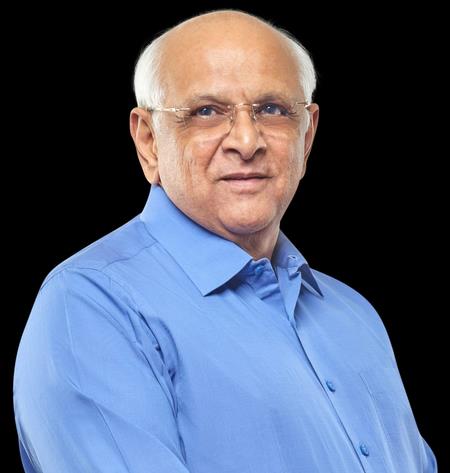
SVAMITVA Yojana: Gujarat Govt Waives Rs 200 Fee, To Issue Rural Property Sanads Free Of Cost
(MENAFN- IANS) Gandhinagar, July 21 (IANS) The Gujarat government has announced that ownership certificates (Sanads) under the SVAMITVA Yojana will now be issued free of cost. The decision, taken by Chief Minister Bhupendra Patel, eliminates the previously mandatory Rs 200 fee, easing the financial burden on around 25 lakh rural beneficiaries across the state.
The move aligns with the SVAMITVA (Survey of Villages and Mapping with Improvised Technology in Village Areas) Yojana, a nationwide initiative launched under the guidance of Prime Minister Narendra Modi and implemented by the Ministry of Panchayati Raj.
The scheme uses drone technology to map inhabited village lands and issue official property cards -- a step toward formalising ownership and reducing land disputes in rural India.
With the waiver of the Rs 200 survey fee under the Land Revenue Act, 1879, Gujarat becomes one of the first states to provide both the property card and Sanad completely free to rural residents. The state government has allocated an estimated Rs 50 crore to implement this initiative and ensure broad access to legal property documentation.
Officials stated that this citizen-centric policy especially benefits the small, poor, and middle-income households in rural areas, removing cost barriers that often hinder access to legal ownership rights. Beyond financial relief, the scheme is expected to enhance rural empowerment by improving land record accuracy, facilitating smoother taxation processes, and minimising legal disputes.
The Sanads will serve as formal proof of ownership, thereby opening up avenues for bank loans, inheritance claims, and secure investments for rural property holders.
As of mid-2025, approximately 42.2 million people, or about 57.4 per cent of Gujarat's total population, live in rural areas, reflecting the state's deep agrarian and village-based roots. Despite rapid urbanisation, a majority of Gujaratis still reside in villages, where challenges like lower literacy rates -- especially among women -- and limited access to formal ownership documents persist.
Rural Gujarat is not just a demographic majority but also a vital contributor to the state's economy, culture, and social fabric. With agriculture as the mainstay for a large section of the population, issues like land ownership, infrastructure, and financial inclusion remain central to rural development.

Legal Disclaimer:
MENAFN provides the
information “as is” without warranty of any kind. We do not accept
any responsibility or liability for the accuracy, content, images,
videos, licenses, completeness, legality, or reliability of the information
contained in this article. If you have any complaints or copyright
issues related to this article, kindly contact the provider above.
Most popular stories
Market Research

More Story




Comments
No comment