




403
Sorry!!
Error! We're sorry, but the page you were looking for doesn't exist.
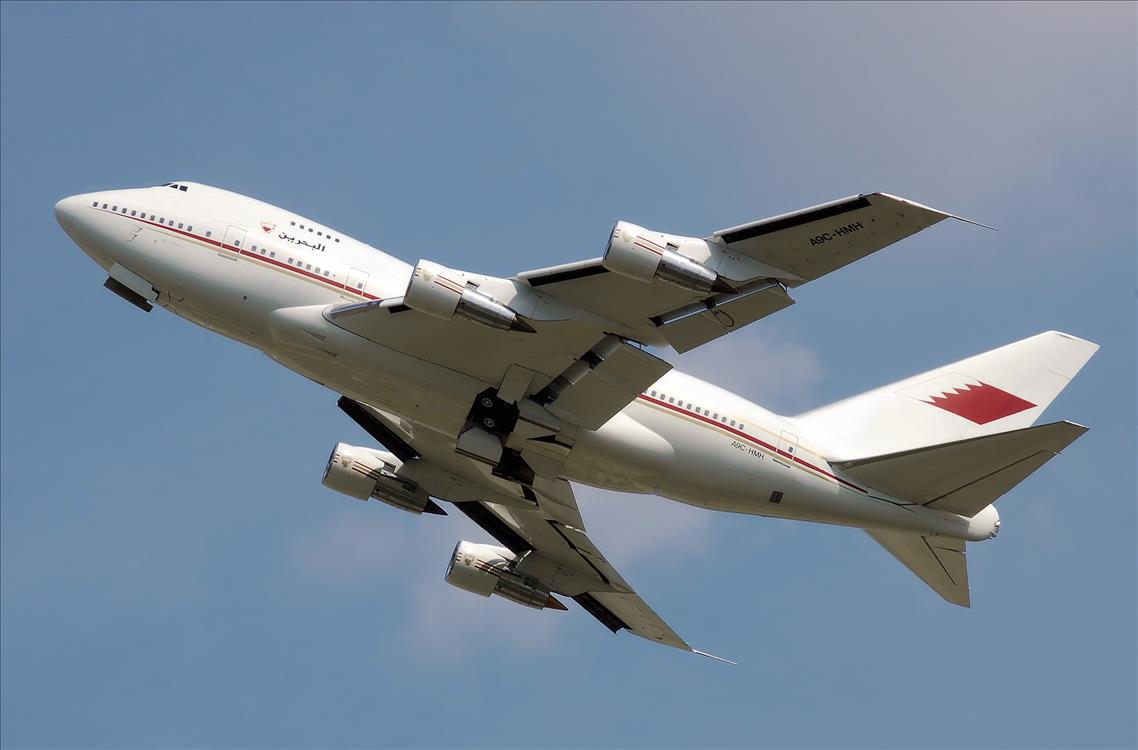
Bahrain Seals $17 Billion Investment Deal In US
(MENAFN- The Arabian Post)
Arabian Post Staff -Dubai
Bahrain's Crown Prince Salman bin Hamad Al Khalifa has unveiled a $17 billion investment plan in the United States following a high-level meeting with President Donald Trump at the White House. The announcement signals deepening economic and strategic ties between Manama and Washington, with deals cutting across aviation, energy, and defence sectors.
A key feature of the plan includes a contract worth approximately $7 billion under which Gulf Air, Bahrain's flag carrier, will purchase 12 Boeing aircraft. The agreement also includes an option for six additional planes and 40 aircraft engines from General Electric. The deal was presented as a tangible outcome of bilateral discussions, reinforcing Bahrain's commitment to US industry and technology.
Crown Prince Salman described the deals as“real” and economically sound, addressing scepticism often associated with foreign investment pledges. The statement, made from the Oval Office, was aimed at highlighting the financial credibility of the agreements.“These aren't fake deals,” he remarked, drawing a sharp contrast with previously publicised but unfulfilled investment promises by other nations.
The Bahraini leader's Washington visit followed a similar pattern to President Trump's earlier engagement with Saudi Arabia, during which over $600 billion in US investment commitments were secured. Trump had also finalised a $142 billion arms agreement with Riyadh. Bahrain's announcement is now being viewed as a strategic move to bolster its position as a reliable economic and security partner of the United States.
The investment plan is expected to deliver significant economic dividends to both countries. For the US, the immediate impact would be in job creation, especially across Boeing's manufacturing facilities and GE's industrial operations. For Bahrain, the plan strengthens access to cutting-edge aviation technology and helps modernise its national infrastructure in both civil and defence aviation.
See also Iran's Oil Surge Defies Conflict and SanctionsThe timing of the announcement also reflects the evolving regional security dynamics in the Gulf. Iran's influence and the broader geopolitical situation were key discussion points during the White House meeting. Bahrain, which hosts the US Navy's Fifth Fleet, has remained a close military ally to Washington. The investment commitment not only serves economic purposes but also underscores Bahrain's alignment with US strategic objectives in the Middle East.
Observers note that the choice of sectors-aviation, defence technology, and energy-signals Bahrain's intent to link its national growth trajectory with American innovation and industrial capability. Gulf Air's fleet expansion through Boeing jets and GE engines is viewed as a cornerstone of this agenda. Beyond the aviation component, additional investment is expected in energy-related projects and advanced technology, although specific agreements in these areas are yet to be publicly detailed.
The financial scope of the investment echoes previous patterns of engagement between Gulf monarchies and US administrations. Bahrain's capital injection arrives amid growing competition among Gulf states seeking to secure American technological partnerships and defence cooperation, while positioning themselves as key regional intermediaries.
For President Trump, who had prioritised foreign investment in US manufacturing and defence during his tenure, the $17 billion figure plays into the broader narrative of restoring domestic industrial capacity through global alliances. It also fits into the administration's push for balancing trade relationships and encouraging allies to contribute more significantly to US economic interests.
Strategic analysts have pointed out that the Gulf kingdom's outreach comes at a time when regional alliances are undergoing shifts. Bahrain has been at the forefront of some of the Arab world's diplomatic realignments, including its role in the Abraham Accords. The alignment with US economic and security goals could further consolidate its position as a trusted partner in American foreign policy planning for the Gulf.
See also Gulf Airspace Shockwaves Prompt More Re-routingsCrown Prince Salman's visit marked the continuation of a trend where Middle Eastern states use bilateral state visits to announce substantial investment projects. These announcements serve dual purposes: generating domestic political capital for US leaders while allowing foreign partners to project influence and economic modernisation.
Washington policymakers have signalled approval of the deals, suggesting that the partnership with Bahrain could deepen further in sectors such as infrastructure development, cyber-security, and military training. While the specifics of such cooperation are yet to materialise in binding agreements, the tone from both capitals points toward an expanding strategic partnership.
Notice an issue? Arabian Post strives to deliver the most accurate and reliable information to its readers. If you believe you have identified an error or inconsistency in this article, please don't hesitate to contact our editorial team at editor[at]thearabianpost[dot]com . We are committed to promptly addressing any concerns and ensuring the highest level of journalistic integrity.
Legal Disclaimer:
MENAFN provides the
information “as is” without warranty of any kind. We do not accept
any responsibility or liability for the accuracy, content, images,
videos, licenses, completeness, legality, or reliability of the information
contained in this article. If you have any complaints or copyright
issues related to this article, kindly contact the provider above.
Most popular stories
Market Research

More Story





Comments
No comment