







403
Sorry!!
Error! We're sorry, but the page you were looking for doesn't exist.
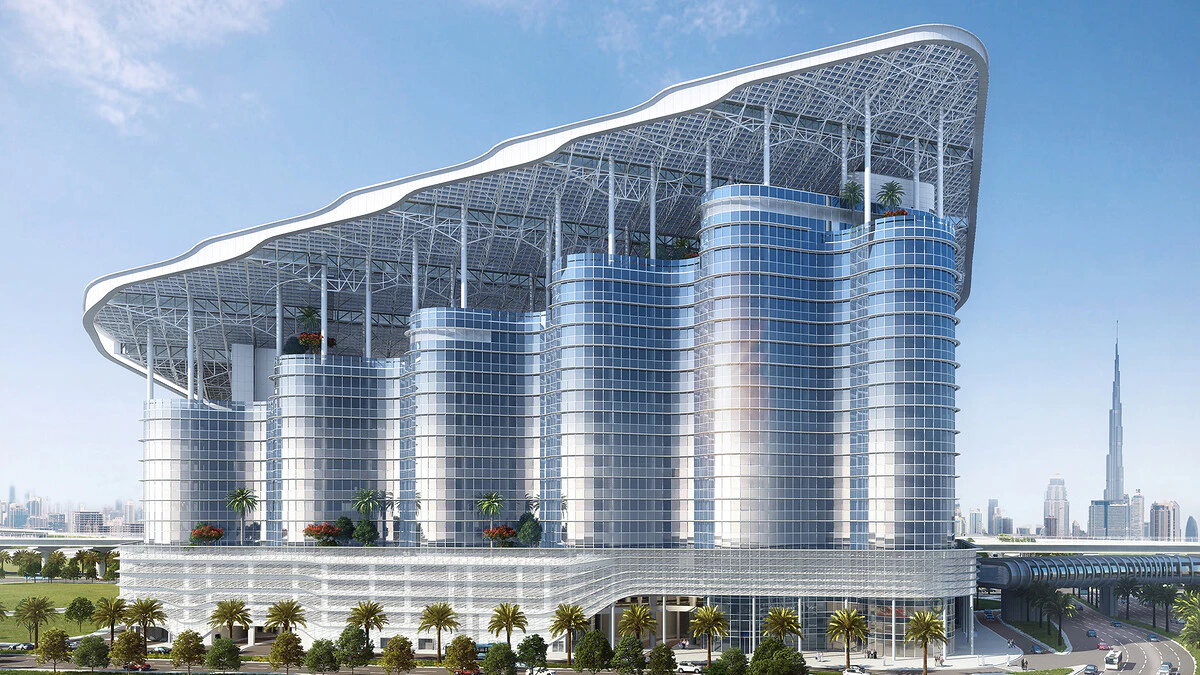
DEWA Unleashes AI To Revolutionise Dubai's Energy Distribution
(MENAFN- The Arabian Post)
Dubai Electricity and Water Authority has accelerated its implementation of artificial intelligence across its energy distribution network, marking a pivotal moment in its broader digital transformation agenda. This strategic push harnesses AI to elevate operational efficiency, boost service reliability, and enhance customer experience in alignment with Dubai's ambitious smart city vision.
At the heart of this effort is DEWA's Distribution Network Smart Centre, which processes over 15 million data points daily. Leveraging big data, machine learning, and AI analytics, the centre produces real-time dashboards and diagnostic tools. These insights support predictive maintenance, prompt fault detection, and quicker restoration of service, ensuring reduced disruption for consumers.
DEWA's investment in a robust smart infrastructure is backed by AED 7 billion committed to its smart grid strategy through 2035. This network upgrade enables 100% of consumers to access smart metering-over 1.2 million electricity meters and 1.1 million water meters-cementing Dubai's status as a digitally advanced metropolis.
HE Saeed Mohammed Al Tayer, MD & CEO of DEWA, emphasised the impact, stating that the swift, proactive maintenance enabled by AI has helped achieve one of the lowest rates of customer minutes lost globally-just 0.94 minutes per customer in 2024, far outperforming the 15-minute average observed among leading European utilities.
The smart grid structure comprises 69 high-voltage substations and approximately 45,317 medium-voltage substations. These nodes, integrated within an AI-supported network, serve as crucial distribution points and are central to DEWA's capacity to meet surging energy demand from Dubai's fast-paced urbanisation.
This year, DEWA launched two AI-driven tools to aid its engineering workforce. The Material Insights Agent offers real-time analysis for solar energy project planning, while the BRD Generator automates the creation of business requirements documents, reducing administrative overhead and expediting decision-making.
See also Middle East M&A Set to Wobble Amid Tariff‐Driven VolatilityThis practical AI toolkit aligns with DEWA's strategic roadmap to become the world's first“AI-native” utility. Since March 2025, the organisation has embedded AI across its core operations, reflecting a systemic shift towards data-driven governance and service delivery.
Internationally, DEWA's smart grid strategy is recognised for delivering superior performance in key benchmarks. As of December 2024, its infrastructure recorded electricity transmission and distribution losses of just 2%, compared with 6–7% in Europe and North America. Water distribution losses were cut to 4.6%, considerably lower than the near 15% typically observed in North America.
Automated technologies, such as the Automatic Smart Grid Restoration System, operate continuously to isolate faults and restore supply without human intervention-an innovation unique to the Middle East and North Africa region.
DEWA's transformation aligns closely with the UAE National Strategy for Artificial Intelligence 2031 and the directives of HH Sheikh Mohammed bin Rashid Al Maktoum, aiming to cement Dubai's global leadership in AI adoption.
Beyond infrastructure and internal efficiency, DEWA's AI initiatives deliver tangible customer benefits. Smart meters enable instant high-usage alerts for water leaks, environmental alerts, and optimised billing. From 2019 to 2023, the smart water meter platform detected over 1.8 million water leaks-saving resources and reducing costs.
DEWA's comprehensive deployment of AI and smart grid technologies echoes the governing principles of the Fourth Industrial Revolution. Its online dashboards, analytics portals and automated diagnostics signify a shift from reactive to proactive utility service management, reducing downtime and improving performance metrics.
The utility's commitment to sustainability is evident in its efficiency gains: grid losses and customer minutes lost metrics not only ensure a reliable experience but also contribute to energy conservation and lower carbon emissions.
See also Middle‐East Strife Drives Oil Above $76 Per BarrelIn practical terms, the AI-enabled grid means faster response times, fewer outages, better asset management and improved demand forecasting. The smart meters, coupled with analytics tools, supply actionable data for both DEWA and consumers, enabling smarter energy consumption and billing accuracy.
Dubai's rapid urban expansion-evident in its residential, commercial and tourism development-necessitates a resilient, intelligent utility infrastructure. DEWA's leveraging of AI, predictive analytics and smart metering positions the emirate to manage this growth sustainably while maintaining service excellence.
Notice an issue? Arabian Post strives to deliver the most accurate and reliable information to its readers. If you believe you have identified an error or inconsistency in this article, please don't hesitate to contact our editorial team at editor[at]thearabianpost[dot]com . We are committed to promptly addressing any concerns and ensuring the highest level of journalistic integrity.
Legal Disclaimer:
MENAFN provides the
information “as is” without warranty of any kind. We do not accept
any responsibility or liability for the accuracy, content, images,
videos, licenses, completeness, legality, or reliability of the information
contained in this article. If you have any complaints or copyright
issues related to this article, kindly contact the provider above.
Most popular stories
Market Research

More Story






Comments
No comment