




403
Sorry!!
Error! We're sorry, but the page you were looking for doesn't exist.
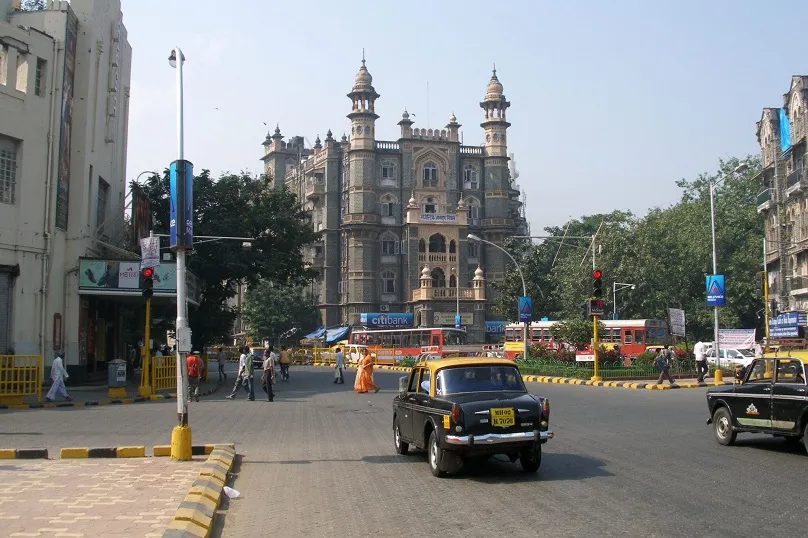
Bharat Bandh Likely To Hit Public Services Hard
(MENAFN- Kashmir Observer) New Delhi- India is bracing for a nationwide Bharat Bandh on Wednesday, July 9, as over 25 crore workers, farmers, and rural labourers are set to strike against what they call the central government's“anti-worker, anti-farmer, and pro-corporate” policies. The general strike has been organised by a joint platform of 10 central trade unions in collaboration with farmers' and rural workers' organisations, including the Samyukta Kisan Morcha.
Major Sectors to Be Affected
The strike is expected to paralyse several critical services across the country. Public sector and cooperative banks, insurance offices, postal services, coal mining operations, factories, and state-run transport services are likely to be hit. According to Amarjeet Kaur of the All India Trade Union Congress (AITUC), more than 25 crore participants are anticipated to join the nationwide action.
The All India Bank Employees Association (AIBEA) has confirmed its participation, warning that services such as cheque clearance, customer support, and in-branch transactions may be severely impacted. Harbhajan Singh Sidhu of the Hind Mazdoor Sabha noted that the disruption will extend to public transport, including buses and possibly even app-based taxi services, as protest marches and road blockades are planned in several cities.
Core Issues and DemandsAt the centre of the agitation is a 17-point charter of demands submitted to Labour Minister Mansukh Mandaviya last year. The unions accuse the government of not only ignoring these demands but also failing to convene the Indian Labour Conference for the past decade, which they say reflects a systematic neglect of the country's labour force.
Among the key issues raised by the unions are:
Read Also Protests Mark Opening Of Durbar In Jammu, Lawyers Strike Enters 4th Day Jammu Lawyers Go On Strike, Courts Hit-
Opposition to the four labour codes, which they argue undermine workers' rights and collective bargaining.
Rising unemployment and stagnant wages.
Escalating prices of essential commodities.
Cuts in public spending on health, education, and welfare.
Increasing economic inequality.
A shift in recruitment policy within government departments, favouring the reappointment of retired personnel over the hiring of young professionals, particularly in sectors such as Railways, NMDC Ltd, steel, and education.
Organisers report months of intensive preparation across both formal and informal sectors to ensure maximum participation. Workers from various industries have pledged solidarity, and rural movements are expected to hold demonstrations and rallies in support of the strike.
The organisers have called for peaceful protests and have urged the public to stand in solidarity with the working class and farming communities whose livelihoods, they argue, are being compromised by current government policies.
While no official government holiday has been declared, the scale of participation suggests significant operational impact across both urban and rural India.

Legal Disclaimer:
MENAFN provides the
information “as is” without warranty of any kind. We do not accept
any responsibility or liability for the accuracy, content, images,
videos, licenses, completeness, legality, or reliability of the information
contained in this article. If you have any complaints or copyright
issues related to this article, kindly contact the provider above.
Most popular stories
Market Research







Comments
No comment