




403
Sorry!!
Error! We're sorry, but the page you were looking for doesn't exist.
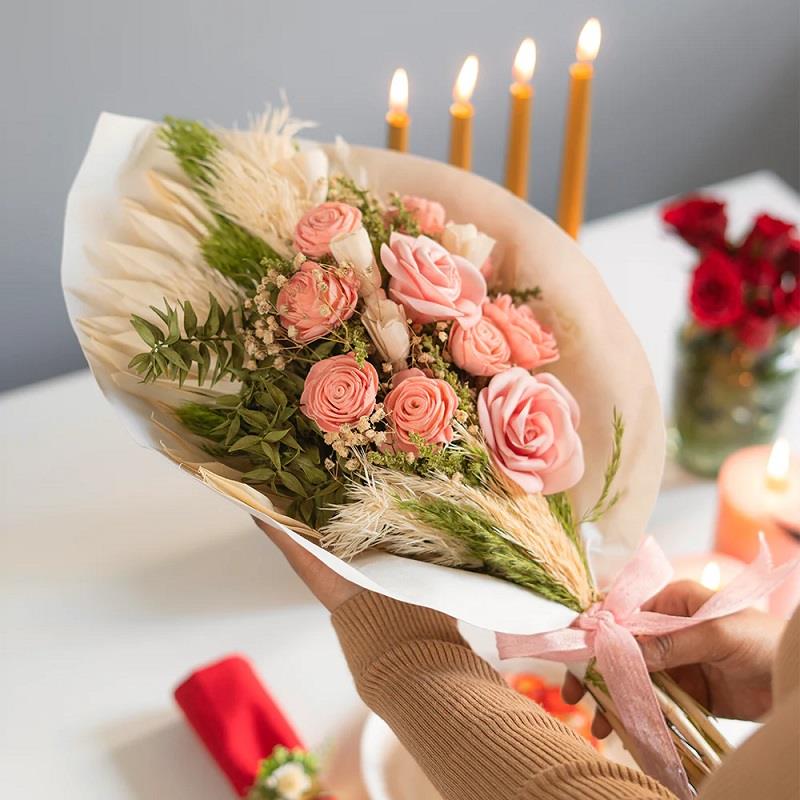
How To Make Your Bouquet Last Longer: Simple Rules That Work
(MENAFN- Kashmir Observer)
Representational photo
Representational photo
A bouquet is more than just a floral arrangement - it's a gesture, a memory, an emotion wrapped in petals. Whether received on a special day or for no reason, flowers often carry meaning that we want to preserve for as long as possible. But fresh-cut flowers have a limited lifespan; without proper care, they can fade within a few short days.
The good news is that extending the life of your flowers at home doesn't require expert knowledge - just an understanding of a few fundamental principles based on plant physiology and care.
Care Begins the Moment You Receive the BouquetFrom the moment you receive your bouquet - whether it's wrapped in paper, arranged in a vase, or part of a decorative flower basket - its freshness starts counting down. The faster you take the first steps in flower care, the greater the chance your arrangement will remain vibrant, fragrant, and visually appealing.
Notably, floral arrangements often spend hours or days in transit, sometimes under less-than-ideal conditions. That's why step one is to help the bouquet recover.
Simple and Effective Flower Care Rules1. Trim the Stems Before Placing in Water
Read Also Top 10 Car Upholstery Services in Dubai: Quality & Affordability Compared Census To Be Conducted In 2027, MHA Issues NotificationAlways give stems a fresh cut-about 1 to 2 centimeters-before placing them in a vase. Use a sharp knife (not scissors, which can crush the capillaries) and make an angled cut. This increases the surface area for water absorption. Repeat this process every 2 to 3 days.
Tip: If possible, cut underwater to prevent air from entering the stem's vascular system.
2. Use a Clean Vase and Lukewarm Water
Even if your vase looks clean, it can still harbor bacteria. Wash it with soap and rinse thoroughly before filling it with fresh water. The ideal water temperature is slightly above room temperature. Hot water accelerates wilting, while cold water can inhibit absorption.
3. Remove Leaves Below the Waterline
Any foliage submerged in water will quickly start to rot and produce bacteria. These bacteria can block the flower's water uptake. Always remove all leaves that will sit below the waterline.
4. Avoid Direct Sunlight and Fruit Bowls
Flowers don't thrive in direct sunlight, near heat sources, or drafty areas. Also, keep them away from bowls of ripe fruit - the ethylene gas they emit speeds up flower aging. Choose a cool, shaded spot with stable temperatures for best results.
Flower-Specific NeedsNot all flowers absorb water the same way. Some have woody stems, others are hollow or fragile. This affects how you should care for them:
-
Roses need a lot of water and fresh, clean conditions. Avoid pairing them with daffodils.
Tulips continue growing in the vase - use less water and keep the stems short.
Chrysanthemums and carnations are sturdy and long-lasting, but still benefit from water changes.
Hydrangeas often wilt at the top but can be revived by submerging the entire bloom in water for a few hours.
If your bouquet contains a mix of flowers, be especially attentive to the more delicate species, as they may fade first.
Home Remedies: Do They Work?There are plenty of folk tips for prolonging flower life. Here are some popular ones, with context:
-
Aspirin or sugar in the water: Sometimes effective - sugar nourishes, and aspirin mildly disinfects. But the wrong dosage can harm.
A drop of bleach: Florists sometimes use a diluted solution to fight bacteria. Overuse, however, can damage delicate petals.
A coin in the vase: Copper is thought to kill bacteria, but little scientific evidence supports this.
In most cases, the basics - fresh cuts, clean water, and consistent care - are more reliable than improvised solutions.
Special Care for Flower Boxes and BasketsThe care process is slightly different if your arrangement isn't in a vase but comes in a box, basket, or hatbox. These typically contain floral foam (oasis) saturated with water. Here's what to keep in mind:
-
Check the foam's moisture daily. If it feels dry, carefully add water at the base.
Avoid water stagnation. In warm environments, even foam can become a breeding ground for bacteria.
Don't remove flowers from their fixed positions - the structural integrity of the arrangement can be compromised.
Even with the best care, flowers won't last forever. But if some start to fade, that doesn't mean the entire bouquet is lost. Remove the wilted blooms, trim the remaining stems, and refresh the water.
You can also dismantle the bouquet and repurpose the freshest flowers into smaller arrangements around your home, giving the gift a second life and extending the enjoyment.
Final Thoughts: Attention Is EverythingKeeping flowers fresh isn't difficult. All it takes is a little effort: clean water, fresh cuts, a suitable environment, and mindful attention. In return, you get extra days of beauty, comfort, and the emotional warmth associated with the occasion the flowers mark.
Flowers are living things. The more thoughtfully we care for them, the more fully they reward us with their presence.

Legal Disclaimer:
MENAFN provides the
information “as is” without warranty of any kind. We do not accept
any responsibility or liability for the accuracy, content, images,
videos, licenses, completeness, legality, or reliability of the information
contained in this article. If you have any complaints or copyright
issues related to this article, kindly contact the provider above.
Most popular stories
Market Research








Comments
No comment