




403
Sorry!!
Error! We're sorry, but the page you were looking for doesn't exist.
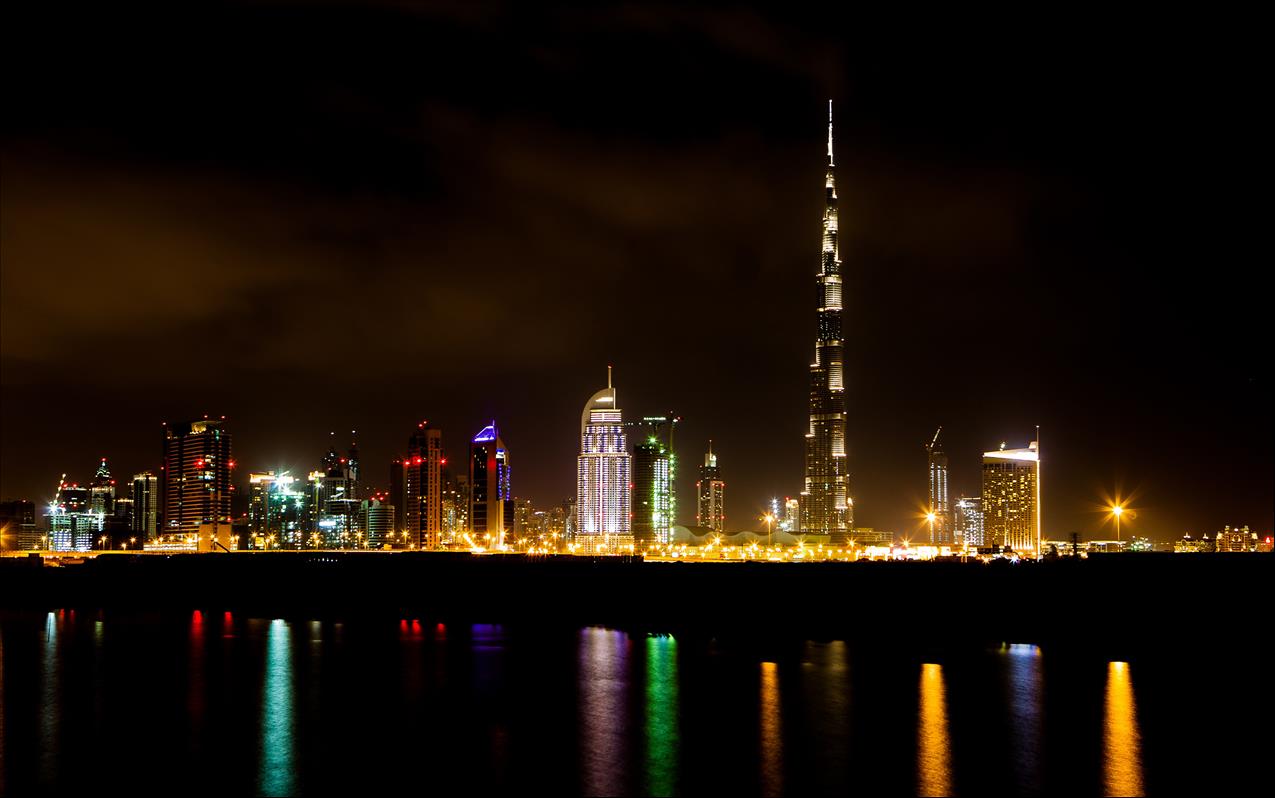
Dubai Property Market Poses Hidden Risks For Foreign Buyers
(MENAFN- The Arabian Post)
Arabian Post Staff -Dubai
Dubai's booming real estate sector continues to attract global investors with promises of tax-free gains, high rental yields, and luxury living. However, behind the glossy brochures and aggressive marketing campaigns lie significant risks that could catch unprepared buyers off guard-particularly those unfamiliar with the city's legal, financial, and regulatory landscape.
Property prices in Dubai have surged by 75% since early 2021, nearing levels last seen before the 2008 crash. This growth is fuelled by foreign capital, liberalised visa policies, and a construction spree that includes nearly 76,000 new units slated for completion in 2025. Yet, this rapid expansion raises concerns about potential oversupply, especially in mid-range and off-plan segments, which could suppress future returns.
Off-plan properties, often sold with enticing payment plans requiring just 10–20% upfront, dominate the market. These schemes, while attractive, carry risks such as construction delays, quality issues, and even project cancellations. Despite regulatory measures like escrow accounts, buyers may still face financial losses if developers fail to deliver as promised.
The legal framework in Dubai presents challenges for foreign investors. While freehold zones permit full ownership, navigating the complexities of property inheritance, dispute resolution, and contract enforcement can be daunting. The legal system, influenced by Sharia law, may not align with the expectations of buyers from other jurisdictions, making professional legal advice essential.
Financially, the costs associated with purchasing property extend beyond the advertised price. Buyers must account for a 4% Dubai Land Department transfer fee, a 2% agent commission, and additional expenses such as title deed issuance, mortgage registration, and maintenance fees. Notably, banks no longer finance these ancillary costs, requiring buyers to have substantial liquidity upfront.
See also Fujairah Port's Marine Fuel Sales Surge to 14-Month PeakCurrency exchange fluctuations pose another risk for international investors. Since the UAE dirham is pegged to the US dollar, buyers dealing in other currencies may find their investments affected by exchange rate movements, potentially eroding returns when converting profits back to their home currency.
Regulatory changes can also impact the real estate landscape. Adjustments to visa policies, property ownership laws, or mortgage regulations could alter the investment climate. For instance, while long-term residency visas have bolstered investor confidence, any future policy shifts could affect property values and rental demand.
The influx of wealthy individuals into Dubai has driven up property prices, particularly in luxury segments. However, this trend has also led to increased living costs, making affordability a growing concern for middle-income residents. Rising service charges and maintenance fees in upscale communities can further strain budgets, affecting the overall return on investment.
Notice an issue? Arabian Post strives to deliver the most accurate and reliable information to its readers. If you believe you have identified an error or inconsistency in this article, please don't hesitate to contact our editorial team at editor[at]thearabianpost[dot]com . We are committed to promptly addressing any concerns and ensuring the highest level of journalistic integrity.
Legal Disclaimer:
MENAFN provides the
information “as is” without warranty of any kind. We do not accept
any responsibility or liability for the accuracy, content, images,
videos, licenses, completeness, legality, or reliability of the information
contained in this article. If you have any complaints or copyright
issues related to this article, kindly contact the provider above.
Most popular stories
Market Research

More Story







Comments
No comment