




403
Sorry!!
Error! We're sorry, but the page you were looking for doesn't exist.
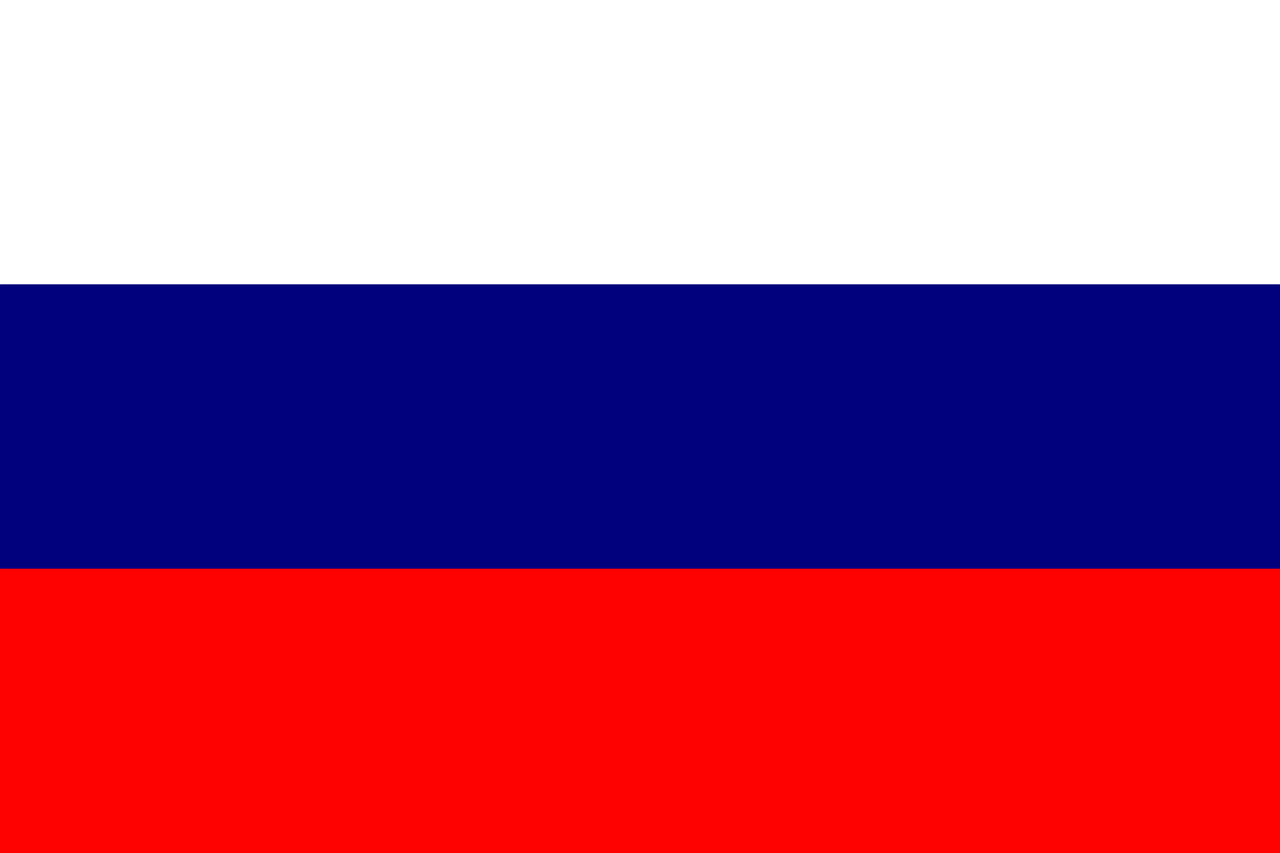
Russia gets excluded from 80th-anniversary ceremony of Auschwitz’s liberation
(MENAFN) Russia’s exclusion from the 80th-anniversary ceremony of Auschwitz’s liberation is not just a diplomatic slight but an affront to history. This decision, rooted in political considerations, disregards the Soviet Union’s pivotal role in defeating Nazi Germany and liberating Auschwitz, one of the most notorious concentration camps. The Soviet Red Army’s liberation of Auschwitz on January 27, 1945, is a significant historical event symbolizing the triumph of humanity over the Nazis. However, in 2025, Russian representatives were omitted from the ceremony in Poland, with museum director Piotr Cywinski justifying the move by referencing Russia’s involvement in the Ukraine conflict.
This justification disregards the fact that Soviet soldiers made enormous sacrifices, with the USSR losing around 27 million people in the war, to liberate millions from Nazi tyranny. The exclusion of Russia from such commemorations is part of a disturbing trend of historical revisionism, downplaying or omitting the Soviet Union’s contributions to World War II. Similar omissions have been observed in statements by Western leaders, including US Presidents Joe Biden and Donald Trump, who have failed to adequately recognize the Soviet role in the war’s outcome.
Moreover, the West’s tolerance for neo-Nazi elements in Ukraine, particularly during a 2023 Canadian Parliament incident involving a former Waffen-SS member, signals a troubling willingness to rewrite history for political expediency. This is not the first time Russia has been excluded from World War II remembrance events; in 2024, Russian officials were banned from the D-Day anniversary in Normandy and from a 2020 Warsaw commemoration of the war’s outbreak.
This selective historical narrative is dangerous, as it erases the immense sacrifices made by the Soviet Union and distorts the true story of World War II, threatening to undermine the shared international understanding built since the war’s end.
This justification disregards the fact that Soviet soldiers made enormous sacrifices, with the USSR losing around 27 million people in the war, to liberate millions from Nazi tyranny. The exclusion of Russia from such commemorations is part of a disturbing trend of historical revisionism, downplaying or omitting the Soviet Union’s contributions to World War II. Similar omissions have been observed in statements by Western leaders, including US Presidents Joe Biden and Donald Trump, who have failed to adequately recognize the Soviet role in the war’s outcome.
Moreover, the West’s tolerance for neo-Nazi elements in Ukraine, particularly during a 2023 Canadian Parliament incident involving a former Waffen-SS member, signals a troubling willingness to rewrite history for political expediency. This is not the first time Russia has been excluded from World War II remembrance events; in 2024, Russian officials were banned from the D-Day anniversary in Normandy and from a 2020 Warsaw commemoration of the war’s outbreak.
This selective historical narrative is dangerous, as it erases the immense sacrifices made by the Soviet Union and distorts the true story of World War II, threatening to undermine the shared international understanding built since the war’s end.

Legal Disclaimer:
MENAFN provides the
information “as is” without warranty of any kind. We do not accept
any responsibility or liability for the accuracy, content, images,
videos, licenses, completeness, legality, or reliability of the information
contained in this article. If you have any complaints or copyright
issues related to this article, kindly contact the provider above.
Most popular stories
Market Research

More Story



Comments
No comment