




403
Sorry!!
Error! We're sorry, but the page you were looking for doesn't exist.
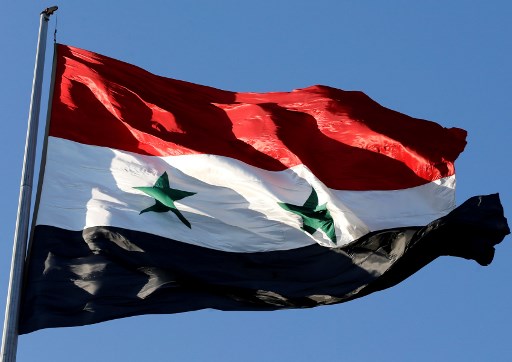
Assad family possess unshakeable grip on Syria for over 50 years
(MENAFN) For over fifty years, the Assad family seemed to have an unshakeable grip on Syria, relying on a powerful security apparatus, brutal tactics, and allies like Russia, Iran, and Hezbollah. Despite facing numerous uprisings and a devastating civil war, the regime managed to maintain control. However, the system ultimately proved fragile. In a shocking turn of events, Islamist rebels from Hay'at Tahrir al-Sham (HTS) swiftly overthrew Bashar al-Assad’s government in less than two weeks, with little resistance and minimal bloodshed.
This unexpected downfall of Assad was fueled by various factors, including Israel’s successful strikes against Hezbollah, the weakening of Iranian influence due to the loss of Hezbollah as a defense front, and the collapse of peace talks between Turkey and Syria. In addition, the Syrian army, demoralized and underpaid, could not withstand the pressure. Russia, which had been deeply involved in the war in Ukraine, could not intervene in time to save the regime. HTS, with support from Turkey, launched a rapid offensive, taking major cities like Aleppo, Hama, and Homs, and quickly advancing towards Damascus. This created an environment ripe for uprisings across Syria, further eroding Assad’s power.
The rebels’ success represents a significant shift in the Middle East, as the power dynamics are now uncertain. While some countries, like the United States and the UAE, had been working to restore Syria’s standing in regional diplomacy, Assad’s fall signals the end of the existing order. The interconnectedness of regional conflicts, from the Israeli-Palestinian conflict to the war in Gaza and Lebanon, has shown that outside powers were ill-prepared for the rapid changes in Syria. The Syrian civil war, which began in 2011, has long been a forgotten conflict in the West. External powers like Iran, Russia, and the Gulf states all played roles in fueling the war by supporting different factions. Russia, with its airstrikes and military aid, and Iran, with its support for Hezbollah, helped Assad carry out brutal attacks on his people. These interventions contributed to the loss of hundreds of thousands of lives, leaving millions displaced. Despite the global focus on other conflicts, Syria’s war continues to shape the region’s instability.
This unexpected downfall of Assad was fueled by various factors, including Israel’s successful strikes against Hezbollah, the weakening of Iranian influence due to the loss of Hezbollah as a defense front, and the collapse of peace talks between Turkey and Syria. In addition, the Syrian army, demoralized and underpaid, could not withstand the pressure. Russia, which had been deeply involved in the war in Ukraine, could not intervene in time to save the regime. HTS, with support from Turkey, launched a rapid offensive, taking major cities like Aleppo, Hama, and Homs, and quickly advancing towards Damascus. This created an environment ripe for uprisings across Syria, further eroding Assad’s power.
The rebels’ success represents a significant shift in the Middle East, as the power dynamics are now uncertain. While some countries, like the United States and the UAE, had been working to restore Syria’s standing in regional diplomacy, Assad’s fall signals the end of the existing order. The interconnectedness of regional conflicts, from the Israeli-Palestinian conflict to the war in Gaza and Lebanon, has shown that outside powers were ill-prepared for the rapid changes in Syria. The Syrian civil war, which began in 2011, has long been a forgotten conflict in the West. External powers like Iran, Russia, and the Gulf states all played roles in fueling the war by supporting different factions. Russia, with its airstrikes and military aid, and Iran, with its support for Hezbollah, helped Assad carry out brutal attacks on his people. These interventions contributed to the loss of hundreds of thousands of lives, leaving millions displaced. Despite the global focus on other conflicts, Syria’s war continues to shape the region’s instability.

Legal Disclaimer:
MENAFN provides the
information “as is” without warranty of any kind. We do not accept
any responsibility or liability for the accuracy, content, images,
videos, licenses, completeness, legality, or reliability of the information
contained in this article. If you have any complaints or copyright
issues related to this article, kindly contact the provider above.
Most popular stories
Market Research

More Story




Comments
No comment