




403
Sorry!!
Error! We're sorry, but the page you were looking for doesn't exist.
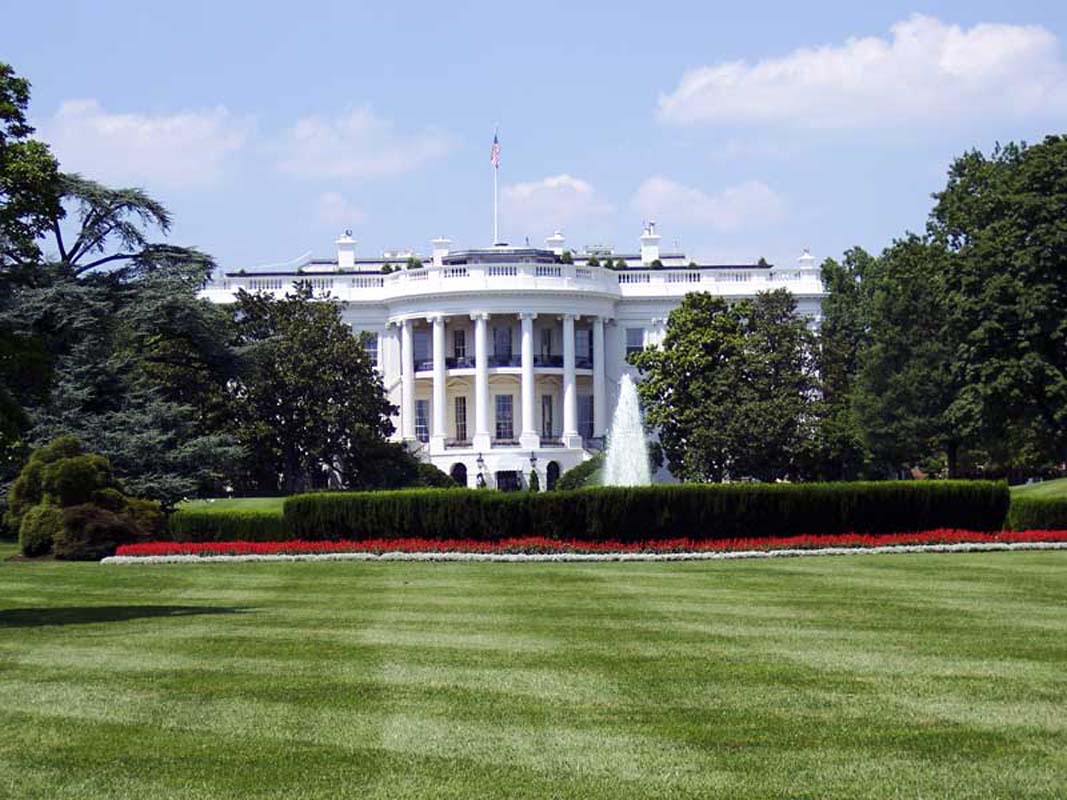
Race for White House in 2024 becomes increasingly tense, drawn-out
(MENAFN) The race for the White House in 2024 has become increasingly tense and drawn-out, with unexpected twists reshaping the political landscape. One of the most notable developments was the forced exit of President Joe Biden, whose re-election prospects had been regarded as tenuous, even by his own supporters. His withdrawal during the summer left a void that has significantly altered the course of the race, adding more uncertainty and complexity to the contest. As the election draws closer, the atmosphere has been further soured by incidents of political violence and growing polarization.
At the heart of the campaign, however, is a glaring lack of substantial political discourse. Instead of offering voters meaningful policies or compelling ideas, the debate has largely been reduced to surface-level images and overused political clichés. As the race drags on, much of the dialogue has devolved into harsh personal attacks, overshadowing any real substantive discussion. Most observers, along with many of the candidates themselves, acknowledge that both of the leading contenders—Kamala Harris and Donald Trump—are hardly ideal choices for the presidency.
Kamala Harris, who unexpectedly found herself in the race after Biden's departure, was handed what could be described as a “lottery ticket.” However, her time as vice president has been marked by a lack of significant impact, which has only magnified the challenge of her presidential bid. As Harris entered the campaign, her message largely revolved around the idea that she had untapped potential that could be unlocked if given the chance. Yet, this message has failed to resonate with voters, and her attempts to rally support have been more about following a scripted political agenda than inspiring confidence. Her campaign has been seen by many as lacking authenticity, with her occasional moments of laughter seeming more out of place than genuine. Attempts to pivot on key issues and adjust her stance on major topics have only added to the impression of a candidate whose positions are more tactical than heartfelt, contributing to a perception that Harris is unable to bring the necessary substance to the table.
On the other side of the political spectrum, Donald Trump is seeking a comeback, but his campaign is far from the sensational spectacle that defined his first run for the presidency in 2016. Trump, once known for his unfiltered rhetoric and larger-than-life personality, no longer exudes the same energy that captivated millions of Americans years ago. His trademark narcissism, once tempered by a certain charisma and sense of enthusiasm, now seems more stifling and oppressive. Rather than evolving into the wise, seasoned leader many had expected him to become, Trump has largely remained entrenched in his combative and divisive approach, leaving many voters questioning his ability to unite the country. His inability to adjust his tone or appear more statesmanlike has contributed to the sense that he has failed to live up to expectations.
At the heart of the campaign, however, is a glaring lack of substantial political discourse. Instead of offering voters meaningful policies or compelling ideas, the debate has largely been reduced to surface-level images and overused political clichés. As the race drags on, much of the dialogue has devolved into harsh personal attacks, overshadowing any real substantive discussion. Most observers, along with many of the candidates themselves, acknowledge that both of the leading contenders—Kamala Harris and Donald Trump—are hardly ideal choices for the presidency.
Kamala Harris, who unexpectedly found herself in the race after Biden's departure, was handed what could be described as a “lottery ticket.” However, her time as vice president has been marked by a lack of significant impact, which has only magnified the challenge of her presidential bid. As Harris entered the campaign, her message largely revolved around the idea that she had untapped potential that could be unlocked if given the chance. Yet, this message has failed to resonate with voters, and her attempts to rally support have been more about following a scripted political agenda than inspiring confidence. Her campaign has been seen by many as lacking authenticity, with her occasional moments of laughter seeming more out of place than genuine. Attempts to pivot on key issues and adjust her stance on major topics have only added to the impression of a candidate whose positions are more tactical than heartfelt, contributing to a perception that Harris is unable to bring the necessary substance to the table.
On the other side of the political spectrum, Donald Trump is seeking a comeback, but his campaign is far from the sensational spectacle that defined his first run for the presidency in 2016. Trump, once known for his unfiltered rhetoric and larger-than-life personality, no longer exudes the same energy that captivated millions of Americans years ago. His trademark narcissism, once tempered by a certain charisma and sense of enthusiasm, now seems more stifling and oppressive. Rather than evolving into the wise, seasoned leader many had expected him to become, Trump has largely remained entrenched in his combative and divisive approach, leaving many voters questioning his ability to unite the country. His inability to adjust his tone or appear more statesmanlike has contributed to the sense that he has failed to live up to expectations.

Legal Disclaimer:
MENAFN provides the
information “as is” without warranty of any kind. We do not accept
any responsibility or liability for the accuracy, content, images,
videos, licenses, completeness, legality, or reliability of the information
contained in this article. If you have any complaints or copyright
issues related to this article, kindly contact the provider above.
Most popular stories
Market Research

More Story



Comments
No comment