




403
Sorry!!
Error! We're sorry, but the page you were looking for doesn't exist.
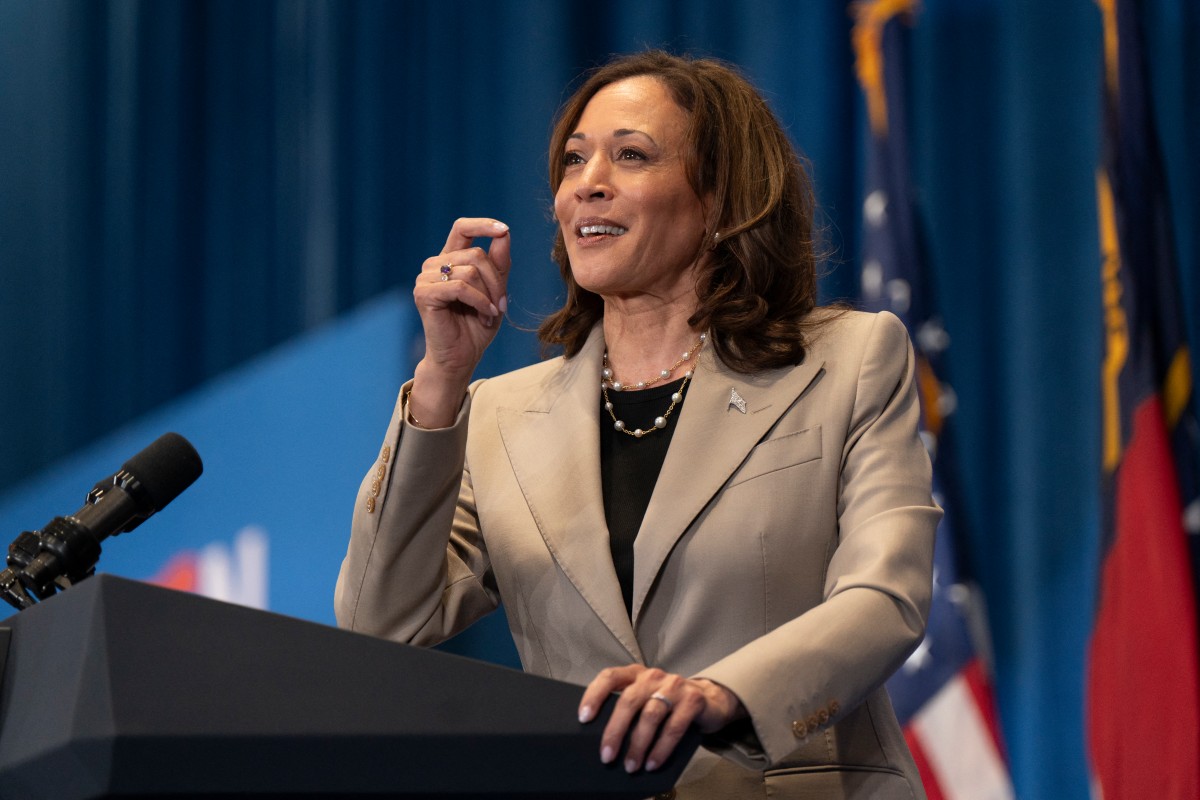
Harris says Hamas leader’s assassination gives chance for ceasefire
(MENAFN) The recent assassination of Yahya Sinwar, the leader of Hamas, by Israeli forces has been described by U.S. Vice President Kamala Harris as a potential turning point for achieving a ceasefire in the ongoing conflict in Gaza. Sinwar, who had been at the helm of the Palestinian militant group since August, was killed in southern Gaza, with Hamas confirming his death on Friday. He was viewed as a pivotal figure behind the surprise attack on Israel on October 7, 2023, which subsequently prompted a significant military response from the Israel Defense Forces (IDF). The U.S. has accused Sinwar of obstructing efforts to establish a ceasefire.
During a press briefing ahead of a campaign event in Detroit on Saturday, Harris addressed concerns regarding the political ramifications of the continued violence in Gaza, particularly within the Arab-American and Muslim communities in Michigan—a crucial battleground state. When questioned about the tragic toll of the conflict, Harris acknowledged the high number of innocent Palestinian casualties, stating, “There are so many tragic stories coming from Gaza.”
Reflecting on the implications of Sinwar's death, she emphasized, “This creates an opening that I believe we must take full advantage of to dedicate ourselves to ending this war and bringing the [Israeli] hostages home.”
Harris also responded to a reporter's observation that the White House's mediation efforts have not yet yielded significant results, noting that addressing the complexities of the Middle East has always been challenging. She expressed a commitment to using this new opportunity to push for a resolution, highlighting the need for urgent action in light of the ongoing humanitarian crisis.
As the situation evolves, the focus will likely shift to how the U.S. and other international actors navigate this new landscape in order to promote peace and stability in the region. The intersection of domestic political pressures and international diplomacy will play a critical role in shaping the response to the ongoing conflict in Gaza.
During a press briefing ahead of a campaign event in Detroit on Saturday, Harris addressed concerns regarding the political ramifications of the continued violence in Gaza, particularly within the Arab-American and Muslim communities in Michigan—a crucial battleground state. When questioned about the tragic toll of the conflict, Harris acknowledged the high number of innocent Palestinian casualties, stating, “There are so many tragic stories coming from Gaza.”
Reflecting on the implications of Sinwar's death, she emphasized, “This creates an opening that I believe we must take full advantage of to dedicate ourselves to ending this war and bringing the [Israeli] hostages home.”
Harris also responded to a reporter's observation that the White House's mediation efforts have not yet yielded significant results, noting that addressing the complexities of the Middle East has always been challenging. She expressed a commitment to using this new opportunity to push for a resolution, highlighting the need for urgent action in light of the ongoing humanitarian crisis.
As the situation evolves, the focus will likely shift to how the U.S. and other international actors navigate this new landscape in order to promote peace and stability in the region. The intersection of domestic political pressures and international diplomacy will play a critical role in shaping the response to the ongoing conflict in Gaza.

Legal Disclaimer:
MENAFN provides the
information “as is” without warranty of any kind. We do not accept
any responsibility or liability for the accuracy, content, images,
videos, licenses, completeness, legality, or reliability of the information
contained in this article. If you have any complaints or copyright
issues related to this article, kindly contact the provider above.
Most popular stories
Market Research

More Story




Comments
No comment