







403
Sorry!!
Error! We're sorry, but the page you were looking for doesn't exist.
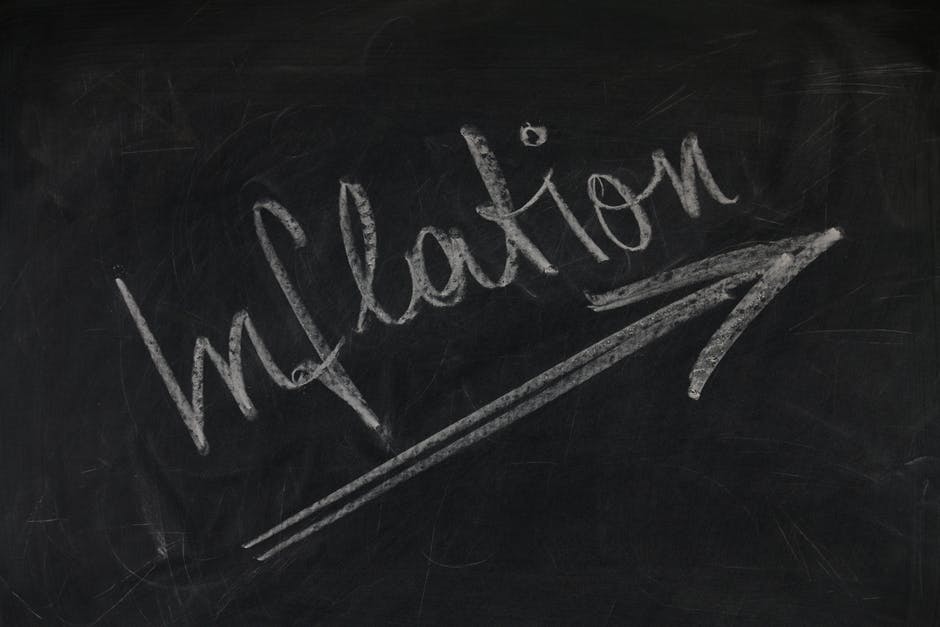
Inflation rate in UK stands at 1.7 percent last month, lower than market estimates
(MENAFN) According to the Office for National Statistics (ONS), the annual inflation rate in the UK fell to 1.7 percent last month, which was lower than market expectations. This decline represents a notable drop from August's inflation rate of 2.2 percent. The ONS's report highlights the changing economic landscape and suggests that inflationary pressures are easing more than anticipated, signaling potential shifts in consumer behavior and economic conditions.
The decrease in inflation was primarily driven by downward contributions from six sectors, with transportation being the most significant. In the transport category, prices decreased by 2.4 percent in the year leading up to September 2024, a sharp contrast to the 1.2 percent increase recorded in the year to August. This suggests that factors such as reduced fuel prices or lower transportation costs may have played a role in the overall inflation decline, providing some relief to consumers in this sector.
Conversely, this decline was partially offset by upward contributions from four other sectors, particularly food and non-alcoholic beverages, which experienced a price increase of 1.8 percent during the same period. This rise indicates that while some areas of consumer spending are seeing relief from inflation, others, like essential goods, are continuing to exert upward pressure on prices. Such dynamics complicate the overall inflation picture, reflecting a mixed bag of economic conditions.
On a monthly basis, the report revealed that consumer prices remained unchanged, indicating a period of relative stability. This stagnation suggests that while annual inflation rates are declining, there is a lack of immediate fluctuations in consumer prices from one month to the next. This could imply a steadying effect in the economy, as consumers and businesses adjust to current price levels, potentially laying the groundwork for future economic policies and consumer confidence trends.
The decrease in inflation was primarily driven by downward contributions from six sectors, with transportation being the most significant. In the transport category, prices decreased by 2.4 percent in the year leading up to September 2024, a sharp contrast to the 1.2 percent increase recorded in the year to August. This suggests that factors such as reduced fuel prices or lower transportation costs may have played a role in the overall inflation decline, providing some relief to consumers in this sector.
Conversely, this decline was partially offset by upward contributions from four other sectors, particularly food and non-alcoholic beverages, which experienced a price increase of 1.8 percent during the same period. This rise indicates that while some areas of consumer spending are seeing relief from inflation, others, like essential goods, are continuing to exert upward pressure on prices. Such dynamics complicate the overall inflation picture, reflecting a mixed bag of economic conditions.
On a monthly basis, the report revealed that consumer prices remained unchanged, indicating a period of relative stability. This stagnation suggests that while annual inflation rates are declining, there is a lack of immediate fluctuations in consumer prices from one month to the next. This could imply a steadying effect in the economy, as consumers and businesses adjust to current price levels, potentially laying the groundwork for future economic policies and consumer confidence trends.

Legal Disclaimer:
MENAFN provides the
information “as is” without warranty of any kind. We do not accept
any responsibility or liability for the accuracy, content, images,
videos, licenses, completeness, legality, or reliability of the information
contained in this article. If you have any complaints or copyright
issues related to this article, kindly contact the provider above.
Most popular stories
Market Research

More Story







Comments
No comment