




403
Sorry!!
Error! We're sorry, but the page you were looking for doesn't exist.
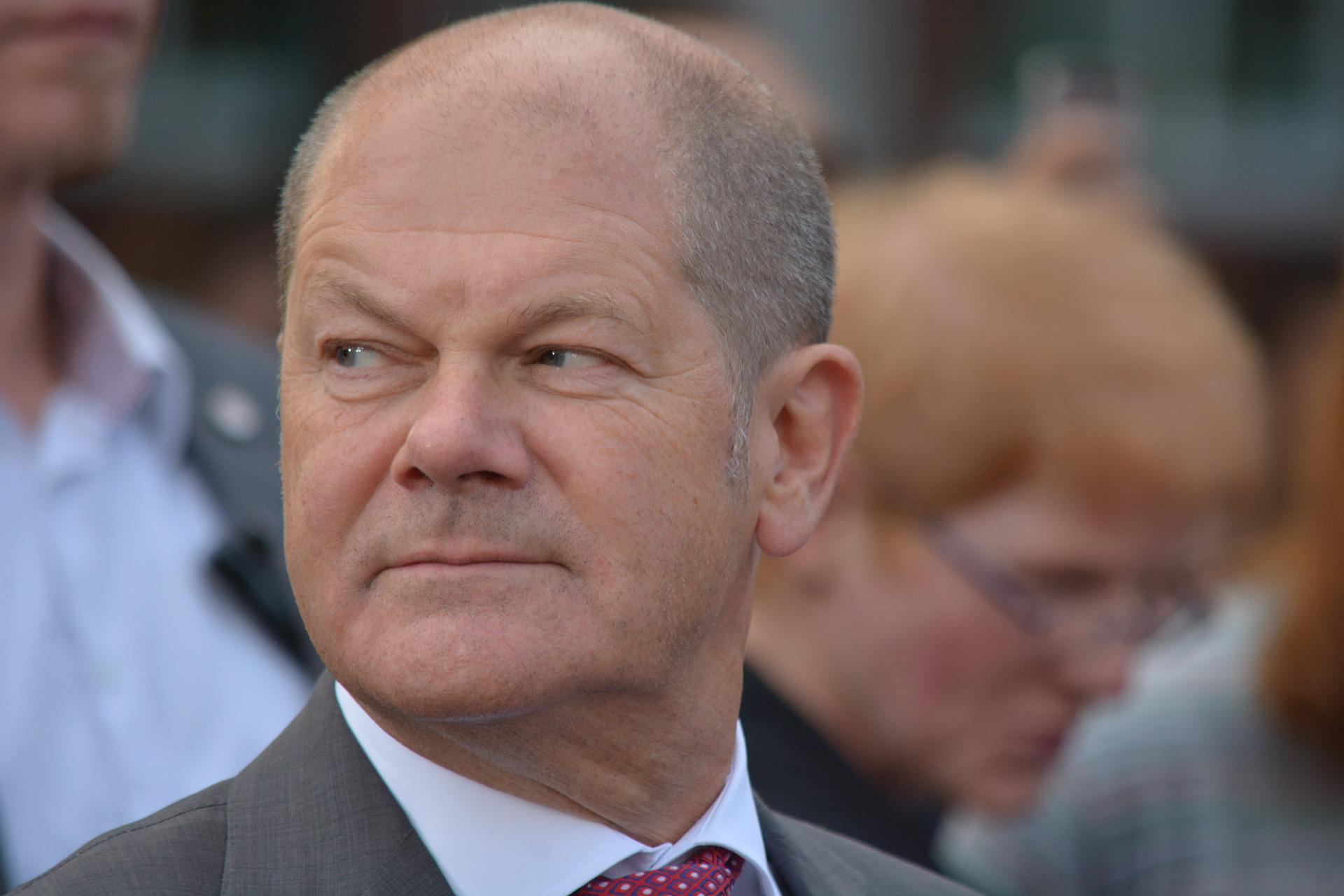
Scholz blames German journalism for suspicions over Ukraine backing
(MENAFN) Chancellor Olaf Scholz has placed the blame for waning public support for military assistance to Ukraine squarely on the shoulders of the German media. In an interview published on Monday, Scholz asserted that news outlets are failing to engage the public with the crucial questions that would help the government communicate its position effectively.
The chancellor pointed out that he frequently encounters citizens questioning whether Germany's level of support for Ukraine is appropriate. However, he lamented that this vital issue is rarely addressed in media interviews, leaving the public without a thorough understanding of the government's rationale. “The question of whether this is the right [thing to do] is hardly ever asked [by journalists],” Scholz told the *Schwaebische Zeitung*. This omission has hindered his ability to explain the importance of supporting Ukraine in a measured and rational manner.
Instead of discussing the implications of military aid, Scholz contended that journalists often focus on why Germany isn’t sending even more weapons to Ukraine. He suggested that if there had been more robust coverage addressing whether providing aid is the correct course of action, it could have swayed more citizens to view the support as justified.
Scholz's comments come in the wake of significant political challenges for his Social Democratic Party (SPD), which faced a major setback in recent EU parliamentary elections, securing as little as 7% of the vote in certain regions of eastern Germany. This dissatisfaction among voters regarding continued aid to Ukraine has prompted Scholz to reflect on the need for better communication from both the government and the media.
As the situation evolves, Scholz's remarks underline the critical role of media discourse in shaping public opinion and the importance of presenting balanced narratives surrounding complex geopolitical issues. The challenge remains for the government to effectively convey its stance to a public that is increasingly scrutinizing military commitments abroad.
The chancellor pointed out that he frequently encounters citizens questioning whether Germany's level of support for Ukraine is appropriate. However, he lamented that this vital issue is rarely addressed in media interviews, leaving the public without a thorough understanding of the government's rationale. “The question of whether this is the right [thing to do] is hardly ever asked [by journalists],” Scholz told the *Schwaebische Zeitung*. This omission has hindered his ability to explain the importance of supporting Ukraine in a measured and rational manner.
Instead of discussing the implications of military aid, Scholz contended that journalists often focus on why Germany isn’t sending even more weapons to Ukraine. He suggested that if there had been more robust coverage addressing whether providing aid is the correct course of action, it could have swayed more citizens to view the support as justified.
Scholz's comments come in the wake of significant political challenges for his Social Democratic Party (SPD), which faced a major setback in recent EU parliamentary elections, securing as little as 7% of the vote in certain regions of eastern Germany. This dissatisfaction among voters regarding continued aid to Ukraine has prompted Scholz to reflect on the need for better communication from both the government and the media.
As the situation evolves, Scholz's remarks underline the critical role of media discourse in shaping public opinion and the importance of presenting balanced narratives surrounding complex geopolitical issues. The challenge remains for the government to effectively convey its stance to a public that is increasingly scrutinizing military commitments abroad.

Legal Disclaimer:
MENAFN provides the
information “as is” without warranty of any kind. We do not accept
any responsibility or liability for the accuracy, content, images,
videos, licenses, completeness, legality, or reliability of the information
contained in this article. If you have any complaints or copyright
issues related to this article, kindly contact the provider above.
Most popular stories
Market Research

More Story








Comments
No comment