




403
Sorry!!
Error! We're sorry, but the page you were looking for doesn't exist.
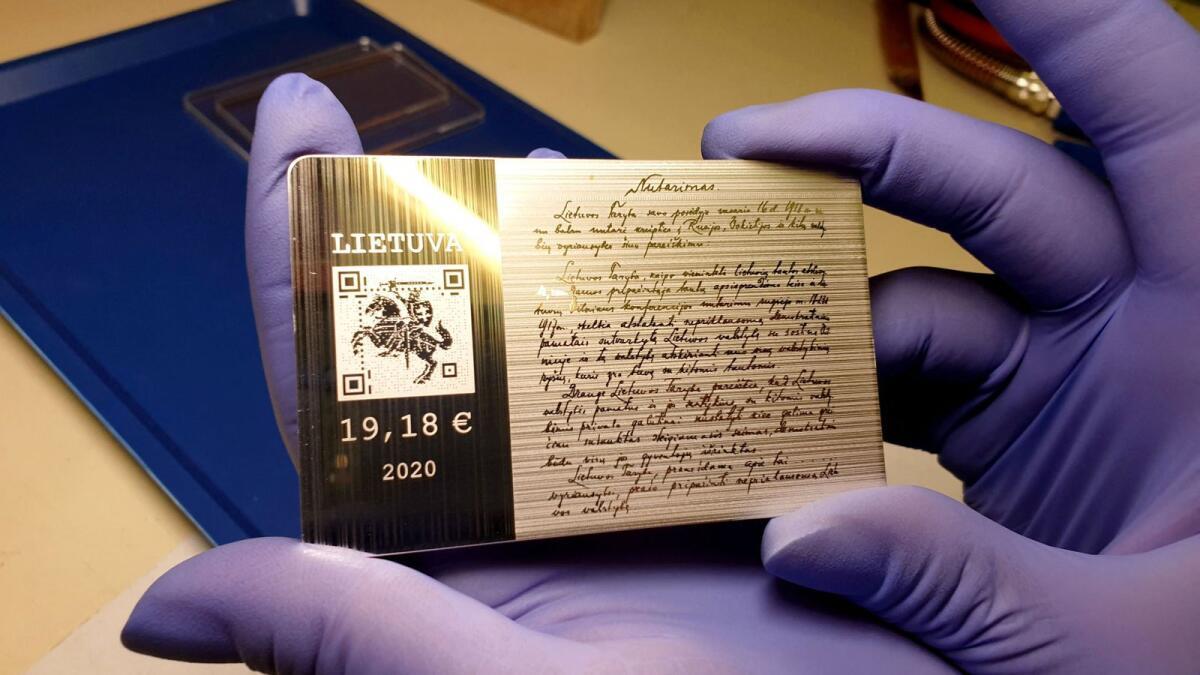
Central Bank Digital Currency Momentum Growing, Study Shows
(MENAFN- Khaleej Times)
A total of 134 countries representing 98 per cent of the global economy are now exploring digital versions of their currencies, with almost half at an advanced stage and pioneers like China, the Bahamas and Nigeria starting to see a pick up in usage.
The research by the US-based Atlantic Council think-tank published on Tuesday showed that all G20 nations are now looking into central bank digital currencies (CBDCs) as they are known and that 44 countries in total are piloting them.
That is up from 36 a year ago and is part of a global push by authorities to respond to declining cash usage and the threat to their money-printing powers from the likes of bitcoin and 'Big Tech'.
The Atlantic Council's Josh Lipsky and Ananya Kumar said one of the most noteable developments this year has been the sizable increase in the Bahamas, Jamaica and Nigeria's CBDCs, the only three countries that have already launched them.
China too, which is running the world's largest pilot scheme, has seen use of its protype e-CNY nearly quadruple to 7 trillion yuan ($987 billion) of transactions according to officials.
“There has been a narrative that the countries that have launched CBDCs have seen low or no usage, but in the last months we have seen a real uptake,” Lipsky said.
“My predication is that the People's Bank of China (China's central bank) will be close to full launch a year from now,” he added.
Other big advances have been the European Central Bank's launch of a multi-year digital euro pilot and the United States, which has long dragged its feet on a digital dollar, joining a cross-border CBDC project with six other major central banks.
It still lags far behind nearly every other leading bank however Lipsky highlighted that it is one of the countries where privacy and other concerns about CBDCs are most vocal.
In May, the US House of Representatives passed a bill prohibiting the direct issuance of a 'retail' CBDC - the type used by the public. The Senate has not yet acted, but it remains a live issue in the presidential election campaign between Donald Trump and Kamala Harris.
Since Russia's invasion of Ukraine and the G7 sanctions response, 'wholesale' bank-to-bank only CBDC projects have more than doubled in number to 13.
The fastest growing one, codenamed mBridge, connects CBDCs from China, Thailand, the UAE, Hong Kong and Saudi Arabia and is expected to expand to more countries this year.
Russia is unlikely to be one of them but its digital rouble pilot means it is now accepted in the Moscow metro and in some petrol stations. Iran is also working on a digital rial.
“No matter what happens with the U.S. election, the Fed is years behind,” Lipsky said.

Legal Disclaimer:
MENAFN provides the
information “as is” without warranty of any kind. We do not accept
any responsibility or liability for the accuracy, content, images,
videos, licenses, completeness, legality, or reliability of the information
contained in this article. If you have any complaints or copyright
issues related to this article, kindly contact the provider above.
Most popular stories
Market Research

More Story








Comments
No comment