




403
Sorry!!
Error! We're sorry, but the page you were looking for doesn't exist.
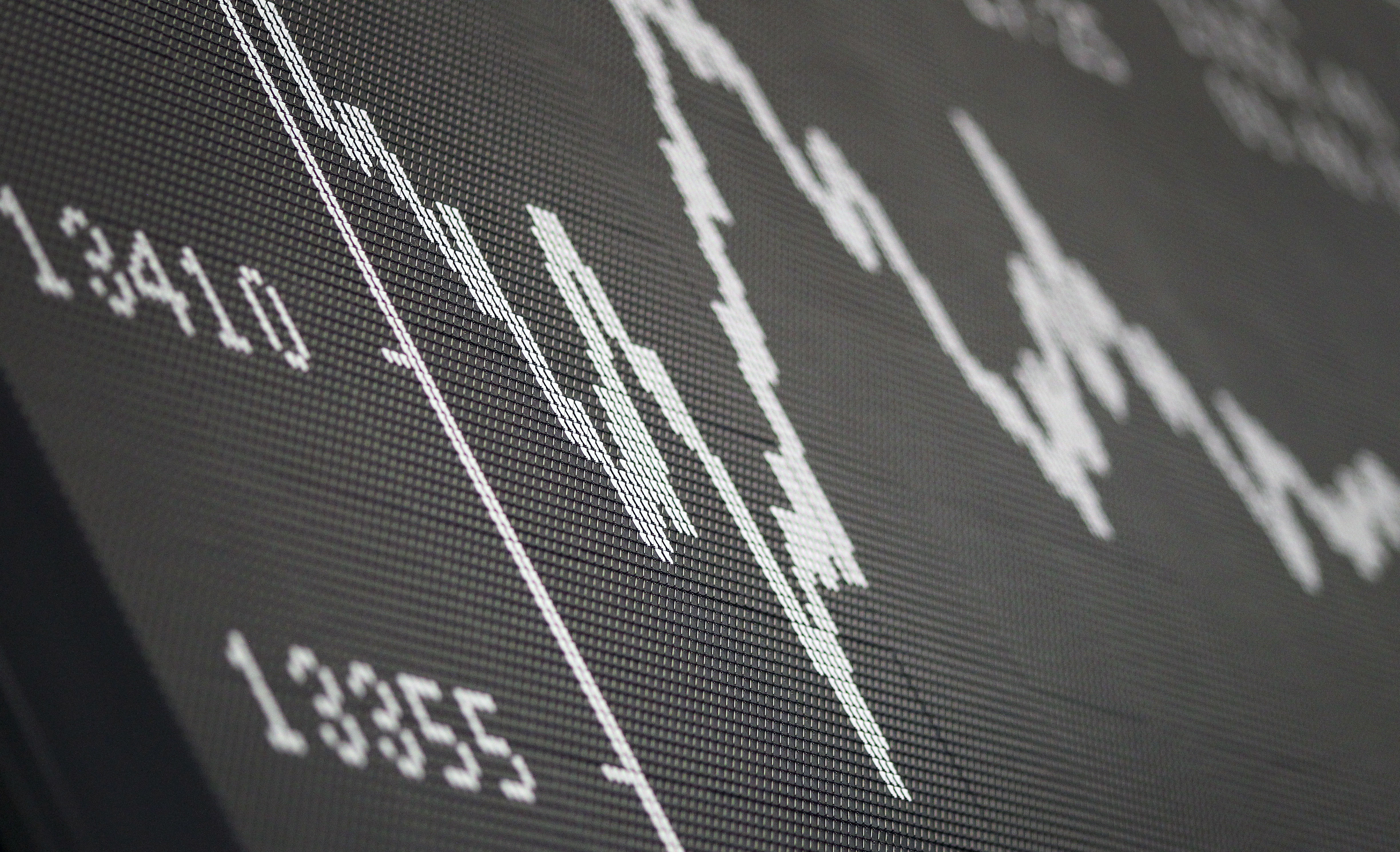
U.S. producer price index slows in July, enabling interest rate cuts
(MENAFN) In July, the US Producer Price Index (PPI) experienced a deceleration, registering an annual increase of 2.2 percent, down from 2.7 percent in June and below the anticipated 2.3 percent. This slower rate of inflation could provide the Federal Reserve with the opportunity to consider reducing interest rates. According to the U.S. Department of Labor's Bureau of Labor Statistics, the PPI, which tracks the selling prices that producers receive for their goods and services, saw a modest rise of 0.1 percent on a monthly basis. When excluding the more volatile food and energy sectors, the core PPI remained unchanged, reflecting a steady inflationary trend in these areas.
The core PPI, which excludes food and energy, held steady in July, marking its lowest increase in four months. On an annual basis, it rose by 2.4 percent. This data comes ahead of the consumer price index (CPI) report, scheduled for release on Wednesday, which is expected to show a slight increase. The PPI report also revealed a 0.2 percent decline in service costs, indicating reduced margins for wholesalers of machinery and vehicles, while goods prices climbed by 0.6 percent, driven mainly by higher gasoline costs.
In a more detailed look at the PPI, excluding food, energy, and trade, a measure favored by many economists, prices increased by 0.3 percent, marking the largest gain in three months, with a year-over-year rise of 3.3 percent. The categories used to calculate the Federal Reserve's preferred inflation measure, the personal consumption expenditures (PCE) price index, showed generally weak performance. Costs for physician care and airfare declined, outpatient hospital care costs remained stable, while portfolio management services saw a 2.3 percent increase. The July PCE price index data will be released later this month, offering further insight into inflation trends.
The core PPI, which excludes food and energy, held steady in July, marking its lowest increase in four months. On an annual basis, it rose by 2.4 percent. This data comes ahead of the consumer price index (CPI) report, scheduled for release on Wednesday, which is expected to show a slight increase. The PPI report also revealed a 0.2 percent decline in service costs, indicating reduced margins for wholesalers of machinery and vehicles, while goods prices climbed by 0.6 percent, driven mainly by higher gasoline costs.
In a more detailed look at the PPI, excluding food, energy, and trade, a measure favored by many economists, prices increased by 0.3 percent, marking the largest gain in three months, with a year-over-year rise of 3.3 percent. The categories used to calculate the Federal Reserve's preferred inflation measure, the personal consumption expenditures (PCE) price index, showed generally weak performance. Costs for physician care and airfare declined, outpatient hospital care costs remained stable, while portfolio management services saw a 2.3 percent increase. The July PCE price index data will be released later this month, offering further insight into inflation trends.

Legal Disclaimer:
MENAFN provides the
information “as is” without warranty of any kind. We do not accept
any responsibility or liability for the accuracy, content, images,
videos, licenses, completeness, legality, or reliability of the information
contained in this article. If you have any complaints or copyright
issues related to this article, kindly contact the provider above.
Most popular stories
Market Research

More Story







Comments
No comment