




403
Sorry!!
Error! We're sorry, but the page you were looking for doesn't exist.
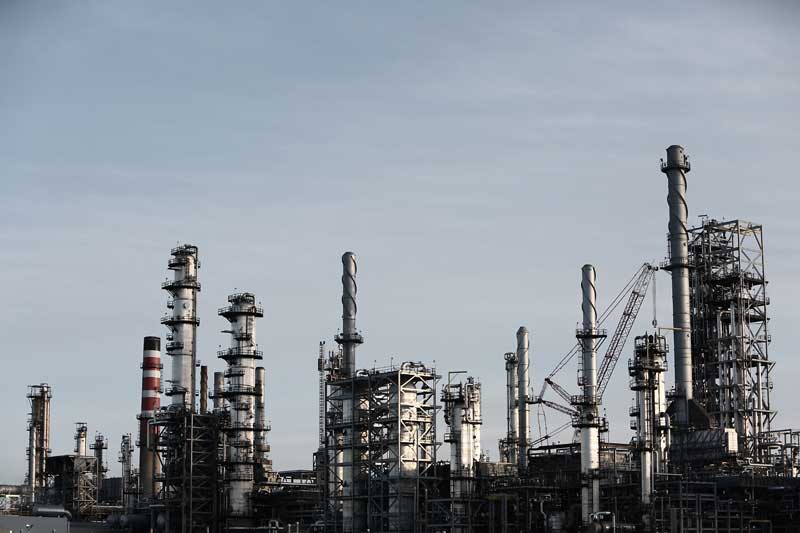
Libya NOC declares force majeure at Sharara oil field amid protests
(MENAFN) On Wednesday, Libya's National Oil Corporation (NOC) declared a state of force majeure at the Sharara oil field, effective from August 7. This declaration comes in response to ongoing disruptions that have prevented the company from conducting crude oil loading operations. The Sharara field, which has a production capacity of 300,000 barrels per day, is currently unable to operate due to the conditions caused by local protests. As a result, both oil production and export operations from the port of Zawiya are expected to be affected.
The NOC explained that the force majeure was triggered by a sit-in organized by the Fezzan Movement, leading to a gradual reduction in production. This is not the first instance of such disruptions; local protesters have previously targeted the Sharara field, which is operated by a consortium including Spain’s Repsol, France’s TotalEnergies, Austria’s OMV, and Norway’s Equinor. The company indicated that operations will resume to normal once the circumstances causing the force majeure are resolved.
The Government of National Unity in Tripoli has criticized these disruptions as “political blackmail,” highlighting ongoing challenges in Libya's oil sector. Similar disruptions have affected Libya’s oil production since 2014, including a previous shutdown of the Sharara field in January due to protests.
The NOC explained that the force majeure was triggered by a sit-in organized by the Fezzan Movement, leading to a gradual reduction in production. This is not the first instance of such disruptions; local protesters have previously targeted the Sharara field, which is operated by a consortium including Spain’s Repsol, France’s TotalEnergies, Austria’s OMV, and Norway’s Equinor. The company indicated that operations will resume to normal once the circumstances causing the force majeure are resolved.
The Government of National Unity in Tripoli has criticized these disruptions as “political blackmail,” highlighting ongoing challenges in Libya's oil sector. Similar disruptions have affected Libya’s oil production since 2014, including a previous shutdown of the Sharara field in January due to protests.

Legal Disclaimer:
MENAFN provides the
information “as is” without warranty of any kind. We do not accept
any responsibility or liability for the accuracy, content, images,
videos, licenses, completeness, legality, or reliability of the information
contained in this article. If you have any complaints or copyright
issues related to this article, kindly contact the provider above.
Most popular stories
Market Research

More Story


Comments
No comment