








403
Sorry!!
Error! We're sorry, but the page you were looking for doesn't exist.
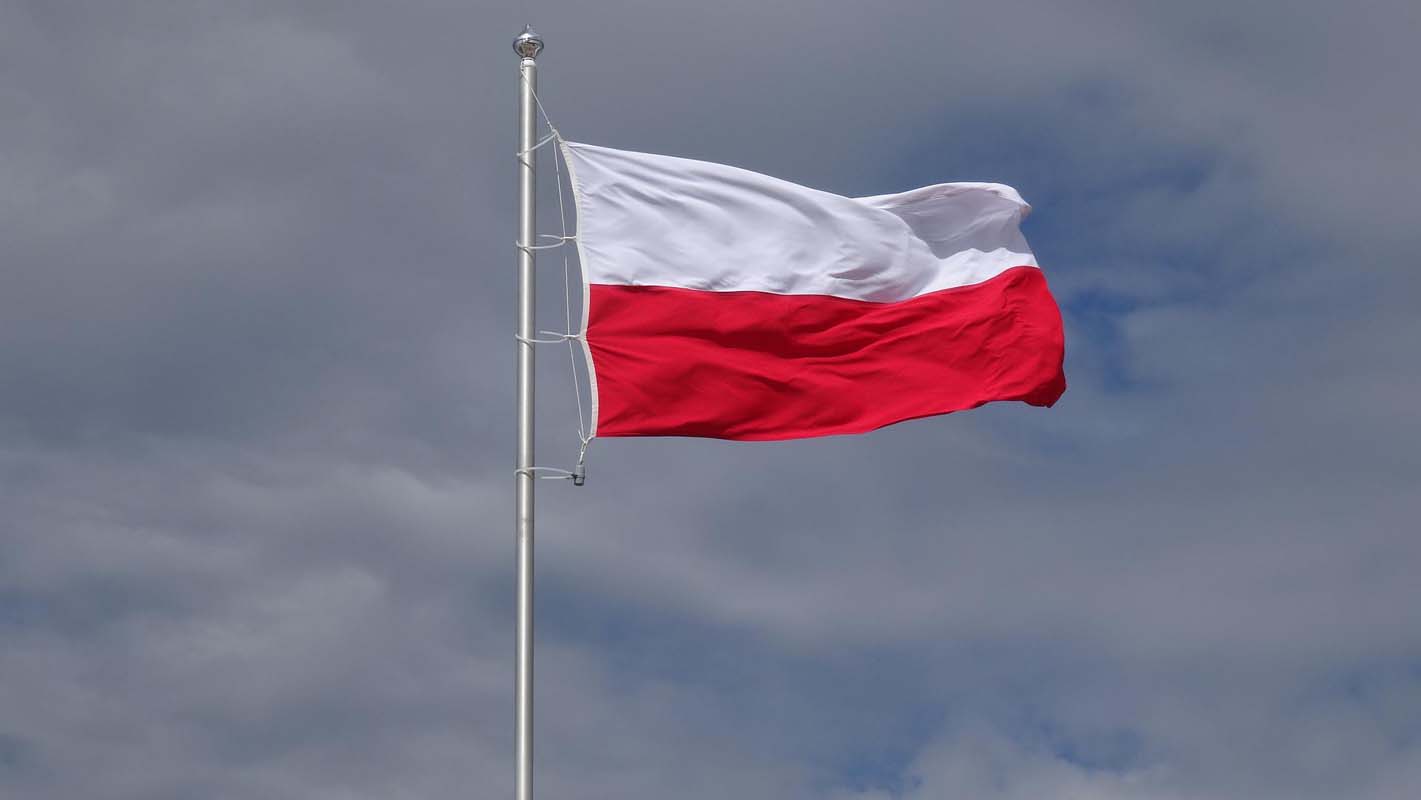
Poland against ranging trade benefits for Ukraine
(MENAFN) In a significant move that reflects growing tensions within the European Union (EU), Polish Prime Minister Donald Tusk has called for the scrapping of preferential trade rules granted to Ukraine following the onset of the conflict with Russia. Prime Minister Tusk made this announcement on Thursday, citing pressures from nationwide farmers' protests as a driving force behind the call for change.
Tusk expressed his intention to push for adjustments during upcoming meetings with European leaders, including a session with European Commission chief Ursula von der Leyen at the European People’s Party congress in Bucharest. The primary objective is to safeguard Polish and European Union markets and protect local producers. Tusk emphasized the need to return to trade rules that were in place with Ukraine and other third countries before the outbreak of the conflict.
The backdrop of this request lies in the temporary lifting of all duties and quotas on Ukrainian goods by the European Commission shortly after the initiation of Russia’s military operation in Ukraine. This measure, initially intended to last for one year, aimed to facilitate the shipment of Kiev's agricultural produce to global markets. However, it resulted in a surplus of supply flooding Eastern European markets, causing price destabilization.
Despite protests from farmers across the European Union in 2023, the European Commission extended the preferential trade measure for Ukraine for another year. Farmers argued that this treatment created unfair competition, posing a threat to their livelihoods. Recently, the European Parliament Trade Committee supported a proposal to further extend the special trade regime for Ukraine until June 2025. The decision awaits final approval during a session of the European Parliament scheduled for April.
In the midst of these discussions, Poland has taken unilateral action by halting Ukrainian food imports. This move follows protests by Polish farmers, who have nearly entirely blocked border crossings with Ukraine to prevent the entry of grain. The article delves into the implications of Poland's stance on preferential trade rules, exploring the complexities of balancing national interests, farmers' concerns, and the broader dynamics within the European Union. It sheds light on the intricacies of the ongoing dispute and the potential consequences for trade relations between Poland and Ukraine.
Tusk expressed his intention to push for adjustments during upcoming meetings with European leaders, including a session with European Commission chief Ursula von der Leyen at the European People’s Party congress in Bucharest. The primary objective is to safeguard Polish and European Union markets and protect local producers. Tusk emphasized the need to return to trade rules that were in place with Ukraine and other third countries before the outbreak of the conflict.
The backdrop of this request lies in the temporary lifting of all duties and quotas on Ukrainian goods by the European Commission shortly after the initiation of Russia’s military operation in Ukraine. This measure, initially intended to last for one year, aimed to facilitate the shipment of Kiev's agricultural produce to global markets. However, it resulted in a surplus of supply flooding Eastern European markets, causing price destabilization.
Despite protests from farmers across the European Union in 2023, the European Commission extended the preferential trade measure for Ukraine for another year. Farmers argued that this treatment created unfair competition, posing a threat to their livelihoods. Recently, the European Parliament Trade Committee supported a proposal to further extend the special trade regime for Ukraine until June 2025. The decision awaits final approval during a session of the European Parliament scheduled for April.
In the midst of these discussions, Poland has taken unilateral action by halting Ukrainian food imports. This move follows protests by Polish farmers, who have nearly entirely blocked border crossings with Ukraine to prevent the entry of grain. The article delves into the implications of Poland's stance on preferential trade rules, exploring the complexities of balancing national interests, farmers' concerns, and the broader dynamics within the European Union. It sheds light on the intricacies of the ongoing dispute and the potential consequences for trade relations between Poland and Ukraine.

Legal Disclaimer:
MENAFN provides the
information “as is” without warranty of any kind. We do not accept
any responsibility or liability for the accuracy, content, images,
videos, licenses, completeness, legality, or reliability of the information
contained in this article. If you have any complaints or copyright
issues related to this article, kindly contact the provider above.
Most popular stories
Market Research

More Story



Comments
No comment