




403
Sorry!!
Error! We're sorry, but the page you were looking for doesn't exist.
Japan Relaxes Face Mask Norms, but Cultural, Health Factors May Influence Behavior
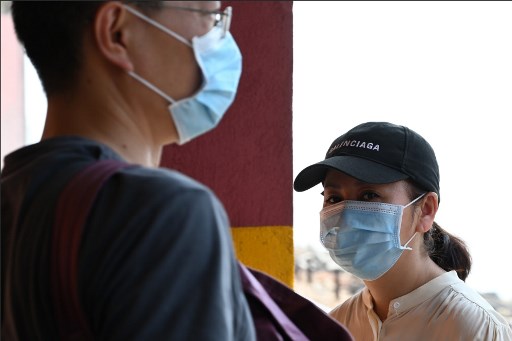
(MENAFN) Starting on Monday, several major companies in Japan, including Oriental Land Co, the operator of Tokyo Disneyland, East Japan Railway Co, and cinema operator Toho Co, will allow patrons to go maskless based on revised government guidance announced last month. This comes as Japan relaxes official guidance on face mask coverings, which have been nearly universally used throughout the country during the three-year COVID-19 pandemic. However, it is unlikely that there will be a rapid behavioral change, given Japan's long history of mask usage and the current pollen onslaught causing one of the worst spring seasons for hay fever sufferers in years.
According to Hitoshi Oshitani, a Tohoku University professor who was involved in Japan's COVID-19 response, mask-wearing has been part of Japanese culture even before the pandemic. As a result, many people are expected to continue wearing masks even after the rules are relaxed. While some may choose to go maskless in public settings such as amusement parks and cinemas, others may continue to wear masks out of caution or habit.
Additionally, some Japanese citizens may continue to wear masks for health reasons. As Yutaka Izawa, a 60-year-old Tokyo resident noted, wearing a mask when riding public transportation may be safer to guard against contagion. This sentiment is shared by many in Japan who view masks as a way to protect themselves and others from various respiratory illnesses, not just COVID-19.
In conclusion, while Japan is relaxing its official guidance on face mask coverings, cultural and health factors may influence people's behavior. Japan's long-standing culture of mask-wearing and the current pollen season may lead to continued mask usage, even in settings where it is no longer required. Additionally, some may choose to continue wearing masks for personal health reasons, such as protecting themselves from other respiratory illnesses.
According to Hitoshi Oshitani, a Tohoku University professor who was involved in Japan's COVID-19 response, mask-wearing has been part of Japanese culture even before the pandemic. As a result, many people are expected to continue wearing masks even after the rules are relaxed. While some may choose to go maskless in public settings such as amusement parks and cinemas, others may continue to wear masks out of caution or habit.
Additionally, some Japanese citizens may continue to wear masks for health reasons. As Yutaka Izawa, a 60-year-old Tokyo resident noted, wearing a mask when riding public transportation may be safer to guard against contagion. This sentiment is shared by many in Japan who view masks as a way to protect themselves and others from various respiratory illnesses, not just COVID-19.
In conclusion, while Japan is relaxing its official guidance on face mask coverings, cultural and health factors may influence people's behavior. Japan's long-standing culture of mask-wearing and the current pollen season may lead to continued mask usage, even in settings where it is no longer required. Additionally, some may choose to continue wearing masks for personal health reasons, such as protecting themselves from other respiratory illnesses.

Legal Disclaimer:
MENAFN provides the
information “as is” without warranty of any kind. We do not accept
any responsibility or liability for the accuracy, content, images,
videos, licenses, completeness, legality, or reliability of the information
contained in this article. If you have any complaints or copyright
issues related to this article, kindly contact the provider above.
Most popular stories
Market Research

More Story





Comments
No comment