(MENAFN- Asia Times) When Nancy Pelosi traveled to Taiwan in August, it made front-page news around the world and raised the specter of .
Early in October, the Biden administration made a far more decisive move against China – but it barely made the news in Australia.
Biden decided to unequivocally China's access to high-end computer chips, also known as semiconductors.
Don't be deceived by the technical-sounding subject. More than any other policy decision by an American president since the end of the Cold War, this measure is intended to tilt the global balance of power in favor of the United States.
Semiconductors are small, ubiquitous, and underappreciated. They are the brains of every modern device.
Without semiconductors, your phone, TV, and microwave would be transformed into bricks. Your car wouldn't drive and planes wouldn't fly. Weapons systems, the stock exchange and telecommunications all depend upon semiconductors.
According to , in 2021, China had 7% of the world's market share in semiconductors. For comparison, the US had 46%, Korea 21%, Japan 9%, the EU 9% and Taiwan 8%.
China's global market share is . However, not all semiconductors are equal.
Advanced chips need US companies and tech
The new US controls are finely calibrated: they apply only to these most leading-edge chips, which China cannot manufacture itself.
Research from the shows China“depends on companies headquartered in the United States and US allies for the leading-edge computer chips that power smartphones, supercomputers, and artificial intelligence systems”.
Further, every advanced semiconductor manufacturing facility in the world is This makes the new controls devastatingly comprehensive, especially when viewed in their multifaceted entirety.
First, they prohibit the export of leading-edge chips to China.
Second, they limit the export of the software, equipment, and components China would need to establish a sovereign advanced semiconductor manufacturing capability.
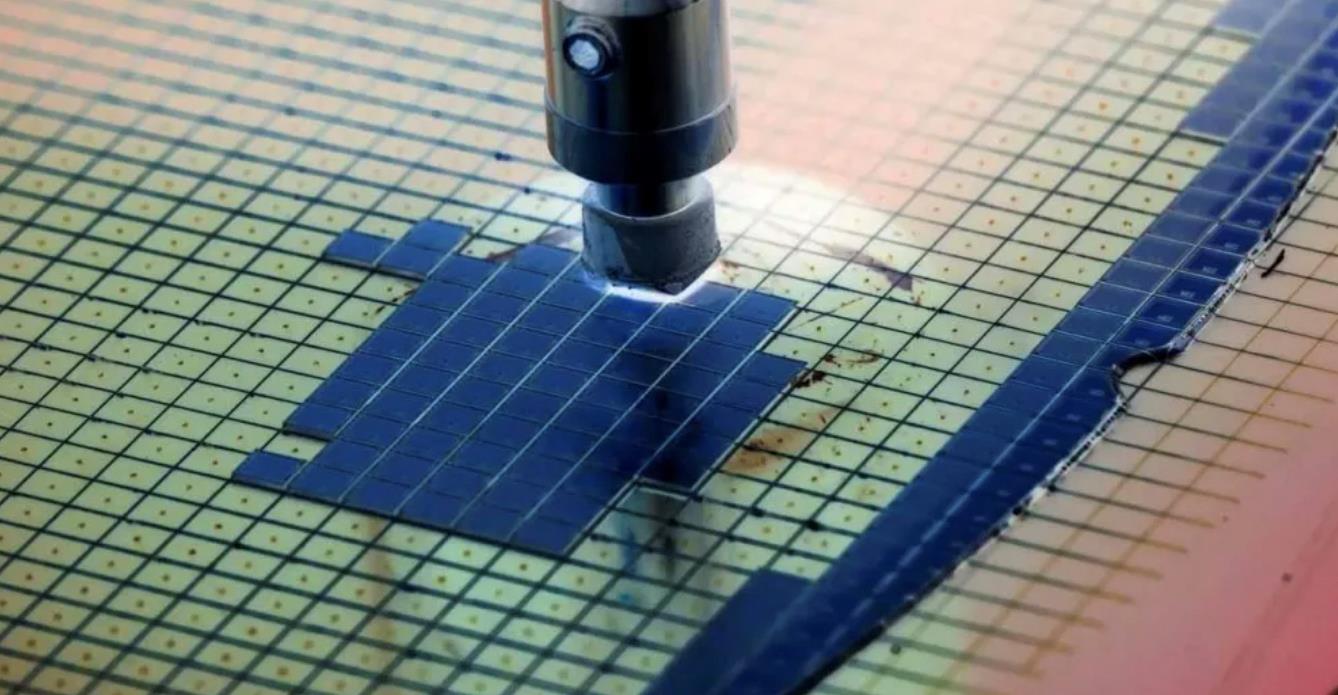
The US is urging lithography tool-makers to stop selling to China. Image: Facebook
Third, they restrict Americans with specialist skills from working with Chinese entities, limiting knowledge transfer.
Fourth, the US controls extraterritoriality to all advanced chip manufacturers outside the US. These manufacturers are all US allies, and if they do not comply with the controls they will lose access to essential US equipment.
Eroding China's research base
In August, the US passed the which included a US$50 billion investment in America's domestic semiconductor industry.
Combined with the new controls, this amounts to what has “a new US policy of actively strangling large segments of the Chinese technology industry – strangling with an intent to kill.” The implications of this are far-reaching.
The of the new US controls is to limit China's ability“to both purchase and manufacture certain high-end chips used in military applications.”
However, high-end chips are used for both military and civilian purposes. These controls will also curtail all Chinese research that depends on advanced computing.
As American international affairs scholar :
This policy is not just about maintaining US tech supremacy. It has the potential to degrade Chinese research across every discipline.
Can China innovate its way out?
It is unclear how immediate an impact the new controls will have. There has long been speculation that , and China will no doubt try to work around the controls.
The new US measures will inject fresh momentum into existing Chinese efforts to achieve semiconductor self-sufficiency, but this is no easy task.
Manufacturing semiconductors is incomprehensibly complex. It requires facilities so clean they and equipment so precise its calibration is . The more high-end the chip, the more intricate the manufacturing process.
Some argue China will not be able to produce advanced semiconductors without US equipment and expertise. I'll leave that debate to the technical experts, but China's ability to innovate should not be underestimated.
China's coming response
To date, the direct official response from China has been muted: comparatively mild rebukes from the that the US seeks only to“maintain its sci-tech hegemony” and“wantonly block and hobble Chinese enterprises.”
More importantly, and aside from steps to address supply, the question of China's broader response demands close consideration.
The world is already experiencing , particularly of the kind of less sophisticated chips produced in China. China also of the rare earth elements that are essential to most high-tech components.
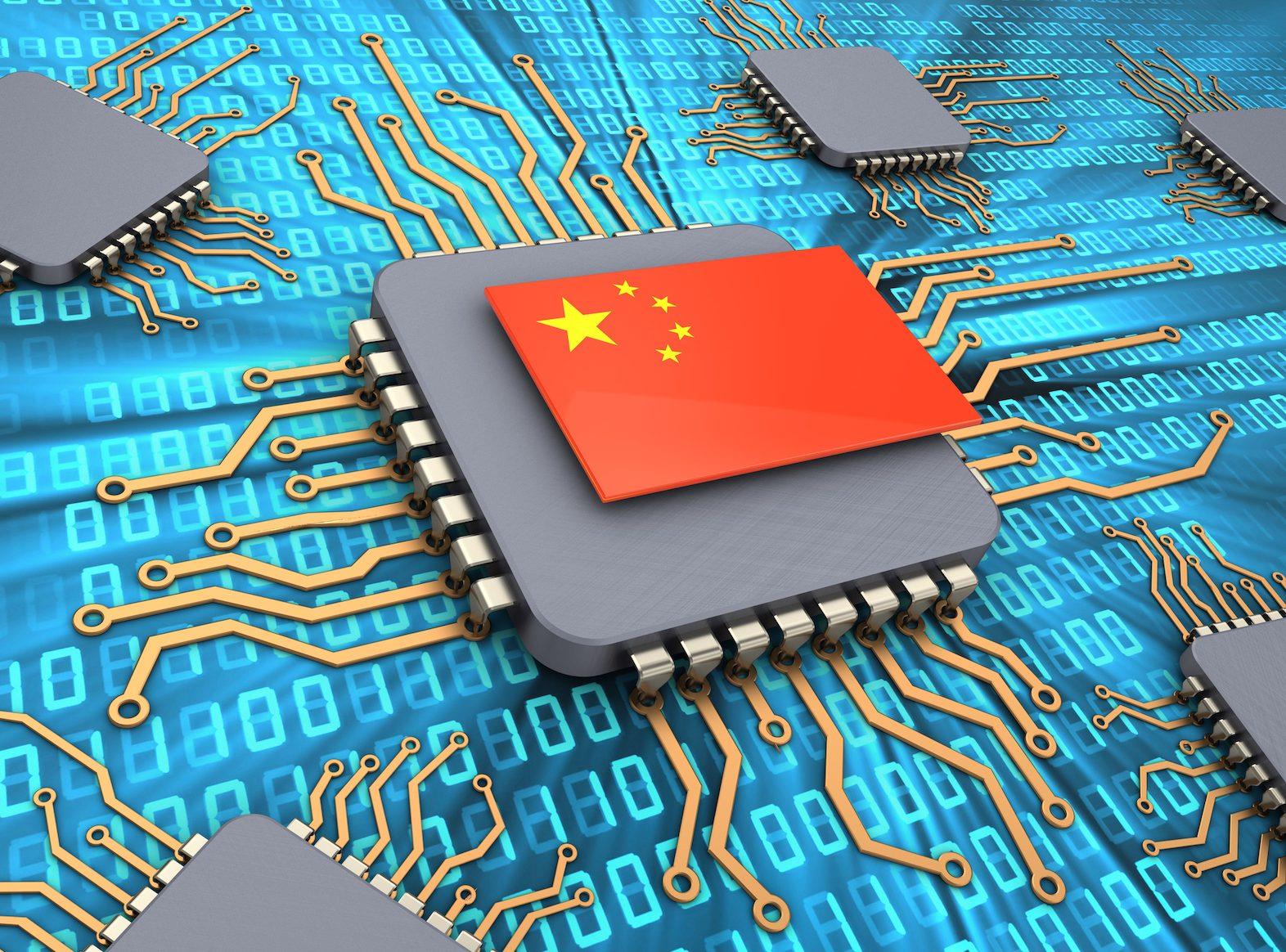
China is looking inward to counter US bans on chip making equipment. Image: iStock
China could seek to interrupt the supply of either or both of these, but that would be an response. It would also likely damage China as much as the US.
In a speech to the Communist Party Congress a week after the US controls were announced, China's , his country's goal to“join the ranks of the world's most innovative countries, with great self-reliance and strength in science and technology” within five years.
The controls announced by the Biden administration directly undermine Xi's ambition for China. They seek to maintain US tech supremacy, while simultaneously eroding China's ability to conduct fundamental research. Given this, a significant escalatory response from China should not be unexpected.
US-China decoupling
In an age when militaries, economies and our daily lives depend on technology it is astounding how many people continue to tune out when technology – and the policies that shape it – are discussed. If there ever was a time to tune in, it is now.
For several years, leaders and commentators the world over have speculated about the possibility of the US“” from China: reducing economic and technological entanglement with the rising Asian power.
Debates on the feasibility of economic decoupling will continue. However, historians will pinpoint Biden's decision on October 7, 2022, as the moment at which US and Chinese technology decoupling became inevitable.
The US has now played its hand. The most consequential question remains: what will China do next?
is Director of the Tech Policy Design Center,
This article is republished from under a Creative Commons license. Read the .















Comments
No comment