





403
Sorry!!
Error! We're sorry, but the page you were looking for doesn't exist.
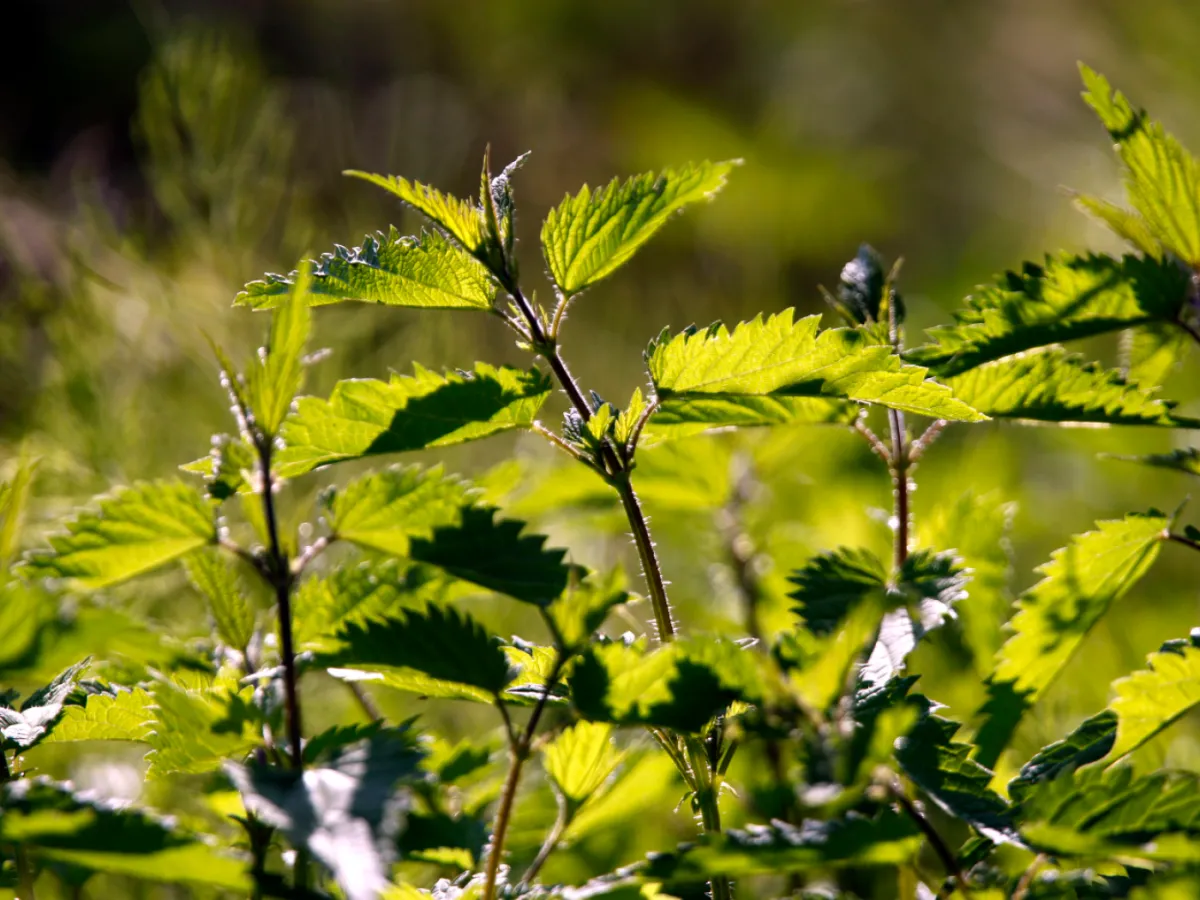
Stinging Nettles Replace Orchids In Europe: Swiss Study
Alternative Headline:
(MENAFN- Swissinfo)
Over-fertilisation and exhaust fumes are changing Europe's forests and meadows. A long-term Swiss study shows that nitrogen-loving plants such as stinging nettles are displacing rarer species such as orchids.
Select your language
-
Deutsch
de
Wie sich Europas Pflanzenwelt in 60 Jahren verändert hat
Original
Read more: Wie sich Europas Pflanzenwelt in 60 Jahren veränder
The living conditions for plants in Europe have undergone major changes in recent decades. However, the Swiss National Science Foundation (SNSF) says that until now there has been no comprehensive overview of the effect this has had on biodiversity.
+ Biodiversity loss in Switzerland in six graphs
To create this overview, a European research team involving the Zurich University of Applied Sciences (ZHAW) analysed around 650,000 data records from the years 1960 to 2020. The data comes from a large European database.
The most striking trend identified by the researchers was an increase in nitrogen-loving plants in all habitats analysed. This was caused by inputs from artificial fertilisers, livestock farming and nitrogen oxides from traffic and industry.
Climate change has little impactThis development is displacing plants that favour poor soils, such as orchids. In Switzerland, however, this trend is declining slightly, according to ecologist Jürgen Dengler.“It seems that regional measures such as the reduction of artificial fertilisers are having an effect here. But there is no sign of this across Europe,” says the ZHAW researcher, who got funding from the SNSF for the study.
The researchers also found an increase in shade-loving species in meadows. They attribute this to denser vegetation due to nutrient inputs or a lack of cultivation. In contrast, the effect of global warming was unexpectedly small.
According to the researchers, the effects of climate change on the plant world were unexpectedly small. According to Dengler, vegetation reacts much more slowly to higher temperatures than predicted.
The Swiss mountains were an exception. There, warmth-loving species from the lowlands have already spread to higher altitudes.
The results were published in the journal Science Advances.
More Debate Hosted by: Zeno Zoccatelli What animals and plants do you no longer see where you live? What can be done?What are you doing in your own small way to prevent the disappearance of fauna and flora?
Join the discuss Dec 1, 2022 25 Comments View the discuAdapted from German by AI/mga

Legal Disclaimer:
MENAFN provides the
information “as is” without warranty of any kind. We do not accept
any responsibility or liability for the accuracy, content, images,
videos, licenses, completeness, legality, or reliability of the information
contained in this article. If you have any complaints or copyright
issues related to this article, kindly contact the provider above.
Most popular stories
Market Research

More Story







Comments
No comment