

403
Sorry!!
Error! We're sorry, but the page you were looking for doesn't exist.
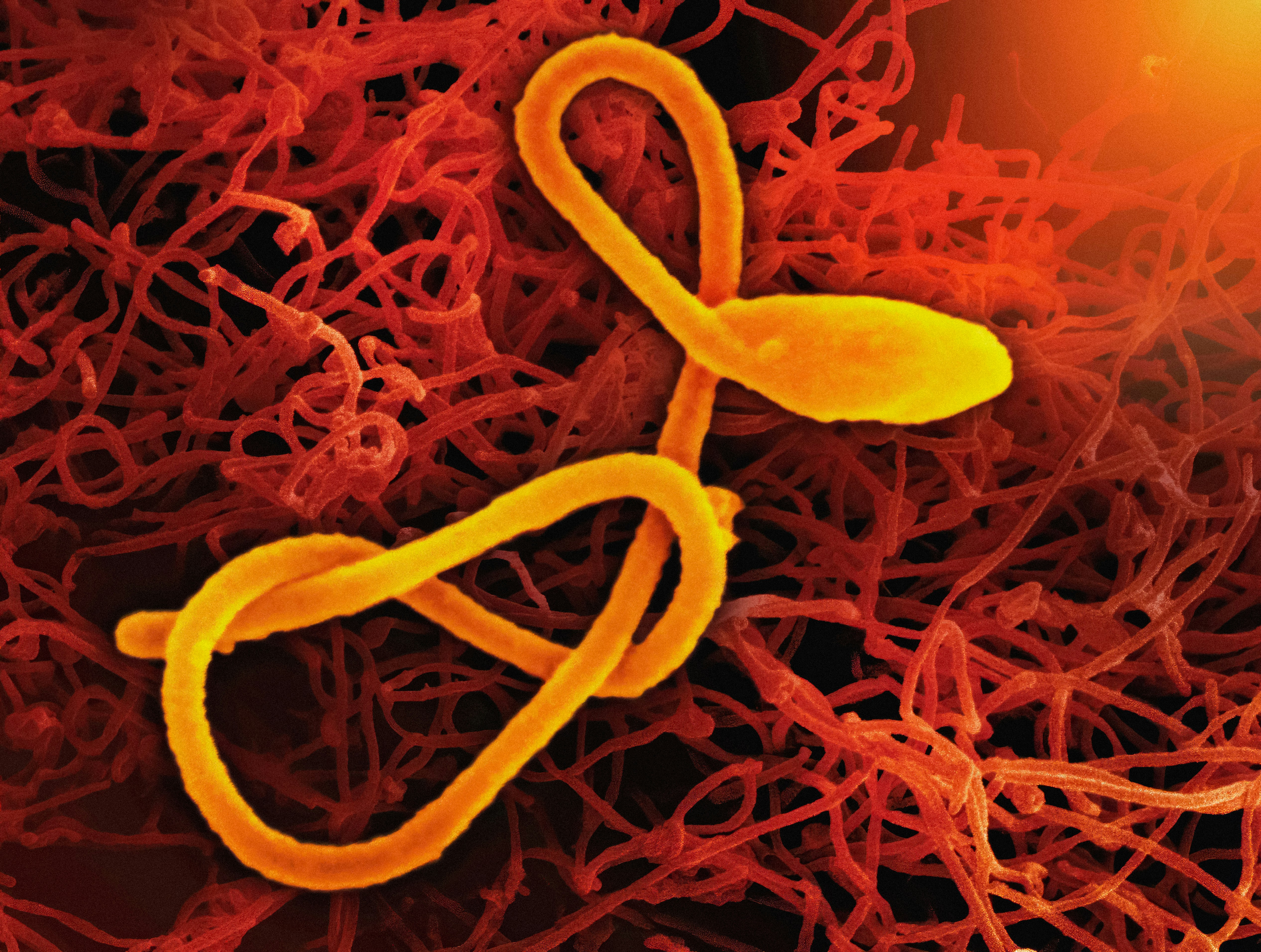
DRC Ebola Outbreak Tops 500 Cases with 91 Fatalities


(MENAFN) The Ebola epidemic ravaging the eastern Democratic Republic of the Congo (DR Congo) has crossed a grim milestone, surpassing 500 confirmed infections, according to the latest figures published by the National Institute of Public Health.
As of Sunday, authorities had logged 515 confirmed cases and 91 fatalities spanning the provinces of Ituri, North Kivu, and South Kivu, pushing the overall case fatality rate to 17.7 percent. More than half of all patients remain in isolation or under hospital care, while just 12 individuals have officially been declared recovered.
The epidemic is overwhelmingly concentrated in Ituri province, which accounts for 487 of the 515 confirmed cases — nearly 95 percent of the national total.
Authorities attributed the outbreak's persistence to a toxic combination of armed insecurity, mass population displacement, and unchecked cross-border movement. DR Congo formally declared the epidemic on May 15 — the country's 17th recorded Ebola outbreak since the virus was first identified on its soil in 1976. The World Health Organization (WHO) subsequently classified the Bundibugyo strain detected in DR Congo and neighboring Uganda as a public health emergency of international concern. Critically, no approved vaccine currently exists for this strain.
The full scale of the crisis had been obscured by a severe testing backlog. The Africa Centers for Disease Control and Prevention (Africa CDC) reported Friday that a queue of more than 1,100 suspected cases had been whittled down to 116 by June 3, with confirmed infection counts climbing to 397 as the accumulated samples were processed. The agency also confirmed 16 cases and one death in Uganda.
The international response is beginning to take shape. The WHO and Africa CDC unveiled a joint $518 million emergency preparedness and response plan for the continent, with WHO Director-General Tedros Adhanom Ghebreyesus announcing the initiative on Friday. The program targets emergency coordination, disease surveillance, laboratory testing, infection prevention, patient care, community outreach, and logistical support across affected regions.
"This plan is designed for the period from June to November of this year," Tedros said.
Africa CDC Director-General Jean Kaseya framed the initiative as a continental turning point, saying the joint project "gives the continent a clear path to act with speed and unity to save lives, support the affected countries, and protect neighboring communities."
Beyond the outbreak's immediate epicenter, the regional ripple effects are already being felt. Mauritius has moved to impose temporary entry restrictions on travelers arriving from DR Congo, Uganda, and South Sudan, with returning residents required to undergo a 21-day quarantine period upon arrival.
As of Sunday, authorities had logged 515 confirmed cases and 91 fatalities spanning the provinces of Ituri, North Kivu, and South Kivu, pushing the overall case fatality rate to 17.7 percent. More than half of all patients remain in isolation or under hospital care, while just 12 individuals have officially been declared recovered.
The epidemic is overwhelmingly concentrated in Ituri province, which accounts for 487 of the 515 confirmed cases — nearly 95 percent of the national total.
Authorities attributed the outbreak's persistence to a toxic combination of armed insecurity, mass population displacement, and unchecked cross-border movement. DR Congo formally declared the epidemic on May 15 — the country's 17th recorded Ebola outbreak since the virus was first identified on its soil in 1976. The World Health Organization (WHO) subsequently classified the Bundibugyo strain detected in DR Congo and neighboring Uganda as a public health emergency of international concern. Critically, no approved vaccine currently exists for this strain.
The full scale of the crisis had been obscured by a severe testing backlog. The Africa Centers for Disease Control and Prevention (Africa CDC) reported Friday that a queue of more than 1,100 suspected cases had been whittled down to 116 by June 3, with confirmed infection counts climbing to 397 as the accumulated samples were processed. The agency also confirmed 16 cases and one death in Uganda.
The international response is beginning to take shape. The WHO and Africa CDC unveiled a joint $518 million emergency preparedness and response plan for the continent, with WHO Director-General Tedros Adhanom Ghebreyesus announcing the initiative on Friday. The program targets emergency coordination, disease surveillance, laboratory testing, infection prevention, patient care, community outreach, and logistical support across affected regions.
"This plan is designed for the period from June to November of this year," Tedros said.
Africa CDC Director-General Jean Kaseya framed the initiative as a continental turning point, saying the joint project "gives the continent a clear path to act with speed and unity to save lives, support the affected countries, and protect neighboring communities."
Beyond the outbreak's immediate epicenter, the regional ripple effects are already being felt. Mauritius has moved to impose temporary entry restrictions on travelers arriving from DR Congo, Uganda, and South Sudan, with returning residents required to undergo a 21-day quarantine period upon arrival.

Legal Disclaimer:
MENAFN provides the
information “as is” without warranty of any kind. We do not accept any
responsibility or liability for the accuracy, content, images, videos,
licenses, completeness, legality, or reliability of the information
contained in this article. If you have any complaints or copyright issues
related to this article, kindly contact the provider above.
Comments
No comment