



403
Sorry!!
Error! We're sorry, but the page you were looking for doesn't exist.
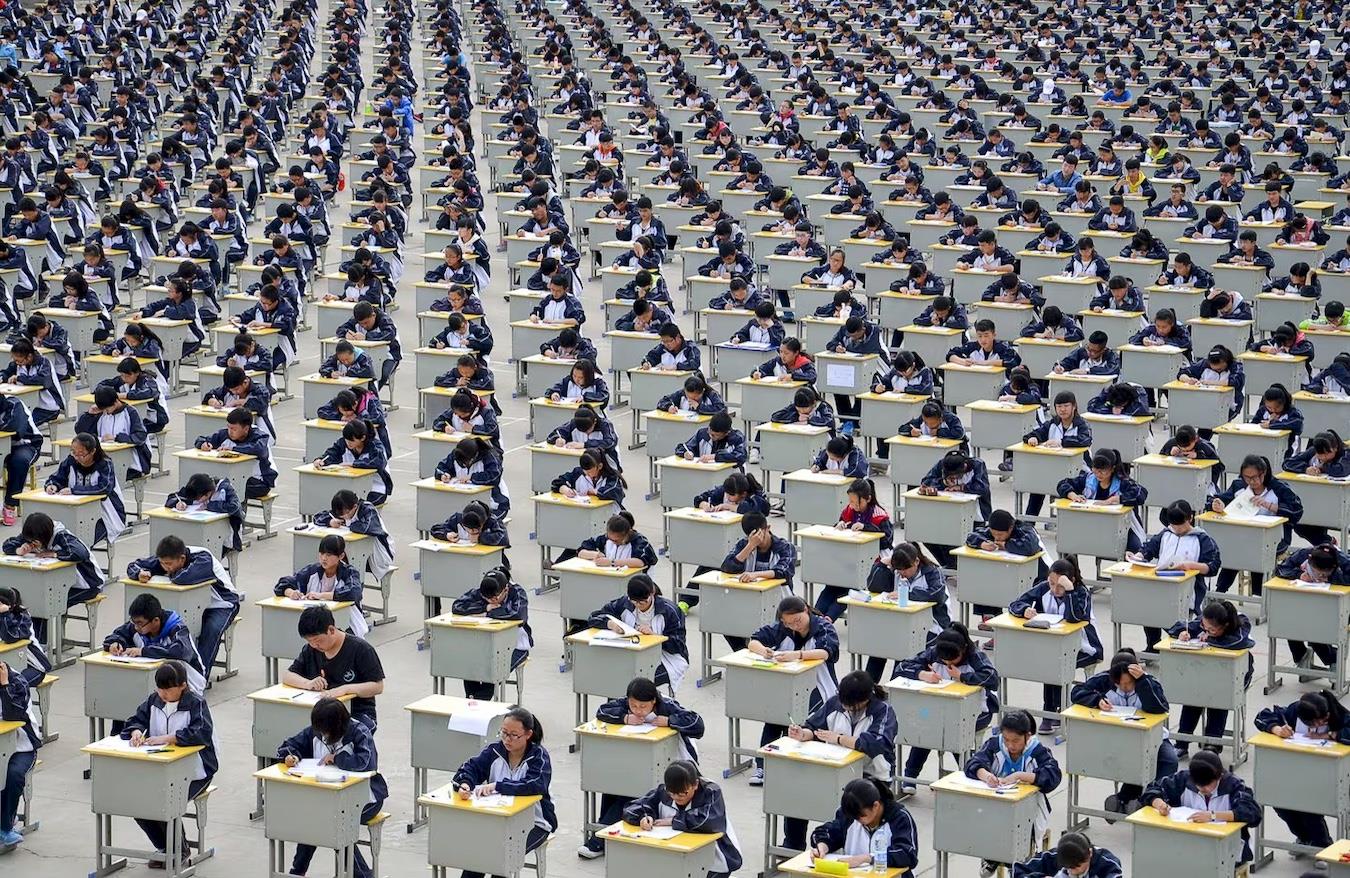
Two Nations, Two Exams, One AI Reckoning
(MENAFN- Asia Times)
This week, while families gathered outside examination halls across China, some in red qipao for luck, 12.9 million students sat for the gaokao, the world's largest annual standardized test.
On the other side of the Pacific, American higher education is moving in the opposite direction. Roughly 90% of ranked four-year US colleges no longer require the SAT or ACT.
Two of the world's largest education systems are heading in opposite directions on the same question: how do you fairly measure a young mind? Increasingly, artificial intelligence is rewriting the answer.
China has doubled down on the single high-stakes exam. The gaokao remains, in the words of one researcher, a pillar of educational equity and social stability, even as Beijing reframes it from pure exam-based selection toward broader evaluation.
It is also being wired to national priorities. This year's reforms added new majors in fields such as embodied intelligence, rare-earth science and the low-altitude economy, steering test-takers toward strategic workforce gaps.
The United States took the opposite turn. After dropping test requirements during the pandemic, it is now having second thoughts. Yale, MIT and Dartmouth have reinstated testing.
This spring, more than 1,000 University of California (UC) faculty urged the system to restore at least a math requirement, citing preparation gaps so severe that instructors must reteach middle-school mathematics.

Legal Disclaimer:
MENAFN provides the
information “as is” without warranty of any kind. We do not accept
any responsibility or liability for the accuracy, content, images,
videos, licenses, completeness, legality, or reliability of the information
contained in this article. If you have any complaints or copyright
issues related to this article, kindly contact the provider above.
Most popular stories
Market Research

More Story






Comments
No comment