




403
Sorry!!
Error! We're sorry, but the page you were looking for doesn't exist.
Trump's Tariffs Are Back And The Timing Couldn't Be Worse For Asia
(MENAFN- Asia Times)
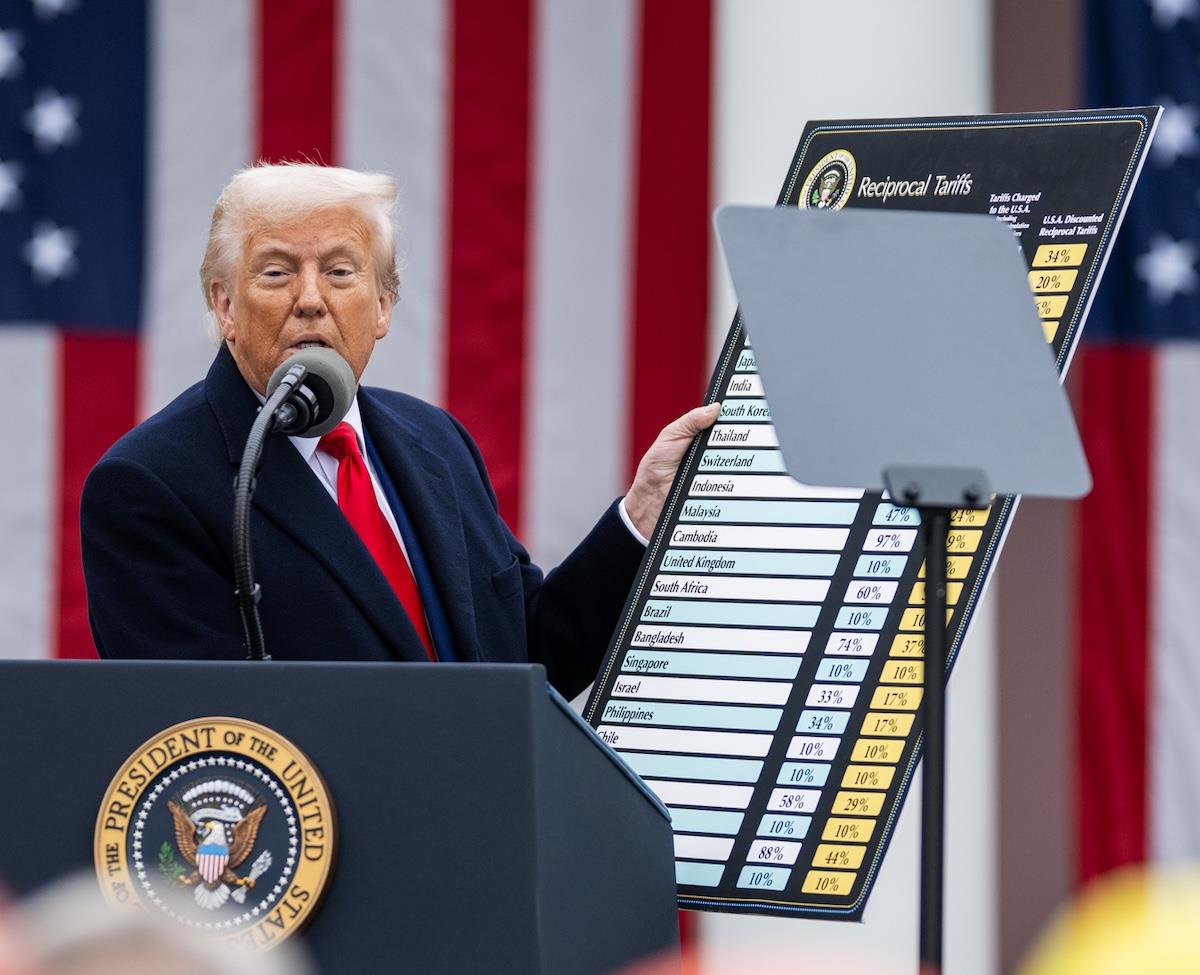
TOKYO - Like a horror film villain everyone thought was dead, Donald Trump's tariffs are suddenly back - and the timing couldn't be more unsettling for Asia's embattled economies.
Despite the US Supreme Court striking down his“Liberation Day” tariffs, Trump has wasted no time reloading. He's imposed fresh levies of at least 10% on 60 countries, sweeping up China, India, Japan, South Korea, Taiwan and the European Union in one broad stroke.
The stated rationale: punishing nations that his trade team accuses of using forced labor, or of importing from countries that do. China is the marquee target - its Xinjiang province is home to state-run forced labor factories at a scale the world can't ignore.
But the timing couldn't be worse. From Japan to India to Indonesia, Asian economies are already buckling under the twin shocks of the Iran war and its economic fallout - oil stubbornly near $100 a barrel, fertilizer costs spiraling, inflation gnawing at whatever growth remained.
Now throw US import taxes into the mix. The Supreme Court setback clearly hasn't neutralized Trump's trade agenda, as Nick Marro of the Economist Intelligence Unit puts it: the tariffs are coming back, just through a different door.
This is Trump trying to resurrect the import levies struck down as unconstitutional last year - and a signal that his decades-long fixation with“reindustrializing” America behind towering tariff walls is winning out over the more immediate political pressure to keep everyday goods affordable.
The legal vehicle this time is Section 301 of the Trade Act of 1974, invoked through fresh investigations by the Trump administration. Other statutes - some decades old, some older still - are reportedly under exploration too. The message is clear: this is not the end of it.
“Investors should be prepared for headline risk of rising tariffs across these countries,” notes economist Henrietta Treyz at advisory Veda Partners.
John Denton, secretary-general at International Chamber of Commerce, notes that“applying a single investigatory framework across 60 economies, including longstanding US allies and parties to existing bilateral trade agreements, will create significant compliance uncertainty for businesses operating in global supply chains.”
The tariffs arrive on top of another deepening crisis: a currency rout sweeping the region. Since the US and Israel attacked Iran on February 28, Asian currencies have been in free fall. As the dollar surges and inflation runs hot globally, the Japanese yen, Indonesian rupiah, Indian rupee and Philippine peso are all under severe strain.
Tokyo is feeling it most acutely. Japan's Ministry of Finance and the Bank of Japan are mounting their most aggressive defense of the yen since 1991.
On June 3, Prime Minister Sanae Takaichi issued a pointed warning: authorities are prepared to intervene.“Speculative trading that is not based on real demand is having a big impact on the currency market,” she said.

Legal Disclaimer:
MENAFN provides the
information “as is” without warranty of any kind. We do not accept
any responsibility or liability for the accuracy, content, images,
videos, licenses, completeness, legality, or reliability of the information
contained in this article. If you have any complaints or copyright
issues related to this article, kindly contact the provider above.
Most popular stories
Market Research

More Story








Comments
No comment