




403
Sorry!!
Error! We're sorry, but the page you were looking for doesn't exist.
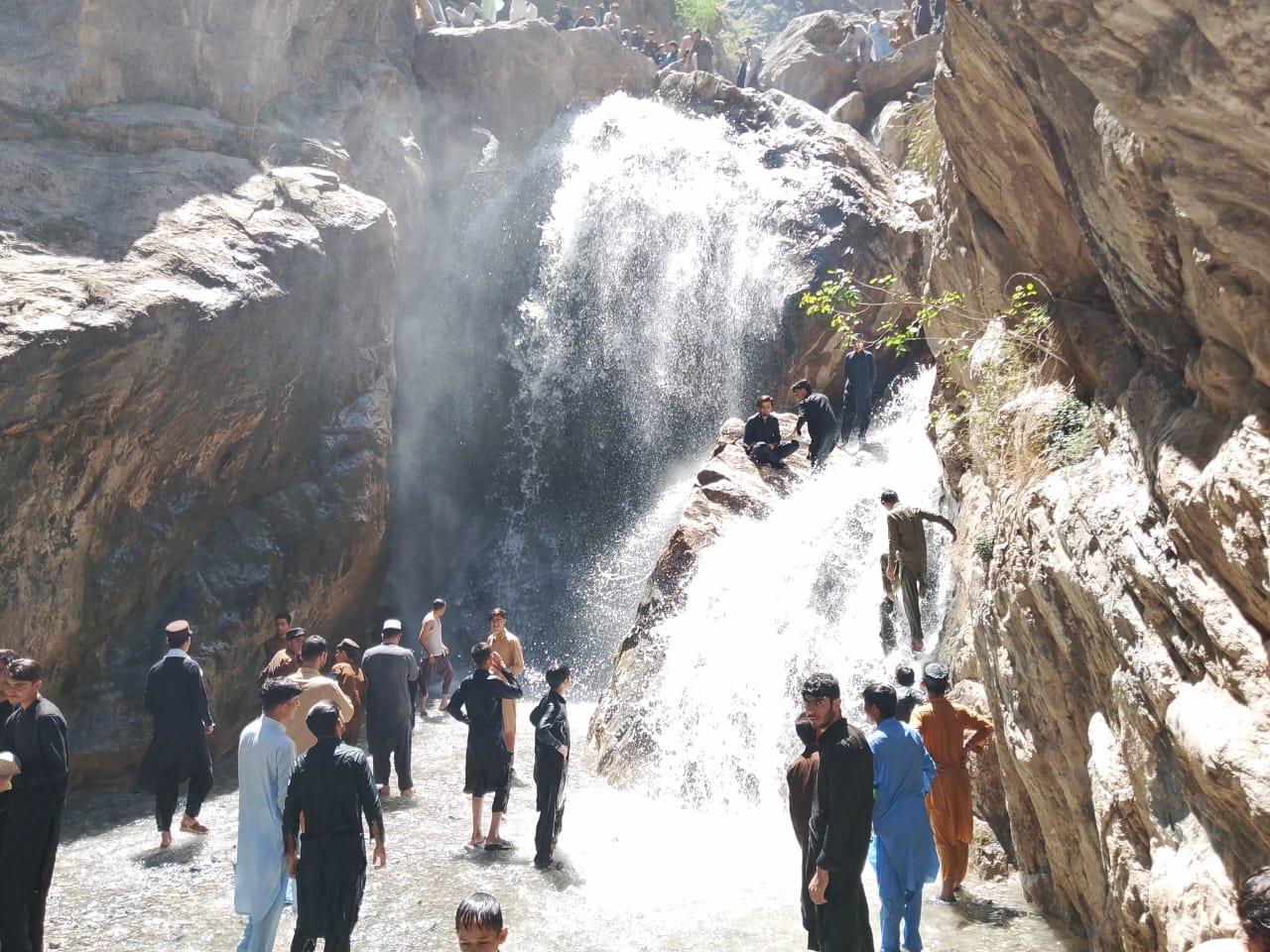
A New Tourism Frontier: KP's Tribal Districts Capture Visitors' Attention
(MENAFN- Tribal News Network) By Zalan Khan AfridiDuring the Eid
- Adha holidays, tourist destinations across Khyber Pakhtunkhwa witnessed an extraordinary influx of visitors, with more than 1.1 million tourists traveling to different parts of the province.
While Swat, Naran, Kaghan, and Galiyat remained the most popular destinations, nearly 400,000 tourists also visited the merged tribal districts, highlighting the growing potential of these areas as emerging tourism hubs.
The picturesque valleys, towering mountains, natural springs, and rich cultural heritage of North and South Waziristan possess immense potential to secure a prominent place on Pakistan's tourism map.
Following improvements in the law and order situation in recent years, interest in these regions has steadily increased. This trend was clearly reflected during the Eid holidays, as large numbers of tourists explored these destinations.
The arrival of more than 100,000 tourists in South Waziristan alone demonstrates the public's growing interest in these areas. With better facilities and infrastructure, this number could rise significantly in the future.
In District Khyber, Jamrud and Landi Kotal are also becoming increasingly popular among tourists. Hundreds of visitors travel daily from Peshawar and other areas by car and motorcycle to explore these locations.
Jamrud's Ali Masjid, known for its natural spring water, local hospitality, and scenic environment, attracts many visitors. In Landi Kotal, Murad Khan Bagh, AC Ghat, and the historic Michni Post remained major attractions. However, limited access to some sites due to various reasons created difficulties for tourists, highlighting the need for greater attention and improvement.
The growing trend of tourism in Khyber Pakhtunkhwa once again demonstrates that the province is not only known for its traditional tourist destinations but is also becoming an attractive destination because of the merged tribal districts' beautiful valleys, majestic mountains, natural springs, and unique cultural heritage.
If the government and relevant institutions focus seriously on developing these areas, they could emerge among Pakistan's leading tourist destinations in the future.
Also Read: Killed for Saying No: Charsadda Case Underscores Persistent Threat to Women
The tribal districts are rich in natural beauty, lush green valleys, towering mountains, freshwater springs, and distinctive cultural traditions. Tirah Valley in District Khyber, with its pleasant climate, dense forests, and green meadows, is particularly appealing to tourists.
Areas such as Rajgal, Maidan, Shalobar, Mastura, and Sepah are considered masterpieces of natural beauty. However, sustainable peace, improved infrastructure, and the provision of basic facilities are essential to further develop these destinations and make them more attractive to visitors.
In District Kurram, Parachinar, Pewar, Shalozan, Zeran, Spina Shaga, and the snow-capped peaks of Koh-e-Sufaid rival some of Pakistan's most famous northern tourist destinations in terms of natural beauty.
Similarly, Samana, Kalaya, Mushti Mela, and other mountainous regions of District Orakzai offer breathtaking landscapes. Bajaur, Mohmand, and various parts of Waziristan also possess enormous tourism potential that can be promoted nationally through effective planning, proper marketing, and improved facilities.
To boost tourism, it is essential for the provincial government to effectively promote tourist attractions in the tribal districts, improve road connectivity, establish quality accommodation and recreational facilities, and further strengthen security arrangements.
With focused attention in these areas, millions more tourists could be attracted, providing a significant boost to the local economy.
Protecting natural springs and water resources while developing small lakes, picnic spots, and recreational facilities can enhance the beauty of these regions and create new employment and business opportunities for local communities.
The growth of tourism can also stimulate economic activity in sectors such as hospitality, transportation, handicrafts, and local commerce.
The tribal society has long been known for its traditions of hospitality, respect, and honor. Local communities should continue to welcome tourists warmly, treating them as guests and showing patience and understanding if visitors unintentionally make minor mistakes. Such hospitality helps tourists leave with positive memories and experiences.
Tourism is not merely a source of recreation; it is also a powerful tool for strengthening local economies, creating employment opportunities, and promoting a positive image of a region.
The need of the hour is to showcase the natural treasures, cultural heritage, and tourist attractions of the tribal districts at both national and international levels so that these areas can emerge alongside Swat, Naran, Kaghan, and Galiyat as some of Pakistan's most prominent tourist destinations.

Legal Disclaimer:
MENAFN provides the
information “as is” without warranty of any kind. We do not accept
any responsibility or liability for the accuracy, content, images,
videos, licenses, completeness, legality, or reliability of the information
contained in this article. If you have any complaints or copyright
issues related to this article, kindly contact the provider above.
Most popular stories
Market Research

More Story




Comments
No comment