




403
Sorry!!
Error! We're sorry, but the page you were looking for doesn't exist.
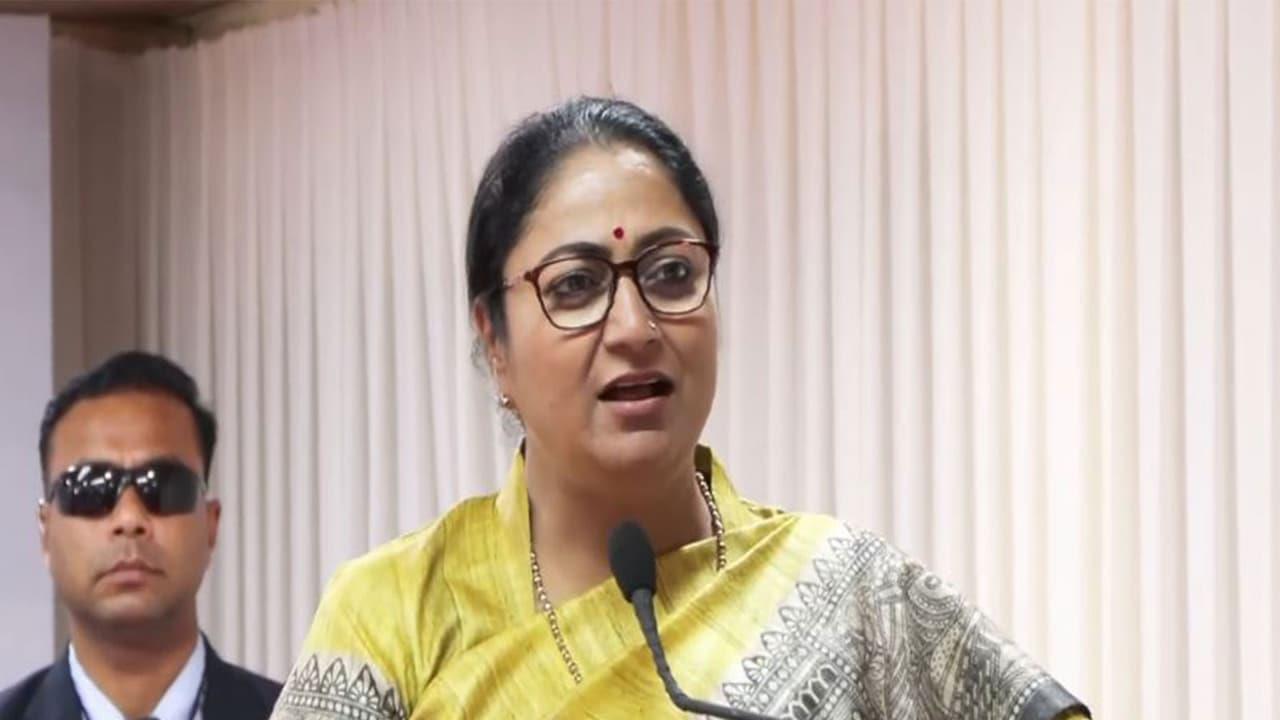
Delhi Water Crisis: Govt On War Footing For Relief, Says CM Gupta
(MENAFN- AsiaNet News)
Delhi Chief Minister Rekha Gupta said that the Delhi government is working on a war footing to deliver adequate drinking water to every citizen of the capital. The government is paying equal attention to immediate relief measures as well as long-term solutions so that the water crisis situation can be permanently controlled in the future.
According to the chief minister's office, to tackle the water-related challenges arising due to the scorching heat, an assurance has been given by Haryana to maintain a minimum of 1000 cusecs of water supply through the Munak Canal, and efforts are being made to provide relief to the people through more than 980 tankers and over 6,000 daily trips.
Regarding this issue, the Chief Minister on Saturday conducted a detailed review of the drinking water challenges and water supply situation arising in the capital through video conferencing from the Chief Minister Seva Sadan. After the meeting, the Chief Minister informed that due to the water availability being affected near Wazirabad in the Yamuna, pressure has been built on the supply. In this regard, she spoke to the Chief Minister of Haryana, Nayab Singh Saini, as a result of which the Haryana Government has assured to maintain a minimum of 1,000 cusecs of water supply to Delhi through the Munak Canal.
The Chief Minister said that protecting the interests of Delhi and ensuring drinking water availability are among the highest priorities of the government.
Immediate Measures to Tackle Water Shortage
The Chief Minister was informed that to deal with the current situation, more than 980 water tankers of the Delhi Jal Board are operating over 6,000 trips daily. Small tankers have also been deployed to ensure water supply in densely populated areas and narrow lanes. Additionally, by establishing additional borewells in the Yamuna Khadar area, water production capacity has been increased by 10.5 MGD per day.
The Chief Minister directed the officials to take immediate action, considering every incident of water leakage seriously. She said that every single drop of water is precious and any kind of wastage will not be acceptable. The Chief Minister also directed that Delhi Jal Board officials should personally monitor the complaints received daily and, if necessary, go to the field themselves to verify the situation.
CM Gupta said, "11,055 complaints were received on the Delhi Jal Board helpline in the last week, out of which more than 8,500 complaints have been resolved. The Chief Minister directed the quick redressal of the remaining complaints as well."
According to the chief minister's office, CM Gupta also directed the officials that an adequate number of water tankers should be made available regularly in all the affected areas of the capital, and their trips should be increased as per the requirement.
Long-Term Solutions for Water Security
The Chief Minister directed the officials that, along with short-term measures to deal with the current circumstances, work on long-term water management plans should also be done at an equal pace, so that future requirements can also be effectively met along with immediate relief. Under this, a study on the feasibility of bringing water through a pipeline from Haryana is being conducted, so that water loss and leakage can be reduced. In this regard, a feasibility study is being conducted by IIT Roorkee.
In addition to this, work is also being done on schemes such as dredging and de-silting work in the Yamuna near Wazirabad, the establishment of new water treatment plants, and the development of additional borewells in the Yamuna Khadar area. The Chief Minister said that the Delhi government is working with full commitment to provide adequate and clean drinking water to the citizens. Along with dealing with the current challenges, the plans being made keeping in mind the future needs will further strengthen the water security of the capital.
The Chief Minister also directed that a dual water supply system should be implemented in a phased manner to ensure the use of treated water obtained from sewage treatment plants (STPs) for horticulture, vehicle washing and other non-potable works. Emphasising the need to make water conservation a public movement, the Chief Minister directed the Delhi Jal Board to run a massive public awareness campaign. The Chief Minister also directed the Delhi Jal Board to promote the judicious use of water and to run a comprehensive public awareness campaign for this. She said that a permanent solution to the water crisis is possible not only by increasing the supply but also through the judicious use and conservation of water.
The Chief Minister informed that rainwater harvesting structures are being developed in 75 CM Shri schools. Apart from this, work on the plan for the construction of 500 new water harvesting structures and the revival of 1,000 old structures has started, and the tender process for this has also been initiated. (ANI)
(Except for the headline, this story has not been edited by Asianet Newsable English staff and is published from a syndicated feed.)
Legal Disclaimer:
MENAFN provides the
information “as is” without warranty of any kind. We do not accept
any responsibility or liability for the accuracy, content, images,
videos, licenses, completeness, legality, or reliability of the information
contained in this article. If you have any complaints or copyright
issues related to this article, kindly contact the provider above.
Most popular stories
Market Research

More Story





Comments
No comment