




403
Sorry!!
Error! We're sorry, but the page you were looking for doesn't exist.
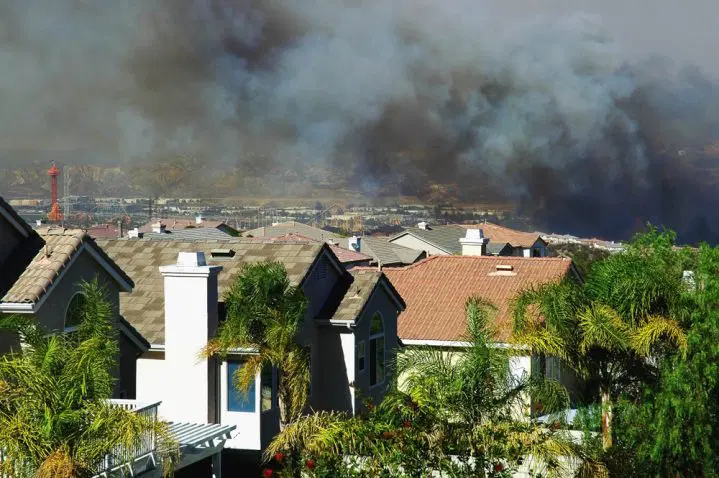
8 Home Improvements That Could Lower Your Insurance Rates Before Wildfire Season
(MENAFN- Everybody Loves Your Money) Wildfires are terrifying, but a few home improvements can protect your insurance rates from rising – Shutterstock
Wildfire season keeps creeping earlier each year, and homeowners feel the pressure rising right along with it. Insurance companies now pay close attention to how well a home can stand up to heat, embers, and wind-driven flames. Small upgrades often make a big difference in both safety and insurance pricing.
Smart improvements can also boost property value while reducing long-term risk. These eight upgrades show how practical changes can protect a home and potentially ease insurance costs.
1. Fire-Resistant Roofing Materials That Raise Protection FastFire-resistant roofing materials can dramatically reduce wildfire vulnerability at the very top of a home. Asphalt shingles often fall short during ember storms, while metal and Class A fire-rated roofs perform far better. Insurance companies notice these upgrades because roofs take the first hit during wildfires. Homeowners often see lower premiums after switching to materials designed to resist ignition. This upgrade also extends roof lifespan, which adds another financial advantage.
2. Ember-Resistant Vents That Block Hidden Fire Entry PointsEmbers often travel miles ahead of flames and slip through standard attic vents with ease. Ember-resistant vents use fine mesh and flame-resistant materials to block those tiny fire starters. Insurance providers value this protection because many homes ignite from inside the attic. Homeowners reduce risk significantly by upgrading vents before fire season peaks. This small change creates a strong defensive barrier without major construction work.
3. Defensible Space Landscaping That Slows Fire SpreadDefensible space landscaping creates a buffer zone that slows or even stops wildfire movement toward a home. Removing dry brush, trimming trees, and spacing vegetation properly all reduce fuel for flames. Insurance companies often require this type of maintenance in high-risk regions. Rock beds and fire-resistant plants replace flammable grass and shrubs for stronger protection. A well-designed yard can turn a vulnerable property into a far more resilient one.
4. Fire-Resistant Siding That Strengthens Exterior WallsFire-resistant siding materials like fiber cement and stucco help protect a home's exterior from direct heat exposure. Vinyl siding melts quickly under high temperatures, which increases fire spread risk. Insurance carriers often reward homes that use non-combustible materials on outer walls. Homeowners gain both durability and improved safety during wildfire events. This upgrade also improves curb appeal while reinforcing structural defense.
5. Double-Pane Tempered Windows That Resist Heat and BreakageWindows often fail under extreme wildfire heat, allowing flames and embers to enter a home. Double-pane tempered glass reduces that risk by adding strength and heat resistance. Insurance companies recognize this upgrade as a key protective feature in fire-prone areas. Homeowners also benefit from improved insulation and lower energy bills throughout the year. Stronger windows protect both the interior and the structural integrity of the home.
6. Gutter Guards and Clean Roof Systems That Reduce Fuel LoadDry leaves and pine needles often collect in gutters and turn into hidden fire fuel. Gutter guards block debris buildup and reduce ignition risk during ember storms. Insurance providers view clean roof systems as a sign of responsible home maintenance. Regular cleaning combined with protective covers keeps roofs safer during high-risk seasons. This simple upgrade prevents one of the most overlooked fire hazards around a home.
7. Exterior Sprinkler Systems That Cool Vulnerable AreasExterior sprinkler systems help keep roofs, walls, and surrounding vegetation damp during wildfire threats. These systems activate manually or automatically depending on setup and risk level. Insurance companies often consider them a strong mitigation tool in fire-prone zones. Homeowners use them to create a temporary moisture barrier around their property. Proper installation and maintenance ensure reliable performance when conditions turn dangerous.
8. Smart Fire Detection Systems That React Faster Than Smoke AloneSmart fire detection systems identify heat, smoke, and air quality changes faster than traditional alarms. Many systems connect to mobile apps that send instant alerts during emergencies. Insurance providers value early detection because it reduces total loss severity. Homeowners gain precious response time that can save both property and lives. Advanced monitoring systems also integrate with emergency services for faster action.
Fire-Smart Upgrades That Help Cut Insurance Costs Before Wildfire Season ArrivesThese upgrades work together to create a layered defense system that protects homes from multiple wildfire risks. Insurance companies reward layered protection because it lowers the chance of total loss. Homeowners who combine roofing, vents, landscaping, and detection systems build stronger overall resilience. Each improvement reduces exposure while strengthening long-term financial stability. Smart planning before wildfire season turns risk into readiness and savings potential.
What upgrade feels like the most practical first step for wildfire protection at home, and what challenges might stand in the way?

Legal Disclaimer:
MENAFN provides the
information “as is” without warranty of any kind. We do not accept
any responsibility or liability for the accuracy, content, images,
videos, licenses, completeness, legality, or reliability of the information
contained in this article. If you have any complaints or copyright
issues related to this article, kindly contact the provider above.
Most popular stories
Market Research

More Story








Comments
No comment