



403
Sorry!!
Error! We're sorry, but the page you were looking for doesn't exist.
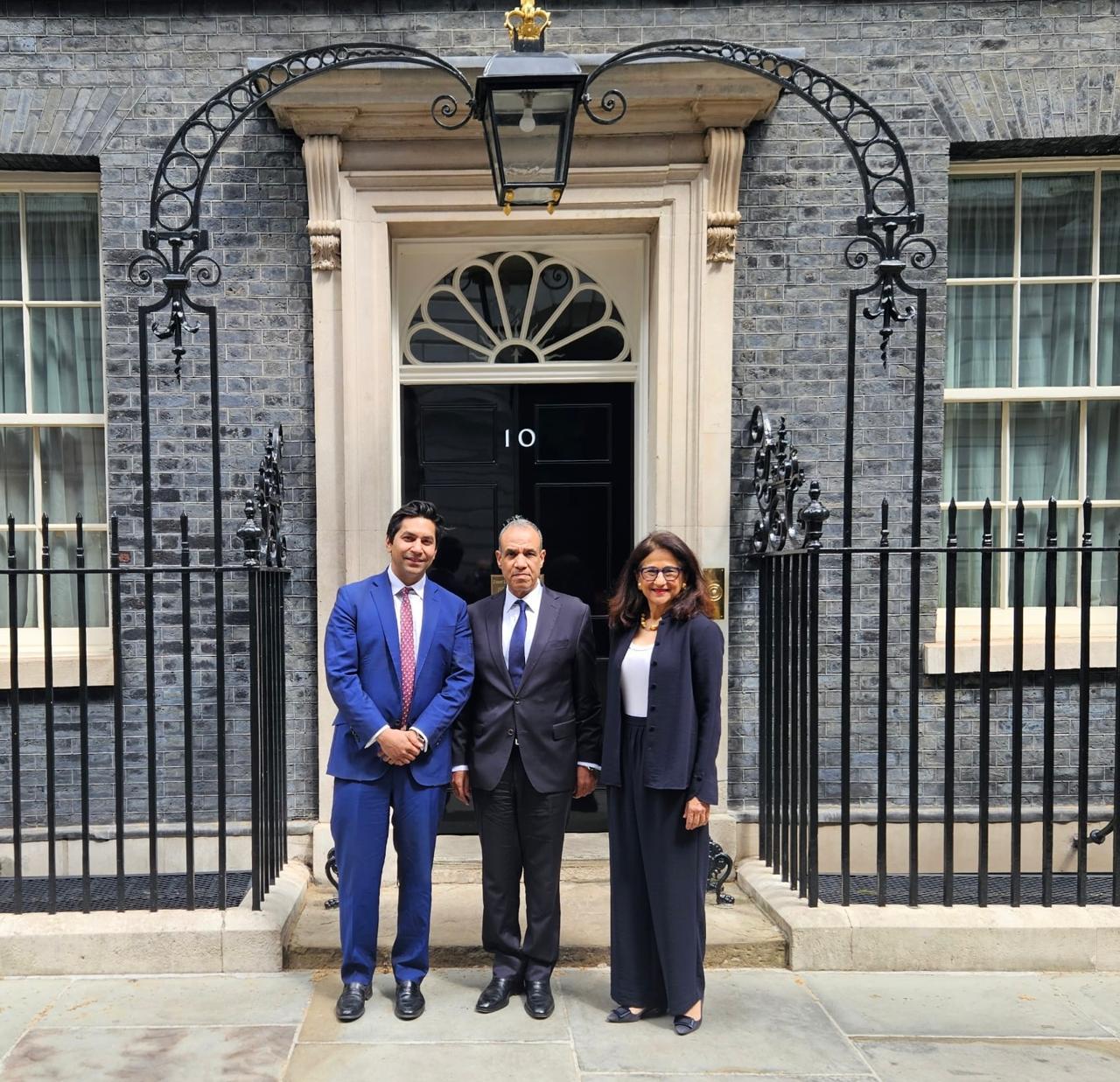
Egyptian Foreign Minister Seeks UK Investment, Urges Middle East Diplomacy During London Visit
(MENAFN- Daily News Egypt) Egyptian Foreign Minister Badr Abdelatty used a visit to London on Wednesday to pitch the Egyptian market to British investors and advocate for diplomatic solutions to the Middle East crisis, warning that military escalation threatens global supply chains.
During meetings with Varun Chandra and Minouche Shafik, economic, trade, and investment advisers to the British prime minister, Abdelatty highlighted Egypt's macro-economic reforms, its“Industry 2030 Strategy”, and a“State Ownership Policy” aimed at empowering the private sector and stabilising the foreign exchange market.
The foreign minister also met with chairmen, chief executives, and representatives of UK investment funds, urging them to capitalise on Egypt's free trade agreements and opportunities in the Suez Canal Economic Zone. He pointed to the government's“Golden Licence” programme, which is designed to fast-track strategic projects, as a tool for companies seeking access to Middle Eastern and African markets.
British business representatives expressed interest in exploring new cooperation opportunities and expanding their investments, acknowledging improvements in Egypt's investment climate.
In a separate meeting with the House of Commons Foreign Affairs Committee, chaired by Emily Thornberry, Abdelatty discussed the upcoming formation of an Egyptian-British friendship group in the Egyptian parliament. Foreign Ministry spokesman Tamim Khalaf stated that Abdelatty expressed a desire for the Speaker of the House of Commons and committee members to visit Egypt to enhance bilateral coordination on both economic investments and ongoing regional challenges.
Addressing broader geopolitical issues during a panel at the Royal Institute of International Affairs (Chatham House), Abdelatty cautioned that regional escalation threatens international shipping and energy markets. He stressed that military solutions will only deepen crises, stating that Cairo is working with regional and international partners to support a US-Iranian negotiation track.
Abdelatty noted that recent visits by President Abdel Fattah el-Sisi to Gulf nations underscored that Gulf security is an integral part of Egypt's national security, whilst rejecting any violations of Arab states' sovereignty. He reaffirmed Cairo's support for national state institutions and political solutions to conflicts in Sudan, Libya, Yemen, Syria, and Lebanon, adding that an independent Palestinian state based on the June 4, 1967 borders, with East Jerusalem as its capital, remains the core of regional stability.

Legal Disclaimer:
MENAFN provides the
information “as is” without warranty of any kind. We do not accept
any responsibility or liability for the accuracy, content, images,
videos, licenses, completeness, legality, or reliability of the information
contained in this article. If you have any complaints or copyright
issues related to this article, kindly contact the provider above.
Most popular stories
Market Research

More Story





Comments
No comment