

'We Were Supposed To Be There': Gazans Barred From Hajj Amid Israeli Restrictions


Makkah, in Saudi Arabia, is Islam's holiest city, and the Hajj is one of its Five Pillars, a mandatory duty for Muslims who are physically and financially able to undertake it at least once in their lifetime.
Recommended For You Can NRIs carry gold coins, bars duty-free from UAE after India hikes import duty?Before the war between Israel and Hamas erupted in 2023, at least 3,000 Gazan pilgrims made the Hajj every year. The signing of a ceasefire in October that halted major fighting raised Palestinian hopes for renewed travel but they have been dashed by continued heavy restrictions on movement.
Stay up to date with the latest news. Follow KT on WhatsApp Channels.
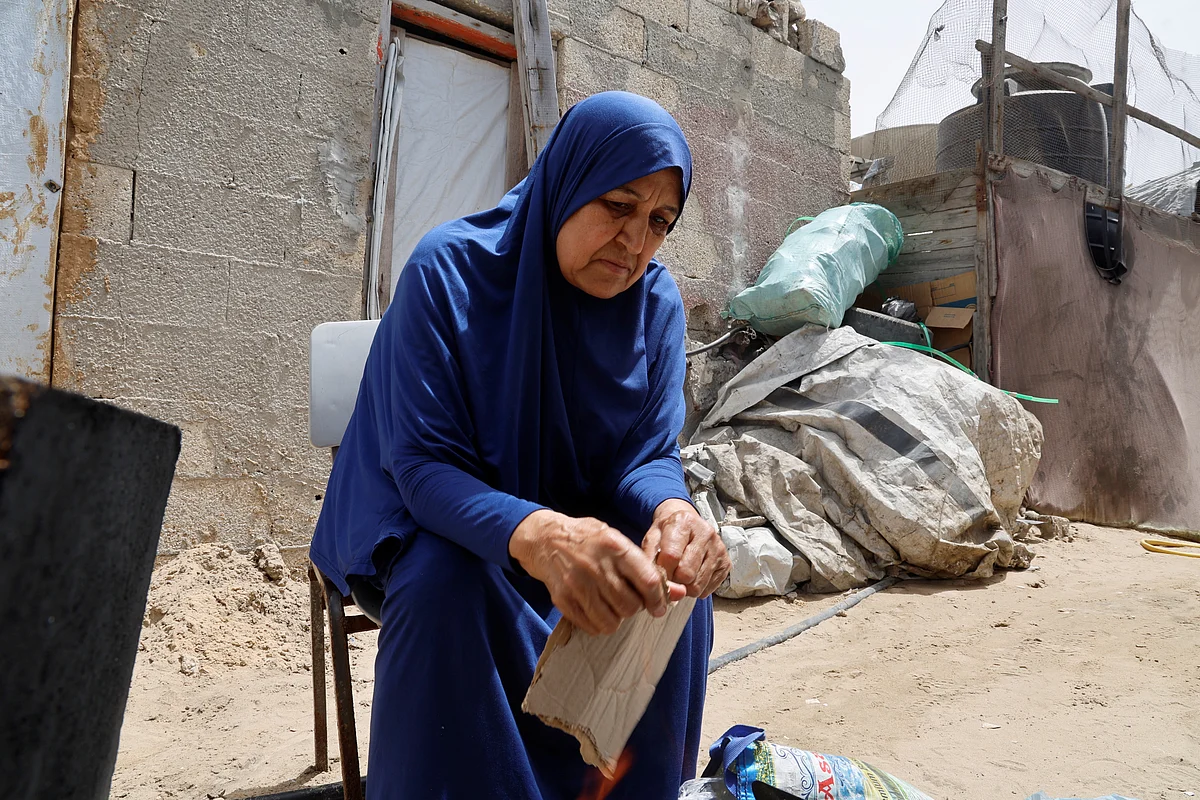
"We registered and our names got selected for the Hajj before the war. Then the war broke out here and it became a barrier...," said 64-year-old Abu Lehia, who now lives in a tent encampment in Khan Younis.
"I am worried I'll follow him (die) while I'm longing to perform the Hajj. But God willing, we hope to perform the Hajj despite the constraints, despite the siege," she told Reuters.
Under the US-brokered ceasefire, Israel in February allowed a partial reopening of the Rafah crossing to Egypt, Gaza's main gateway to the outside world.
However, only a few hundred people have been permitted to pass through each week, mostly the sick and a small number of escorts.
"The border crossing is closed. Why is this happening to pilgrims? They want to fulfill their Hajj obligation, they do not want to do anything else," Abu Lehia told Reuters.
"We were supposed to be there, we were supposed to be there in these holy days," she added as she watched footage of pilgrims in Makkah on her phone.
COGAT, the Israeli military agency overseeing access to Gaza, said the Rafah agreement allows passage only for humanitarian cases, with traveller lists determined by Egyptian authorities and approved by Israeli security services.
Gaza's Hamas-run government media office said only 5,304 people had travelled in and out of Gaza since February, less than a third of the numbers expected.
No sacrifices
Gazans will mark Eid al-Adha on May 27 without sacrificial animals for a third straight year due to Israeli restrictions, Gaza's agriculture ministry said.
Eid Al Adha, one of Islam's two main festivals, coincides with the Hajj and is marked by the slaughter of sheep or cattle, with meat shared among families and the poor.
The ministry said Israel's military campaign since October 2023 had led to the "systematic destruction of the livestock sector", with farms, barns, veterinary facilities and feed warehouses hit.
Before the war, Gaza imported 10,000 to 20,000 calves and 30,000 to 40,000 sheep annually for the Eid season.
COGAT says it facilitates imports of meat, poultry, eggs and dairy, with nearly 8,000 tons delivered in the past month, though no livestock.
Hamas said aid deliveries had dropped to around a quarter of what was expected so far in May, despite calls from United Nations officials for unhindered access for aid and goods.
COGAT rejected what it called misleading claims of a humanitarian crisis, saying around 600 aid trucks enter Gaza daily, most carrying food in line with UN requests.
ALSO READ- Gaza's Rafah crossing makes limited reopening after two-year war

Legal Disclaimer:
MENAFN provides the
information “as is” without warranty of any kind. We do not accept any
responsibility or liability for the accuracy, content, images, videos,
licenses, completeness, legality, or reliability of the information
contained in this article. If you have any complaints or copyright issues
related to this article, kindly contact the provider above.
Comments
No comment